THE ADVENTURE COLLECTIVE® · Independent discovery and booking for outdoor travel

See humpback whales in Samaná Bay during their winter migration, then unwind on Cayo Levantado’s white sand with a Dominican buffet. This full-day trip from Punta Cana blends guided wildlife viewing with beach time and local flavors.
See humpback whales in Samaná Bay during their winter migration, then unwind on Cayo Levantado’s white sand with a Dominican buffet. This full-day trip from Punta Cana blends guided wildlife viewing with beach time and local flavors.
A low, salt-slick breeze greets the boat as it eases out of Punta Cana’s harbor and threads toward the wide mouth of Samaná Bay. Within an hour the coastline opens, palms shrinking into a jagged green rim and the sea takes on the deep blue that humpback whales prefer. Guides scan the horizon; when a spout appears the boat shifts, engines softened, as the whales take center stage — rolling, breaching, and nudging the surface in the cold months of their migration.
Verified experiences and guided adventures in the surrounding area.
Operated by Adventures Finder · Samaná, Samaná Province
A low, salt-slick breeze greets the boat as it eases out of Punta Cana’s harbor and threads toward the wide mouth of Samaná Bay. Within an hour the coastline opens, palms shrinking into a jagged green rim and the sea takes on the deep blue that humpback whales prefer. Guides scan the horizon; when a spout appears the boat shifts, engines softened, as the whales take center stage — rolling, breaching, and nudging the surface in the cold months of their migration.
Samaná Bay has long been a seasonal highway for North Atlantic humpbacks, who return each winter to breed and calve in these warm Caribbean waters. Geologically the bay sits along the northeastern Dominican Shelf, a mix of limestone and coral outcrops that shelter shallow cays like Cayo Levantado — the famed “Bacardi Island” — which was popularized in tourism ads and local lore.
Culturally, the area blends Afro-Caribbean rhythms and Spanish colonial history; expect Dominican buffet staples on the sand and live music drifting from beach palms. Guides are certified in responsible wildlife viewing; local regulations limit how closely boats approach mothers and calves to reduce stress.
Practical guidance: travel time from Punta Cana can be long—plan a full nine-hour day, bring seasickness remedies, sunscreen, and binoculars. Respect the guides’ instructions during whale encounters and use reef-safe sunscreen while swimming around Cayo Levantado. Morning departures increase chances of calm seas and active whale behavior. Hydrate before boarding and carry a light dry bag for valuables — the day balances big wildlife moments with leisurely beach time, making it ideal for travelers who want both spectacle and relaxation.
Mid-January through late March is peak season for humpback sightings in Samaná Bay, with the highest likelihood of breaches and calf sightings.
The whale-watching segment lasts about two to two-and-a-half hours, embedded within a full-day (approximately 9-hour) tour including the island visit.
Basic beach facilities and shaded areas are available; more comprehensive showers may be limited—bring a quick-dry towel and a change of clothes in a dry bag.
The tour is family-friendly but is not recommended for pregnant travelers or those with serious back/heart conditions due to boat motion and extended day length.
Adventures Finder operates guided outdoor trips and adventures with an emphasis on safety, stewardship, and memorable experiences.
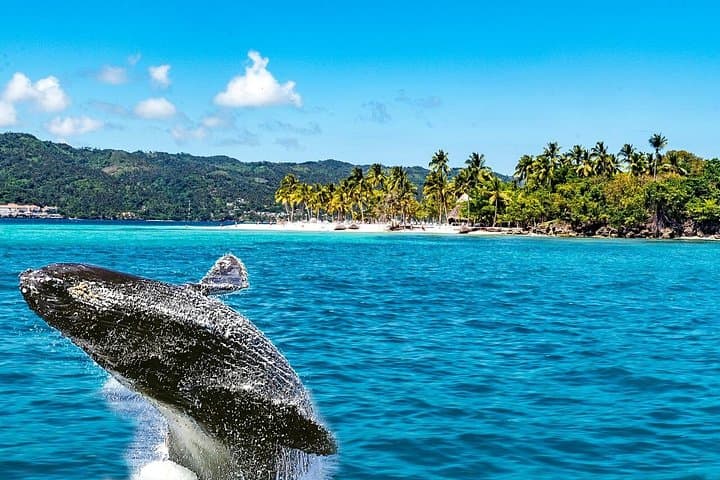
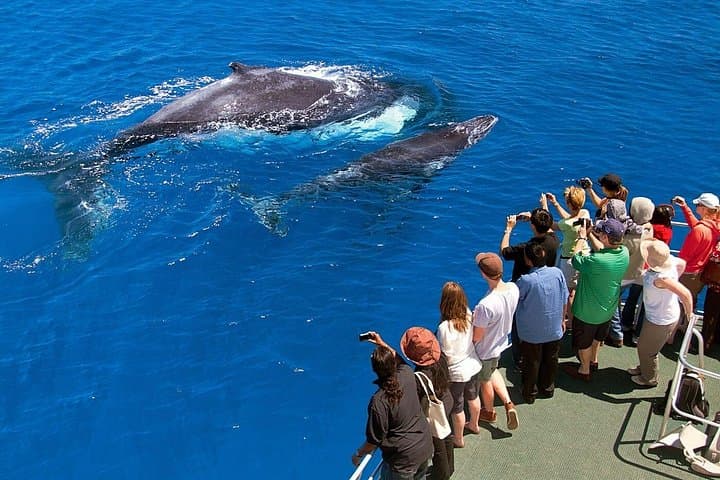
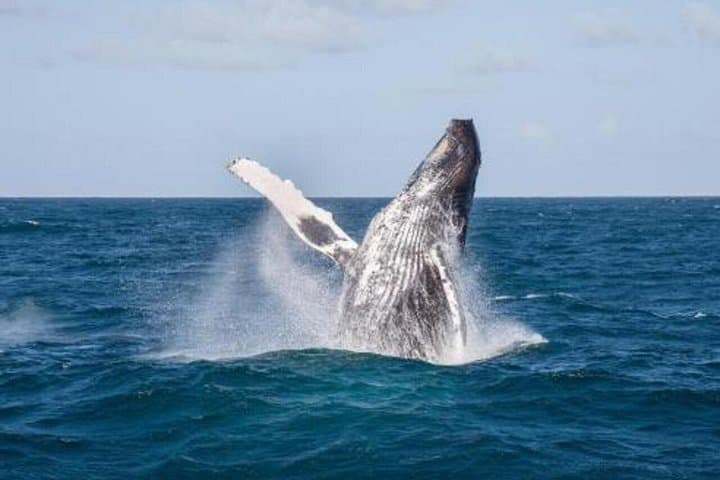

A low, salt-slick breeze greets the boat as it eases out of Punta Cana’s harbor and threads toward the wide mouth of Samaná Bay. Within an hour the coastline opens, palms shrinking into a jagged green rim and the sea takes on the deep blue that humpback whales prefer. Guides scan the horizon; when a spout appears the boat shifts, engines softened, as the whales take center stage — rolling, breaching, and nudging the surface in the cold months of their migration.
A low, salt-slick breeze greets the boat as it eases out of Punta Cana’s harbor and threads toward the wide mouth of Samaná Bay. Within an hour the coastline opens, palms shrinking into a jagged green rim and the sea takes on the deep blue that humpback whales prefer. Guides scan the horizon; when a spout appears the boat shifts, engines softened, as the whales take center stage — rolling, breaching, and nudging the surface in the cold months of their migration.
Samaná Bay has long been a seasonal highway for North Atlantic humpbacks, who return each winter to breed and calve in these warm Caribbean waters. Geologically the bay sits along the northeastern Dominican Shelf, a mix of limestone and coral outcrops that shelter shallow cays like Cayo Levantado — the famed “Bacardi Island” — which was popularized in tourism ads and local lore.
Culturally, the area blends Afro-Caribbean rhythms and Spanish colonial history; expect Dominican buffet staples on the sand and live music drifting from beach palms. Guides are certified in responsible wildlife viewing; local regulations limit how closely boats approach mothers and calves to reduce stress.
Practical guidance: travel time from Punta Cana can be long—plan a full nine-hour day, bring seasickness remedies, sunscreen, and binoculars. Respect the guides’ instructions during whale encounters and use reef-safe sunscreen while swimming around Cayo Levantado. Morning departures increase chances of calm seas and active whale behavior. Hydrate before boarding and carry a light dry bag for valuables — the day balances big wildlife moments with leisurely beach time, making it ideal for travelers who want both spectacle and relaxation.