THE ADVENTURE COLLECTIVE® · Independent discovery and booking for outdoor travel

A full-day rafting run about 120 km from Rio that threads 7 kilometers of Class II–III whitewater through preserved Atlantic Rainforest. Ideal for first-timers and mixed groups, with seasonal pushes to Class IV for stronger flows.
A full-day rafting run about 120 km from Rio that threads 7 kilometers of Class II–III whitewater through preserved Atlantic Rainforest. Ideal for first-timers and mixed groups, with seasonal pushes to Class IV for stronger flows.
The morning air carries the scent of wet leaves and earth as the van winds out of Rio, trading pavement for a ribbon of road that climbs toward the forested edges of the Atlantic Rainforest. By the time the river appears—narrow, dark, and urgent—your guide is already sizing the water, pointing to a set of rock-studded rapids that will test timing as much as will. The river dares you forward; the raft responds to rhythm and team strokes.
Verified experiences and guided adventures in the surrounding area.
Operated by Rio Natural Ecotourism · Rio de Janeiro, Rio de Janeiro
The morning air carries the scent of wet leaves and earth as the van winds out of Rio, trading pavement for a ribbon of road that climbs toward the forested edges of the Atlantic Rainforest. By the time the river appears—narrow, dark, and urgent—your guide is already sizing the water, pointing to a set of rock-studded rapids that will test timing as much as will. The river dares you forward; the raft responds to rhythm and team strokes.
This is a seven-kilometer whitewater section roughly 120 kilometers from central Rio. Most days the course runs Class II–III: playful waves, quick eddies, and a few technical moves that make this a perfect choice for first-timers and mixed-ability groups. Flow can pick up from May through September, when higher rains and runoff nudge some sections toward Class IV—an option for paddlers chasing a harder push with experienced guides.
Geology here is folded Brasilian Shield granite and schist, carved over millennia by water into steep banks and tight channels. Ecology is equally dramatic: high, green slopes of Atlantic Rainforest hang over the river, home to toucans, small monkeys, and a dense understory of bromeliads. Local communities historically used these waterways for transport and small-scale agriculture; today the river supports ecotourism that underwrites conservation of fragmented forest patches.
Practically, the trip is a full-day outing—about eight hours including pickup and return to Rio. Operators provide life jackets, helmets, paddles, and a briefing on technique and safety before launching. No prior experience is required, though you should be comfortable in moving water and able to follow guide commands. Dress in quick-drying layers, strap on sport shoes that won’t float off, and bring sunscreen, a small waterproof camera, and a water bottle.
Logistics are straightforward: shared pickup from major hotel zones in Rio, a two-hour transfer each way, and an optional lunch stop near the take-out. Guides manage group size to keep instruction clear—expect a raft crew of 6–8 plus a guide. The route is scenic as well as sporty: there are calm pools for a swim and riffled sections for bursts of adrenaline.
If you want more adrenaline, ask about seasonal runs when water levels rise; for a gentler day, choose off-peak months. Either way you leave wet, tired, and with a sharper appreciation for the forest that keeps the river alive.
No—this trip is designed for first-timers. Guides teach basic strokes and safety during a pre-launch briefing.
Age limits vary by operator but most allow children 10+ when accompanied by an adult; check at booking.
The run covers about 7 kilometers with predominantly Class II–III rapids; seasonal flows (May–September) can increase difficulty in places.
Yes—shared pickup and drop-off from major hotel zones in Rio are included in the price.
Bring swimwear, quick-dry clothes, secure shoes, sunscreen, a refillable water bottle, and a waterproof case for valuables.
No—meals are not included, though there’s usually an optional lunch stop where you can buy food.
Rio Natural Ecotourism operates guided outdoor trips and adventures with an emphasis on safety, stewardship, and memorable experiences.
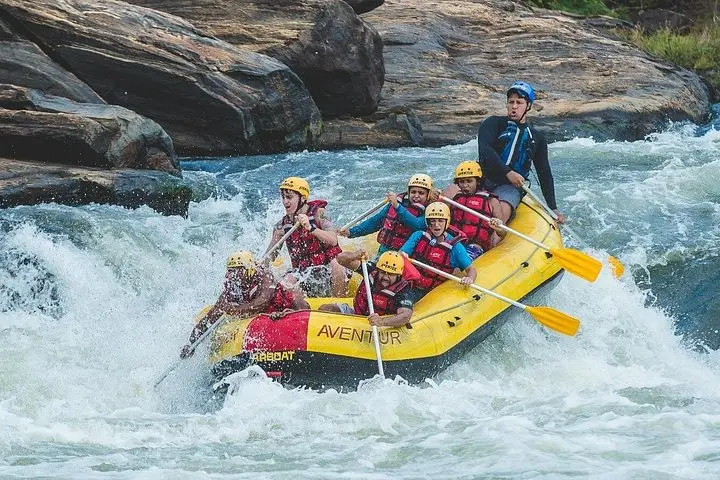
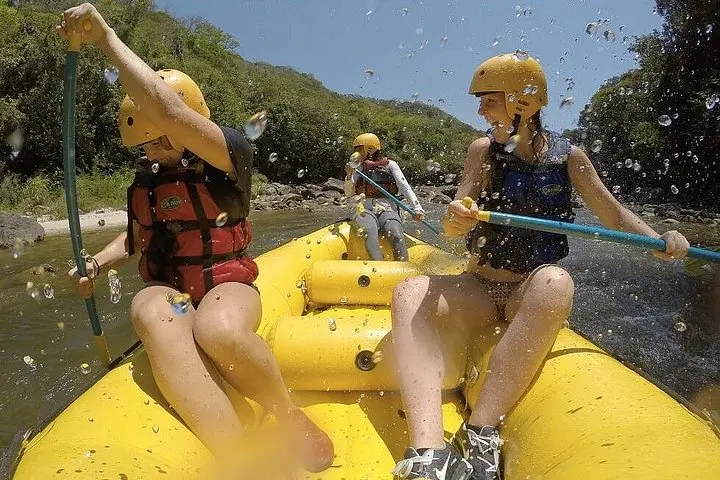
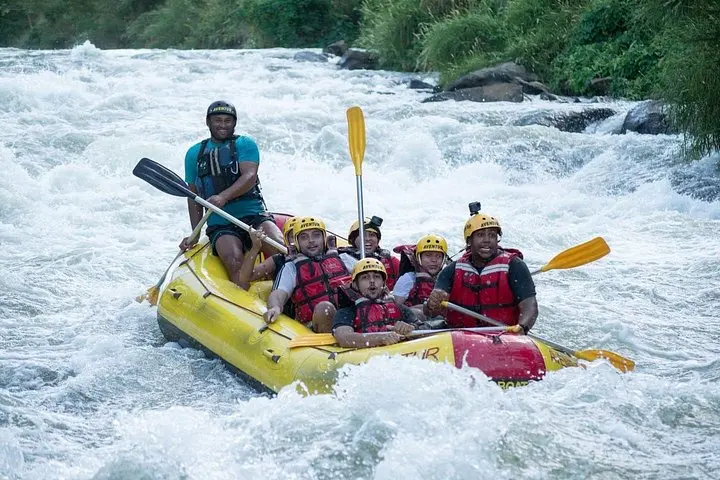
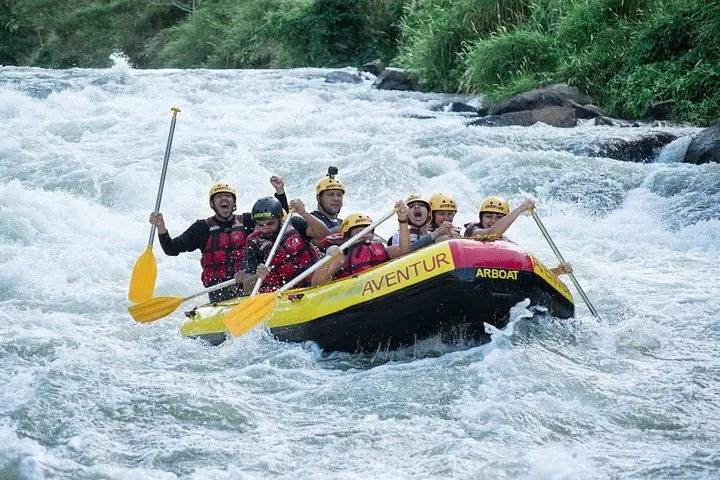
The morning air carries the scent of wet leaves and earth as the van winds out of Rio, trading pavement for a ribbon of road that climbs toward the forested edges of the Atlantic Rainforest. By the time the river appears—narrow, dark, and urgent—your guide is already sizing the water, pointing to a set of rock-studded rapids that will test timing as much as will. The river dares you forward; the raft responds to rhythm and team strokes.
The morning air carries the scent of wet leaves and earth as the van winds out of Rio, trading pavement for a ribbon of road that climbs toward the forested edges of the Atlantic Rainforest. By the time the river appears—narrow, dark, and urgent—your guide is already sizing the water, pointing to a set of rock-studded rapids that will test timing as much as will. The river dares you forward; the raft responds to rhythm and team strokes.
This is a seven-kilometer whitewater section roughly 120 kilometers from central Rio. Most days the course runs Class II–III: playful waves, quick eddies, and a few technical moves that make this a perfect choice for first-timers and mixed-ability groups. Flow can pick up from May through September, when higher rains and runoff nudge some sections toward Class IV—an option for paddlers chasing a harder push with experienced guides.
Geology here is folded Brasilian Shield granite and schist, carved over millennia by water into steep banks and tight channels. Ecology is equally dramatic: high, green slopes of Atlantic Rainforest hang over the river, home to toucans, small monkeys, and a dense understory of bromeliads. Local communities historically used these waterways for transport and small-scale agriculture; today the river supports ecotourism that underwrites conservation of fragmented forest patches.
Practically, the trip is a full-day outing—about eight hours including pickup and return to Rio. Operators provide life jackets, helmets, paddles, and a briefing on technique and safety before launching. No prior experience is required, though you should be comfortable in moving water and able to follow guide commands. Dress in quick-drying layers, strap on sport shoes that won’t float off, and bring sunscreen, a small waterproof camera, and a water bottle.
Logistics are straightforward: shared pickup from major hotel zones in Rio, a two-hour transfer each way, and an optional lunch stop near the take-out. Guides manage group size to keep instruction clear—expect a raft crew of 6–8 plus a guide. The route is scenic as well as sporty: there are calm pools for a swim and riffled sections for bursts of adrenaline.
If you want more adrenaline, ask about seasonal runs when water levels rise; for a gentler day, choose off-peak months. Either way you leave wet, tired, and with a sharper appreciation for the forest that keeps the river alive.