THE ADVENTURE COLLECTIVE® · Independent discovery and booking for outdoor travel

Spend a day at Jebel Zaghouan exploring the Temple des Eaux and the Roman aqueduct that once carried spring water to Carthage. This full-day excursion from Tunis blends short hikes, history, and a stroll through an Andalusian-influenced old quarter.
Spend a day at Jebel Zaghouan exploring the Temple des Eaux and the Roman aqueduct that once carried spring water to Carthage. This full-day excursion from Tunis blends short hikes, history, and a stroll through an Andalusian-influenced old quarter.
You step off the minivan and the air changes — cooler, mineral-scented, the sound of water where rock breaks open. Jebel Zaghouan rises above the plain, the ruined curve of the Temple des Eaux sitting like a practical guardian over a spring that once fed Carthage.
Verified experiences and guided adventures in the surrounding area.
Operated by Batouta Voyages · Zaghouan, Zaghouan Governorate
You step off the minivan and the air changes — cooler, mineral-scented, the sound of water where rock breaks open. Jebel Zaghouan rises above the plain, the ruined curve of the Temple des Eaux sitting like a practical guardian over a spring that once fed Carthage.
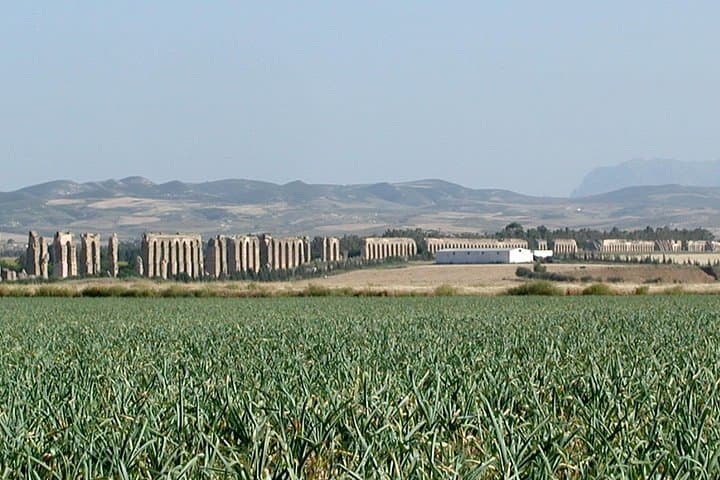
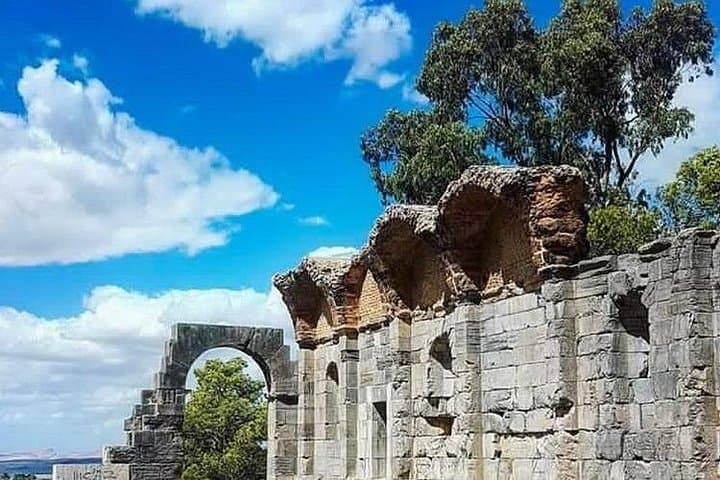
The route here is layered: Phoenician and Punic echoes meet Roman engineering. In the second century A.D., Roman aqueducts carried spring water from Zaghouan more than 75 miles to the cisterns of Carthage; the Temple des Eaux marks the point where water became ritual and infrastructure. Geologically, the massif is limestone folded into ridges and karst channels that force groundwater to the surface — the reason a temple and aqueduct were built here in the first place.
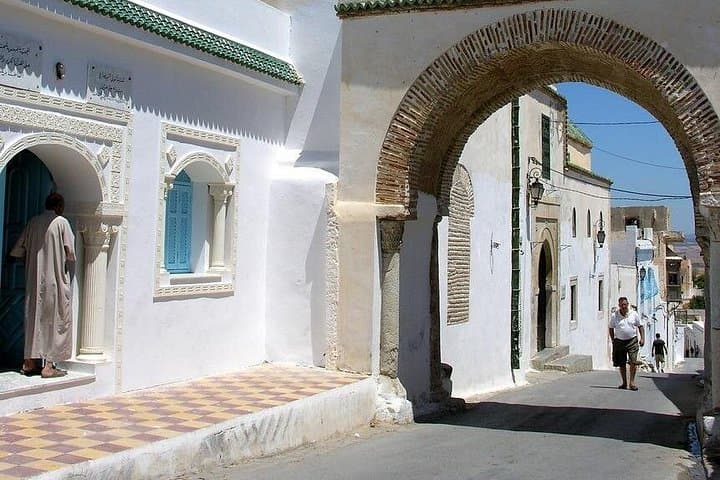
Zaghouan town offers a different tempo: narrow streets and Andalusian-influenced architecture, local cafés where mint tea and fresh bread anchor a midday break. Guides point out the Hamilcar battle site nearby and explain how the region swapped hands between Carthaginians, Romans and later Mediterranean cultures.
Practical notes: the day is a mix of short, uneven climbs and paved viewpoints; expect 200–300 meters of ascent on brief stretches and loose stone underfoot. Bring sun protection and at least 1.5 liters of water, and plan to eat lunch in town where local cuisine keeps you moving. Wear sturdy shoes with good grip; the spring complex can be slick.
Timing matters — mornings are cooler and clearer for views back toward the Gulf of Tunis. Treat the springs respectfully: stay on paths, pack out waste, and allow the place to keep flowing for the next visitors.
The full-day excursion runs about 8 hours including transport, site visits and lunch in Zaghouan.
Expect short uphill walks and uneven terrain — the tour is rated moderate and requires a basic level of fitness.
The tour includes lunch, guide services and transport; specific admission is covered as described in the booking inclusions.
Children may join but must be accompanied by an adult; the tour operator requires a minimum number of participants to run.
Batouta Voyages operates guided outdoor trips and adventures with an emphasis on safety, stewardship, and memorable experiences.
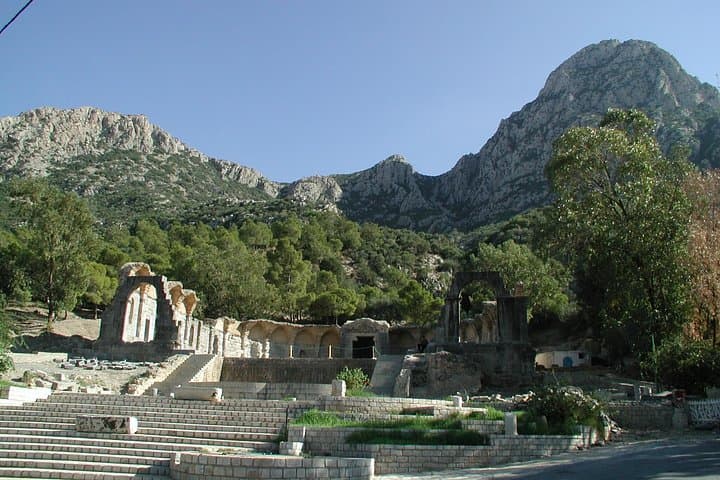
You step off the minivan and the air changes — cooler, mineral-scented, the sound of water where rock breaks open. Jebel Zaghouan rises above the plain, the ruined curve of the Temple des Eaux sitting like a practical guardian over a spring that once fed Carthage.
You step off the minivan and the air changes — cooler, mineral-scented, the sound of water where rock breaks open. Jebel Zaghouan rises above the plain, the ruined curve of the Temple des Eaux sitting like a practical guardian over a spring that once fed Carthage.
The route here is layered: Phoenician and Punic echoes meet Roman engineering. In the second century A.D., Roman aqueducts carried spring water from Zaghouan more than 75 miles to the cisterns of Carthage; the Temple des Eaux marks the point where water became ritual and infrastructure. Geologically, the massif is limestone folded into ridges and karst channels that force groundwater to the surface — the reason a temple and aqueduct were built here in the first place.
Zaghouan town offers a different tempo: narrow streets and Andalusian-influenced architecture, local cafés where mint tea and fresh bread anchor a midday break. Guides point out the Hamilcar battle site nearby and explain how the region swapped hands between Carthaginians, Romans and later Mediterranean cultures.
Practical notes: the day is a mix of short, uneven climbs and paved viewpoints; expect 200–300 meters of ascent on brief stretches and loose stone underfoot. Bring sun protection and at least 1.5 liters of water, and plan to eat lunch in town where local cuisine keeps you moving. Wear sturdy shoes with good grip; the spring complex can be slick.
Timing matters — mornings are cooler and clearer for views back toward the Gulf of Tunis. Treat the springs respectfully: stay on paths, pack out waste, and allow the place to keep flowing for the next visitors.