THE ADVENTURE COLLECTIVE® · Independent discovery and booking for outdoor travel

Spend a day moving from mangrove boardwalks and red colobus encounters to limestone cave swims, white-sand shores at Paje, a seaside lunch at The Rock, and turtle-filled water at Salaam Cave. Practical tips and what to expect for a 9-hour nature-focused tour.
Spend a day moving from mangrove boardwalks and red colobus encounters to limestone cave swims, white-sand shores at Paje, a seaside lunch at The Rock, and turtle-filled water at Salaam Cave. Practical tips and what to expect for a 9-hour nature-focused tour.
Dawn on Zanzibar’s east coast begins with palms stirring and the Indian Ocean flattening into a polished mirror. On this full-day loop from Paje you move from shaded mahogany and mangrove trails into a limestone cave, across powdery beach, and out to tidal rock platforms where turtles glide in blue clarity.
Verified experiences and guided adventures in the surrounding area.
Operated by TripSavvy.co.tz · Paje, Zanzibar
Dawn on Zanzibar’s east coast begins with palms stirring and the Indian Ocean flattening into a polished mirror. On this full-day loop from Paje you move from shaded mahogany and mangrove trails into a limestone cave, across powdery beach, and out to tidal rock platforms where turtles glide in blue clarity.
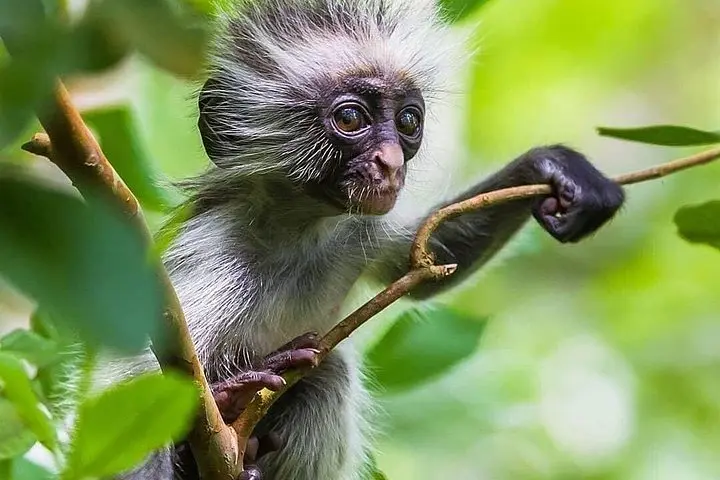
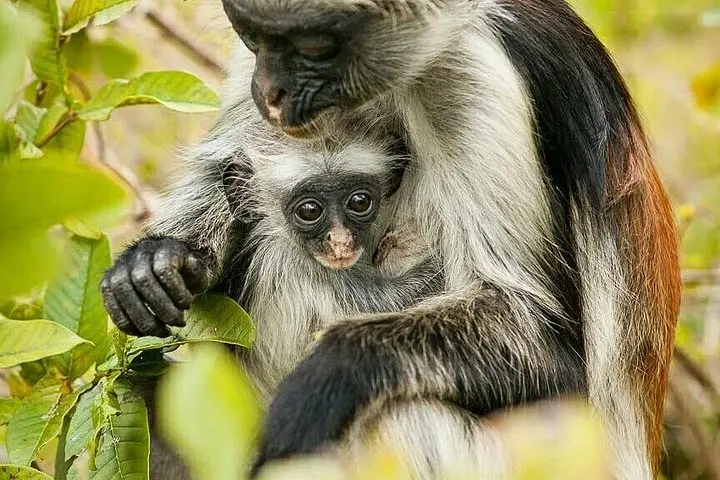
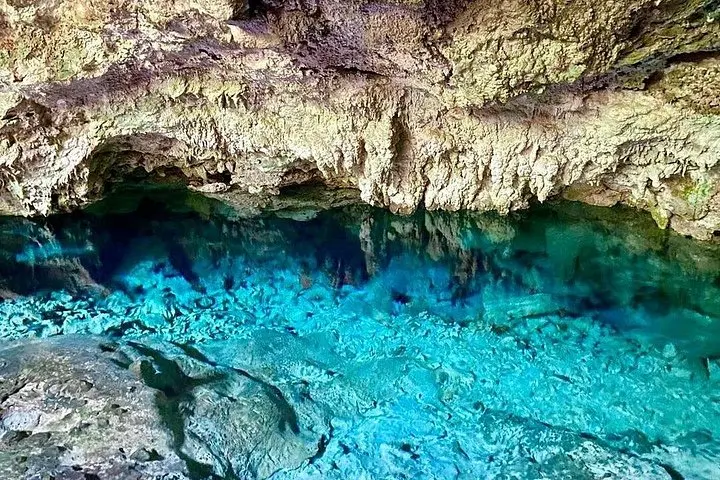
Jozani Chwaka Bay National Park preserves one of Unguja’s last native forests; the Zanzibar red colobus lives here, evolved in isolation from mainland primates. Kuza Cave is a karst pocket—limestone sculpted by rising and falling seas, later used as a local gathering place with traces of Swahili coastal life. Paje and nearby Pingwe show two coastal faces: wide, shallow reef flats favored by kitesurfers, and dramatic tidal seascapes that turn The Rock Restaurant into an island at high tide. South at Kizimkazi and Salaam Cave, coral gardens host green sea turtles and reef fish.
Practical guidance: this is a roughly nine-hour private excursion with short guided walks (boardwalks and uneven forest floor), two swims (cave and turtle area), and a seaside lunch stop (The Rock often requires a reservation or wait). Bring reef-safe sunscreen, water shoes for rocky shorelines and caves, a lightweight rain layer during the long rains (Mar–May), and cash for tips and purchases.
Expect moderate humidity, strong sun, and easy-to-moderate walking; mornings yield the best wildlife sightings and calmer seas for snorkeling. Respect local wildlife—observe at distance—and plan transport time back to Paje if your schedule is tight.
Yes—the operator lists the tour as suitable for all fitness levels and offers wheelchair- and stroller-accessible options for many areas, though some uneven forest and cave surfaces require care.
Jozani and Kuza Cave admissions are typically included; the 3-course lunch at The Rock is part of the itinerary but confirm when booking, and there may be extra charges for special menu items or drinks.
Wildlife sightings can't be guaranteed, but mornings and calm sea conditions improve the chances of seeing red colobus monkeys in Jozani and green turtles near Salaam Cave.
Basic swimming ability is recommended for the cave and turtle swims, though shallow entry points are used and guides remain nearby to assist.
TripSavvy.co.tz operates guided outdoor trips and adventures with an emphasis on safety, stewardship, and memorable experiences.

Dawn on Zanzibar’s east coast begins with palms stirring and the Indian Ocean flattening into a polished mirror. On this full-day loop from Paje you move from shaded mahogany and mangrove trails into a limestone cave, across powdery beach, and out to tidal rock platforms where turtles glide in blue clarity.
Dawn on Zanzibar’s east coast begins with palms stirring and the Indian Ocean flattening into a polished mirror. On this full-day loop from Paje you move from shaded mahogany and mangrove trails into a limestone cave, across powdery beach, and out to tidal rock platforms where turtles glide in blue clarity.
Jozani Chwaka Bay National Park preserves one of Unguja’s last native forests; the Zanzibar red colobus lives here, evolved in isolation from mainland primates. Kuza Cave is a karst pocket—limestone sculpted by rising and falling seas, later used as a local gathering place with traces of Swahili coastal life. Paje and nearby Pingwe show two coastal faces: wide, shallow reef flats favored by kitesurfers, and dramatic tidal seascapes that turn The Rock Restaurant into an island at high tide. South at Kizimkazi and Salaam Cave, coral gardens host green sea turtles and reef fish.
Practical guidance: this is a roughly nine-hour private excursion with short guided walks (boardwalks and uneven forest floor), two swims (cave and turtle area), and a seaside lunch stop (The Rock often requires a reservation or wait). Bring reef-safe sunscreen, water shoes for rocky shorelines and caves, a lightweight rain layer during the long rains (Mar–May), and cash for tips and purchases.
Expect moderate humidity, strong sun, and easy-to-moderate walking; mornings yield the best wildlife sightings and calmer seas for snorkeling. Respect local wildlife—observe at distance—and plan transport time back to Paje if your schedule is tight.