THE ADVENTURE COLLECTIVE® · Independent discovery and booking for outdoor travel

Head out from Harbin by high-speed rail for a full-day private visit to Zhalong Nature Reserve, where red-crowned cranes gather in reed-framed wetlands. This practical guide outlines what to expect, how to prepare, and when to go for the best wildlife viewing.
Head out from Harbin by high-speed rail for a full-day private visit to Zhalong Nature Reserve, where red-crowned cranes gather in reed-framed wetlands. This practical guide outlines what to expect, how to prepare, and when to go for the best wildlife viewing.
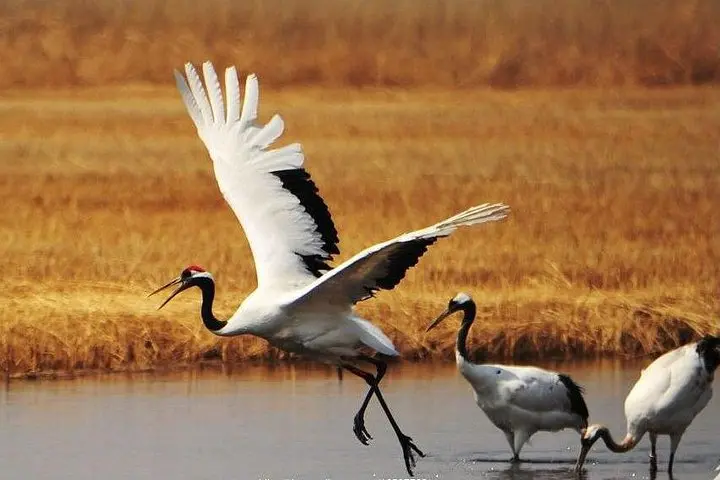
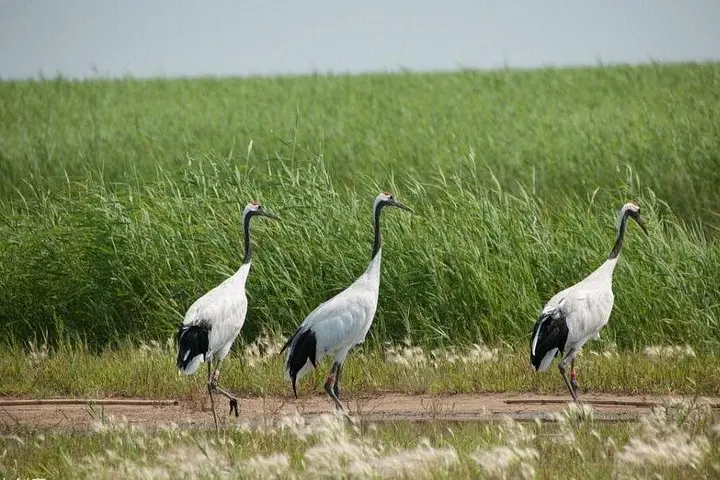
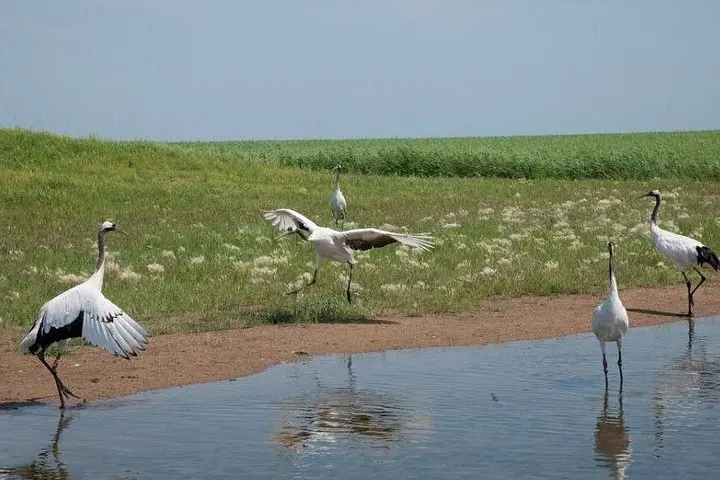
A low winter sun cuts across broad reedbeds as the high-speed train eases out of Harbin and the landscape flattens into braided marsh. By midmorning the private guide leads the small group toward observation hides where the tall, black-and-white form of the red-crowned crane shifts through mist like a slow-moving punctuation mark. The reeds whisper; the cranes answer with long, resonant calls.
Verified experiences and guided adventures in the surrounding area.
Operated by Private Tour Guide · Qiqihar, Heilongjiang
A low winter sun cuts across broad reedbeds as the high-speed train eases out of Harbin and the landscape flattens into braided marsh. By midmorning the private guide leads the small group toward observation hides where the tall, black-and-white form of the red-crowned crane shifts through mist like a slow-moving punctuation mark. The reeds whisper; the cranes answer with long, resonant calls.
Zhalong was set aside in the late 20th century to protect migratory waterfowl and their wetland habitat. Geologically the reserve sits on an alluvial plain that traps slow-moving waters, shaping reed-dominated marshes ideal for breeding and stopover staging. Local culture around Qiqihar includes wetland husbandry and seasonal crane feeding programs run by reserve staff — a rare chance to observe keeper-assisted releases at designated times.
Expect wide, flat boardwalks, short walks from parking to hides, and long views across open water and reed islands. Light is decisive: dawn and late afternoon sharpen bird activity, while midday can be still and quiet. Practicalities matter — train schedules, passport details for ticketing, and weather that can turn windy and cold.
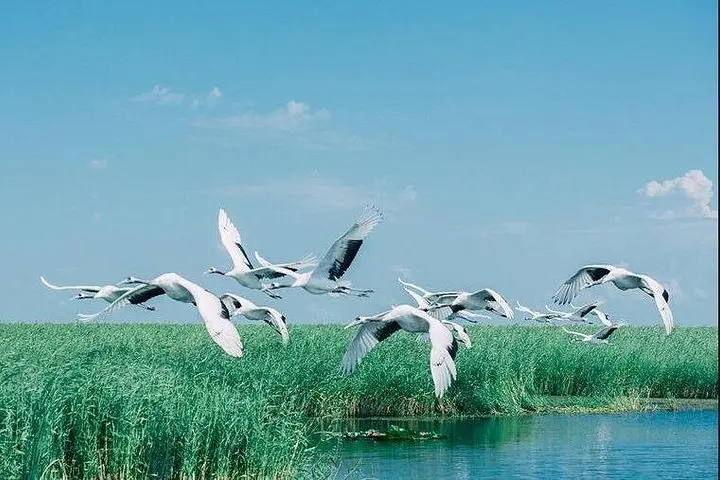
Plan for early starts, binoculars, and layered clothing. Photography is rewarding but respect distance rules and hides. The trip balances minimal exertion with sustained wildlife viewing; patience rewards visitors with large flocks, intimate crane behavior, and the atmospheric hush of northeastern China’s wetlands.
The full-day private tour runs roughly 8–12 hours door-to-door, including train travel to Qiqihar (about 2 hours each way) and local transport to the reserve.
Zhalong is best known for red-crowned cranes and a range of waterfowl such as swan geese and other migratory ducks and waders; sightings vary by season.
Yes — passport information (name, nationality, DOB, passport number, expiry) is required when booking train tickets and must be submitted in advance.
Yes — the itinerary involves easy walking on flat boardwalks and viewing hides, making it accessible to families and those with limited mobility, though early starts and long travel days should be considered.
Private Tour Guide operates guided outdoor trips and adventures with an emphasis on safety, stewardship, and memorable experiences.
A low winter sun cuts across broad reedbeds as the high-speed train eases out of Harbin and the landscape flattens into braided marsh. By midmorning the private guide leads the small group toward observation hides where the tall, black-and-white form of the red-crowned crane shifts through mist like a slow-moving punctuation mark. The reeds whisper; the cranes answer with long, resonant calls.
A low winter sun cuts across broad reedbeds as the high-speed train eases out of Harbin and the landscape flattens into braided marsh. By midmorning the private guide leads the small group toward observation hides where the tall, black-and-white form of the red-crowned crane shifts through mist like a slow-moving punctuation mark. The reeds whisper; the cranes answer with long, resonant calls.
Zhalong was set aside in the late 20th century to protect migratory waterfowl and their wetland habitat. Geologically the reserve sits on an alluvial plain that traps slow-moving waters, shaping reed-dominated marshes ideal for breeding and stopover staging. Local culture around Qiqihar includes wetland husbandry and seasonal crane feeding programs run by reserve staff — a rare chance to observe keeper-assisted releases at designated times.
Expect wide, flat boardwalks, short walks from parking to hides, and long views across open water and reed islands. Light is decisive: dawn and late afternoon sharpen bird activity, while midday can be still and quiet. Practicalities matter — train schedules, passport details for ticketing, and weather that can turn windy and cold.
Plan for early starts, binoculars, and layered clothing. Photography is rewarding but respect distance rules and hides. The trip balances minimal exertion with sustained wildlife viewing; patience rewards visitors with large flocks, intimate crane behavior, and the atmospheric hush of northeastern China’s wetlands.