THE ADVENTURE COLLECTIVE® · Independent discovery and booking for outdoor travel

Slip into moonlit channels of the Timucuan Preserve on a two-hour guided paddle through Talbot Islands State Park. This full-moon outing blends easy paddling with wildlife viewing and local stewardship—ideal for families and first-time kayakers or SUP riders.
Slip into moonlit channels of the Timucuan Preserve on a two-hour guided paddle through Talbot Islands State Park. This full-moon outing blends easy paddling with wildlife viewing and local stewardship—ideal for families and first-time kayakers or SUP riders.
The moon lifts slowly out of the pine line, a pale coin over the salt marsh, and the guides slip quietly into the water as if not to wake the tide. Paddle blades cut through glassy channels and the island exhales—froth of oysters clinging to roots, the distant rasp of a wading bird. On the Amelia Full Moon Paddle at Talbot Islands State Park, the night is an active thing, moving around you in cool breaths and soft reflections.
Verified experiences and guided adventures in the surrounding area.
Operated by PADL · Fernandina Beach, Florida
The moon lifts slowly out of the pine line, a pale coin over the salt marsh, and the guides slip quietly into the water as if not to wake the tide. Paddle blades cut through glassy channels and the island exhales—froth of oysters clinging to roots, the distant rasp of a wading bird. On the Amelia Full Moon Paddle at Talbot Islands State Park, the night is an active thing, moving around you in cool breaths and soft reflections.
This stretch of the Timucuan Ecological and Historic Preserve was shaped long before roads or resorts: rivers and storm tides laid down the marshes, and centuries of sea-level shift gave rise to the low islands and tidal creeks paddlers now thread. Indigenous peoples traveled these waterways for food and trade; later, Spanish and British maps noted the islands as waypoints. Today the state park protects sections of Big Talbot and Little Talbot, where ancient live oaks drape their limbs and salt marsh grasses signal ebb and flow.
Geology here is simple but decisive: thin soils over barrier-island sands, channels cut by the Atlantic's push and pull. The mash of Spartina grasses, fiddler crabs and exposed oyster beds creates an ecosystem that supports migratory birds and juvenile fish, making the paddle more than scenic—it's a front-row seat to coastal life cycles.
Culturally, the paddle is low-key and local. Guides from Amelia and Jacksonville bring field knowledge and an easy stewardship ethic—expect brief natural-history talks between strokes and clear leave-no-trace practices. Full moon outings emphasize silence and observation; light is kept minimal to protect nocturnal wildlife and to preserve the lunar show.
Practical guidance: arrive 30 minutes early for a safety briefing and equipment fitting. The trip runs about two hours and covers calm salt-marsh channels—no whitewater, but expect shallow shoals and occasional mud. Life jackets and waterproof dry bags are provided; bring a small headlamp if you want hands-free light for adjustments, but keep it dim to avoid startling wildlife. Footwear that can get wet and a light wind layer are ideal; temperatures on the marsh can drop several degrees after sunset.
For families and first-timers, this is approachable: the tour supplies paddleboards and kayaks, and guides pair groups by comfort level. Photographers should protect gear with a waterproof case and embrace long exposures—moonlit reflections make for dramatic silhouettes. If weather cancels, operators usually offer a refund when storms threaten.
The full-moon paddle is part slow nature study, part gentle athletic outing: it asks you to move at the marsh's pace, notice small life, and return to shore with salt on your clothes and a clearer sense of the coastline's rhythms.
Yes—guides provide instruction and pair participants by experience; both paddleboards and kayaks are available for stability.
Families are welcome; infants or small children can ride in a pram on-site but check operator policies for minimum ages per craft.
Yes—US Coast Guard-approved life jackets are provided and required for all participants.
Tours are canceled for severe weather; the operator offers a full refund if canceled for weather-related safety concerns.
Check with the operator ahead of time—private craft may be allowed, but equipment is provided and outfitters usually manage logistics for group safety.
Guides emphasize respectful distances; you can expect close views of birds and fish in shallow channels, but no disturbing or chasing of animals is allowed.
PADL operates guided outdoor trips and adventures with an emphasis on safety, stewardship, and memorable experiences.
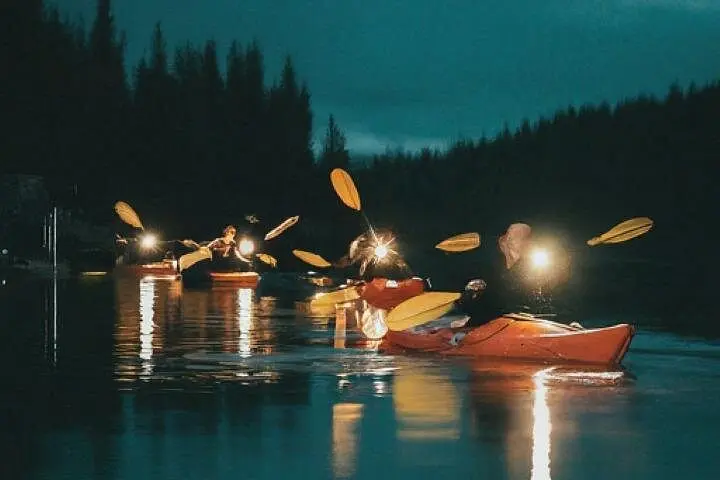
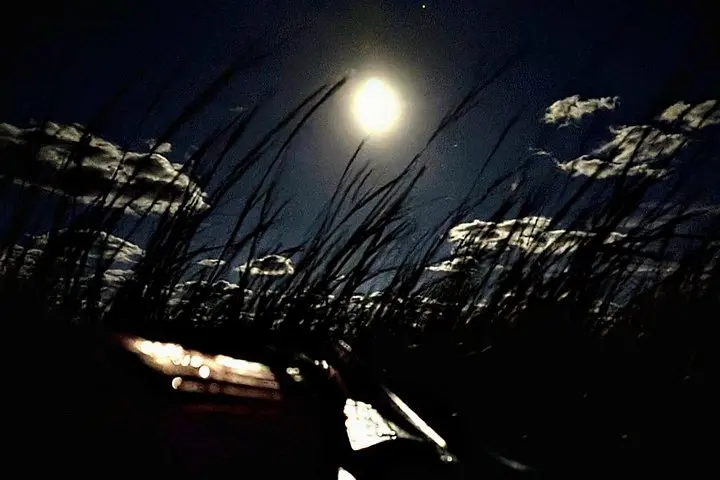
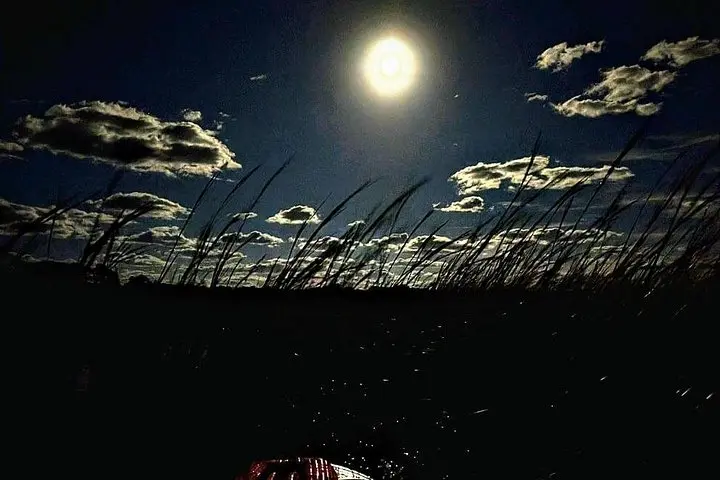

The moon lifts slowly out of the pine line, a pale coin over the salt marsh, and the guides slip quietly into the water as if not to wake the tide. Paddle blades cut through glassy channels and the island exhales—froth of oysters clinging to roots, the distant rasp of a wading bird. On the Amelia Full Moon Paddle at Talbot Islands State Park, the night is an active thing, moving around you in cool breaths and soft reflections.
The moon lifts slowly out of the pine line, a pale coin over the salt marsh, and the guides slip quietly into the water as if not to wake the tide. Paddle blades cut through glassy channels and the island exhales—froth of oysters clinging to roots, the distant rasp of a wading bird. On the Amelia Full Moon Paddle at Talbot Islands State Park, the night is an active thing, moving around you in cool breaths and soft reflections.
This stretch of the Timucuan Ecological and Historic Preserve was shaped long before roads or resorts: rivers and storm tides laid down the marshes, and centuries of sea-level shift gave rise to the low islands and tidal creeks paddlers now thread. Indigenous peoples traveled these waterways for food and trade; later, Spanish and British maps noted the islands as waypoints. Today the state park protects sections of Big Talbot and Little Talbot, where ancient live oaks drape their limbs and salt marsh grasses signal ebb and flow.
Geology here is simple but decisive: thin soils over barrier-island sands, channels cut by the Atlantic's push and pull. The mash of Spartina grasses, fiddler crabs and exposed oyster beds creates an ecosystem that supports migratory birds and juvenile fish, making the paddle more than scenic—it's a front-row seat to coastal life cycles.
Culturally, the paddle is low-key and local. Guides from Amelia and Jacksonville bring field knowledge and an easy stewardship ethic—expect brief natural-history talks between strokes and clear leave-no-trace practices. Full moon outings emphasize silence and observation; light is kept minimal to protect nocturnal wildlife and to preserve the lunar show.
Practical guidance: arrive 30 minutes early for a safety briefing and equipment fitting. The trip runs about two hours and covers calm salt-marsh channels—no whitewater, but expect shallow shoals and occasional mud. Life jackets and waterproof dry bags are provided; bring a small headlamp if you want hands-free light for adjustments, but keep it dim to avoid startling wildlife. Footwear that can get wet and a light wind layer are ideal; temperatures on the marsh can drop several degrees after sunset.
For families and first-timers, this is approachable: the tour supplies paddleboards and kayaks, and guides pair groups by comfort level. Photographers should protect gear with a waterproof case and embrace long exposures—moonlit reflections make for dramatic silhouettes. If weather cancels, operators usually offer a refund when storms threaten.
The full-moon paddle is part slow nature study, part gentle athletic outing: it asks you to move at the marsh's pace, notice small life, and return to shore with salt on your clothes and a clearer sense of the coastline's rhythms.