THE ADVENTURE COLLECTIVE® · Independent discovery and booking for outdoor travel

Take a guided two-hour snowshoe under a full moon and cross a moonlit meadow near Canmore. This easy, family-friendly outing includes snowshoes and headlamps and is suitable for beginners and children 10+.
Take a guided two-hour snowshoe under a full moon and cross a moonlit meadow near Canmore. This easy, family-friendly outing includes snowshoes and headlamps and is suitable for beginners and children 10+.
You step out of the village into cold, thin air and the moon rides high over dark spruce — the snow underfoot snaps; the trail ahead is a silver ribbon. On a clear night, the Rockies don’t just sit there — they watch and push you forward, the meadow opening like a stage where moonlight makes every branch and drift visible.
Verified experiences and guided adventures in the surrounding area.
Operated by Kananaskis Outfitters · Canmore, Alberta
You step out of the village into cold, thin air and the moon rides high over dark spruce — the snow underfoot snaps; the trail ahead is a silver ribbon. On a clear night, the Rockies don’t just sit there — they watch and push you forward, the meadow opening like a stage where moonlight makes every branch and drift visible.
This kind of guided snowshoe outing draws on a long local relationship with winter travel: Indigenous peoples and early mountain travelers read weather and terrain the same way modern guides read trail markers. Geologically, you’re in the front ranges of the Canadian Rockies — folded sedimentary rock that creates sharp ridgelines and wide, sheltered meadows where snow settles in predictable drifts and the moon casts long shadows.
Locally, evenings in Canmore and nearby towns shift from busy to hushed; winter tourism blends with mountain-resident culture, and guides often weave natural-history notes about lynx, hoary marmots, and avalanche awareness into the walk. Expect a slow, steady ascent of roughly 1–2 km to an open meadow; elevation gain is modest on most commercial tours, making the outing accessible yet rewarding.
Practical details: tours typically last two hours, providers supply snowshoes and headlamps, and the route can be icy in places — traction and layered insulation matter. Hydrate before you go, tuck snacks in a small daypack, and plan for temperatures well below freezing after the sun sets. If cloud cover hides the moon, the tour still offers a quiet night hike beneath the stars. Bring a camera with a steady hand or tripod if you want good moonlit shots — long exposures work best.
Yes; most operators supply snowshoes and headlamps as part of the tour inclusions.
Yes—this tour is typically suitable for participants 10 years and older, though check operator details before booking.
The tour usually runs regardless of moon visibility; guides adapt the route to maximize scenery and safety under starlight or cloud cover.
Many moonlight snowshoe tours are final-sale; operators may cancel if minimum participant numbers aren’t met—confirm the specific cancellation policy at booking.
Kananaskis Outfitters operates guided outdoor trips and adventures with an emphasis on safety, stewardship, and memorable experiences.
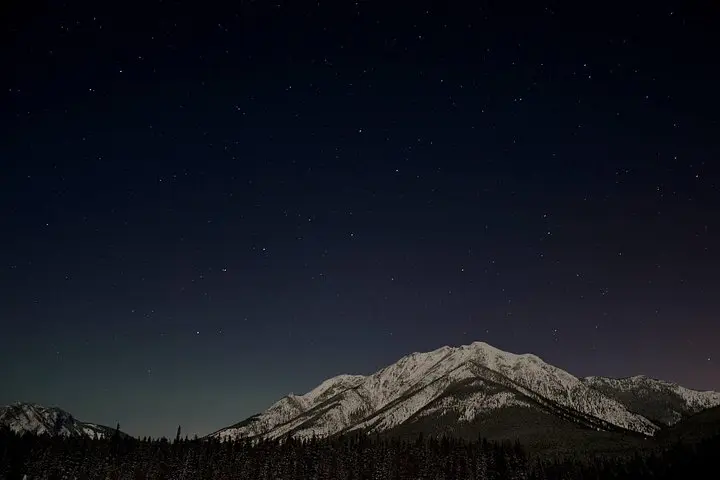
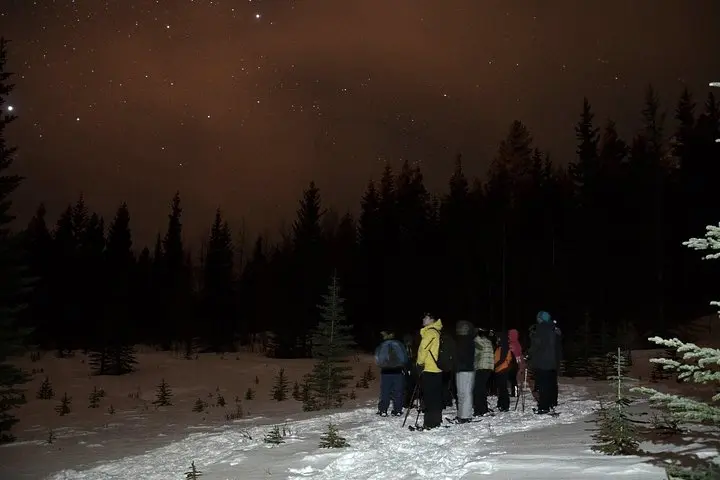
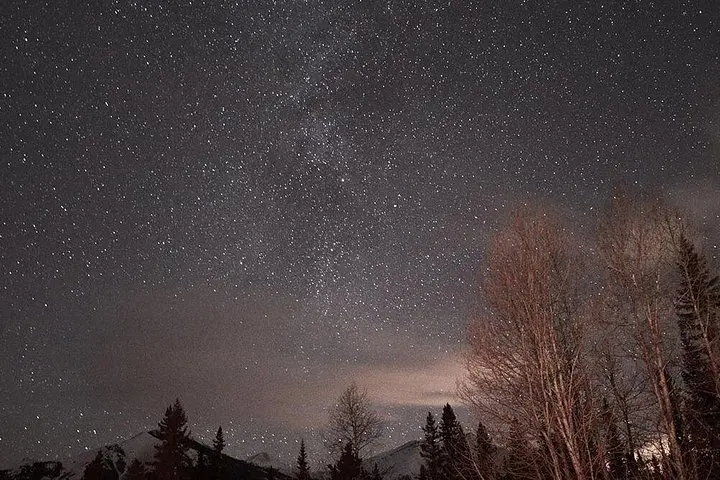
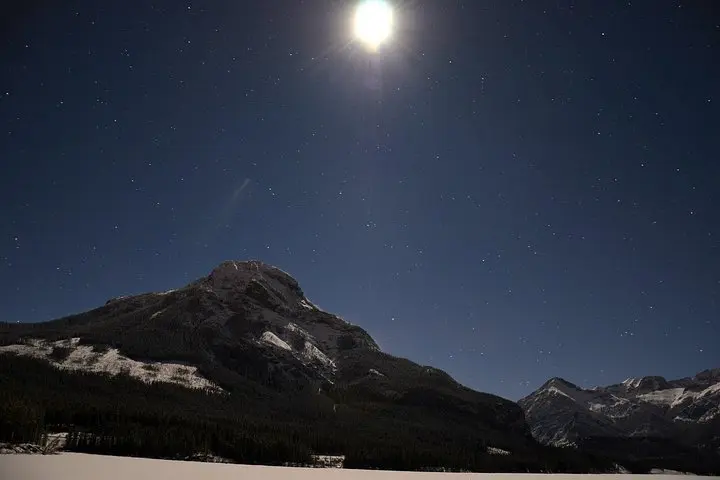
You step out of the village into cold, thin air and the moon rides high over dark spruce — the snow underfoot snaps; the trail ahead is a silver ribbon. On a clear night, the Rockies don’t just sit there — they watch and push you forward, the meadow opening like a stage where moonlight makes every branch and drift visible.
You step out of the village into cold, thin air and the moon rides high over dark spruce — the snow underfoot snaps; the trail ahead is a silver ribbon. On a clear night, the Rockies don’t just sit there — they watch and push you forward, the meadow opening like a stage where moonlight makes every branch and drift visible.
This kind of guided snowshoe outing draws on a long local relationship with winter travel: Indigenous peoples and early mountain travelers read weather and terrain the same way modern guides read trail markers. Geologically, you’re in the front ranges of the Canadian Rockies — folded sedimentary rock that creates sharp ridgelines and wide, sheltered meadows where snow settles in predictable drifts and the moon casts long shadows.
Locally, evenings in Canmore and nearby towns shift from busy to hushed; winter tourism blends with mountain-resident culture, and guides often weave natural-history notes about lynx, hoary marmots, and avalanche awareness into the walk. Expect a slow, steady ascent of roughly 1–2 km to an open meadow; elevation gain is modest on most commercial tours, making the outing accessible yet rewarding.
Practical details: tours typically last two hours, providers supply snowshoes and headlamps, and the route can be icy in places — traction and layered insulation matter. Hydrate before you go, tuck snacks in a small daypack, and plan for temperatures well below freezing after the sun sets. If cloud cover hides the moon, the tour still offers a quiet night hike beneath the stars. Bring a camera with a steady hand or tripod if you want good moonlit shots — long exposures work best.