THE ADVENTURE COLLECTIVE® · Independent discovery and booking for outdoor travel

A compact winter snowshoe that ends at Furepe Falls, where frozen spray and drift ice frame the Sea of Okhotsk. Beginner-friendly but exposed to strong winds—great for icicle photography and wildlife sightings.
A compact winter snowshoe that ends at Furepe Falls, where frozen spray and drift ice frame the Sea of Okhotsk. Beginner-friendly but exposed to strong winds—great for icicle photography and wildlife sightings.
Beneath a cold northern sky the trail opens onto a shoreline where water becomes sculpture. On a three-hour snowshoe route to Furepe Falls you move across wind-scoured drifts, the north wind licking spray into frozen ribbons, and step onto cliffs that look down at the Sea of Okhotsk—sometimes littered with drifting ice floes that glint like broken mirrors.
Verified experiences and guided adventures in the surrounding area.
Operated by Picchio Shiretoko · Utoro, Hokkaido
Beneath a cold northern sky the trail opens onto a shoreline where water becomes sculpture. On a three-hour snowshoe route to Furepe Falls you move across wind-scoured drifts, the north wind licking spray into frozen ribbons, and step onto cliffs that look down at the Sea of Okhotsk—sometimes littered with drifting ice floes that glint like broken mirrors.
Furepe sits on the eastern flank of the Shiretoko Peninsula, an area recognized by UNESCO for its raw coastal geology and intact ecosystems. Volcanic runs and glacial action carved the steep headlands; the falls pour from a thin cleft in volcanic rock, reflecting a history of uplift and abrasion. This is also Ainu country—local place names and seasonal hunting patterns reflect a human relationship with the sea and forest that predates modern access.
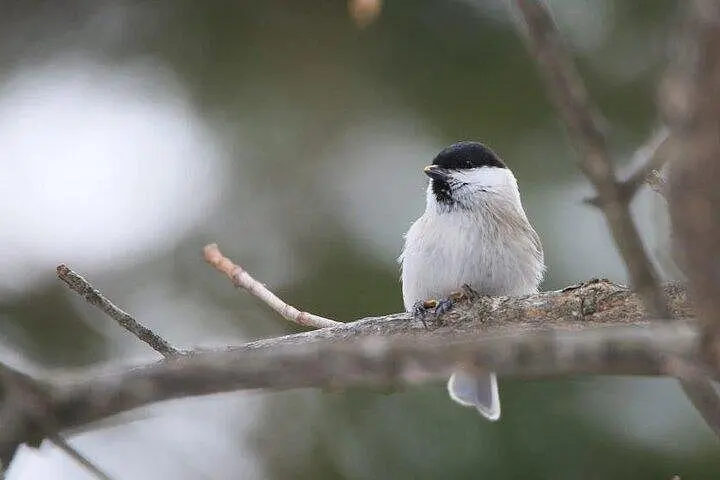
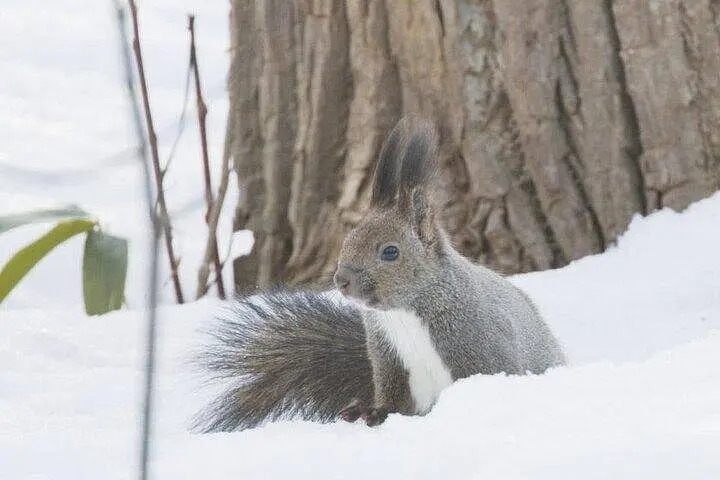
Expect silence interrupted by the hiss of wind and, if you’re lucky, the cautious steps of deer or the flash of an Ezo fox. The route is beginner-friendly with steady climbs, packed snow, and sections where wind exposure sharpens the cold.
Practical guidance: dress in layered, waterproof winter clothing, and use gaiters or the provided rubber boots; poles improve balance on icy patches. Aim for mid-morning departures—light is best for reading ice formations and the sea. Leave no trace: soil and coastal plants are fragile beneath snow; keep to the guide’s path and give wildlife wide berth. With preparation this short, coastal snowshoe delivers dramatic views, easy wildlife chances, and a tactile lesson in Hokkaido’s winter geology.
No—snowshoes or boots are provided by the operator; you should supply warm socks and personal layers.
From February to March drift ice is common along the Sea of Okhotsk; wildlife sightings like deer or foxes are possible but never guaranteed.
The route is beginner-friendly but requires moderate fitness and stability on snow—consult the operator about age limits and fitness concerns.
Facilities are limited along the trail; plan accordingly and use accommodations before departure.
Picchio Shiretoko operates guided outdoor trips and adventures with an emphasis on safety, stewardship, and memorable experiences.
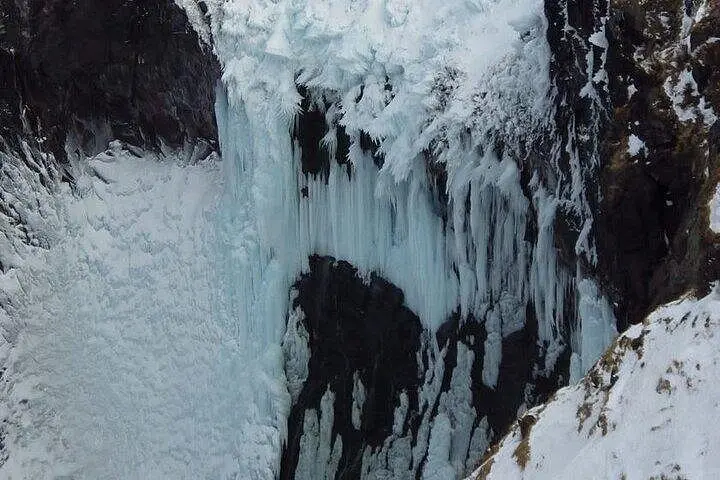
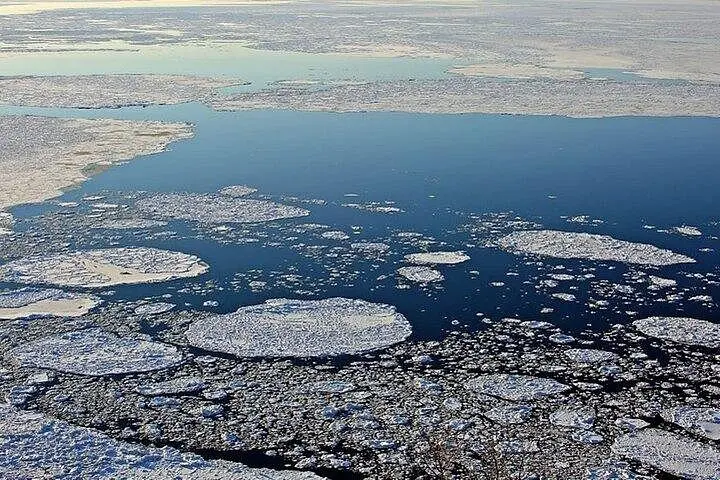
Beneath a cold northern sky the trail opens onto a shoreline where water becomes sculpture. On a three-hour snowshoe route to Furepe Falls you move across wind-scoured drifts, the north wind licking spray into frozen ribbons, and step onto cliffs that look down at the Sea of Okhotsk—sometimes littered with drifting ice floes that glint like broken mirrors.
Beneath a cold northern sky the trail opens onto a shoreline where water becomes sculpture. On a three-hour snowshoe route to Furepe Falls you move across wind-scoured drifts, the north wind licking spray into frozen ribbons, and step onto cliffs that look down at the Sea of Okhotsk—sometimes littered with drifting ice floes that glint like broken mirrors.
Furepe sits on the eastern flank of the Shiretoko Peninsula, an area recognized by UNESCO for its raw coastal geology and intact ecosystems. Volcanic runs and glacial action carved the steep headlands; the falls pour from a thin cleft in volcanic rock, reflecting a history of uplift and abrasion. This is also Ainu country—local place names and seasonal hunting patterns reflect a human relationship with the sea and forest that predates modern access.
Expect silence interrupted by the hiss of wind and, if you’re lucky, the cautious steps of deer or the flash of an Ezo fox. The route is beginner-friendly with steady climbs, packed snow, and sections where wind exposure sharpens the cold.
Practical guidance: dress in layered, waterproof winter clothing, and use gaiters or the provided rubber boots; poles improve balance on icy patches. Aim for mid-morning departures—light is best for reading ice formations and the sea. Leave no trace: soil and coastal plants are fragile beneath snow; keep to the guide’s path and give wildlife wide berth. With preparation this short, coastal snowshoe delivers dramatic views, easy wildlife chances, and a tactile lesson in Hokkaido’s winter geology.