THE ADVENTURE COLLECTIVE® · Independent discovery and booking for outdoor travel

Try on a furisode and stroll Osaka for a day: silk sleeves, professional hair and makeup, and a compact schedule that fits public transit. This one-day rental pairs traditional dress with practical tips for shrine visits and photos.
Try on a furisode and stroll Osaka for a day: silk sleeves, professional hair and makeup, and a compact schedule that fits public transit. This one-day rental pairs traditional dress with practical tips for shrine visits and photos.
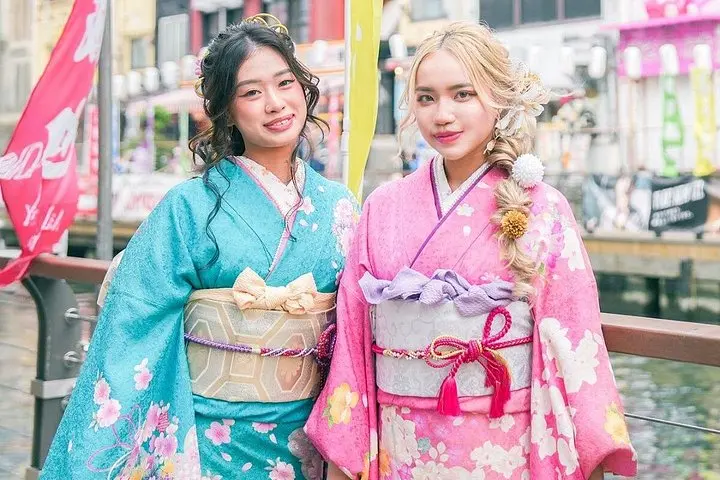
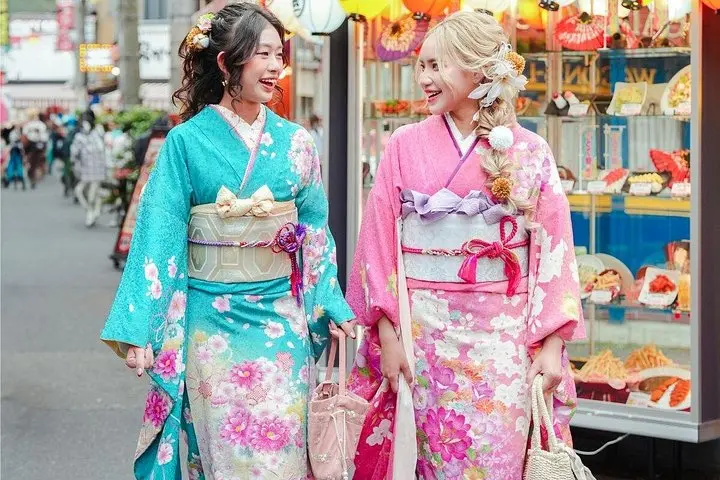
You step from an Osaka side street into a compact studio where silk breathes and color crowds the racks—bright reds, deep indigos, and florals that catch light like small flags. The attendant guides you to a mirror; a furisode’s long sleeves hang like a handshake from another era as staff measure and move with practiced efficiency.
Verified experiences and guided adventures in the surrounding area.
Operated by Kawaii OSAKA [Kimono / Japanese costume Rentals] · Osaka, Osaka Prefecture
You step from an Osaka side street into a compact studio where silk breathes and color crowds the racks—bright reds, deep indigos, and florals that catch light like small flags. The attendant guides you to a mirror; a furisode’s long sleeves hang like a handshake from another era as staff measure and move with practiced efficiency.
Furisode originated as formal wear for young, unmarried women in Edo-period Japan and became the standard for coming-of-age ceremonies and celebratory events. Osaka sits on an alluvial plain, a city shaped by rivers that once carried dyes and fabrics to merchant workshops, and that mercantile history explains why textile craft remains visible in modern rental studios and souvenir shops.
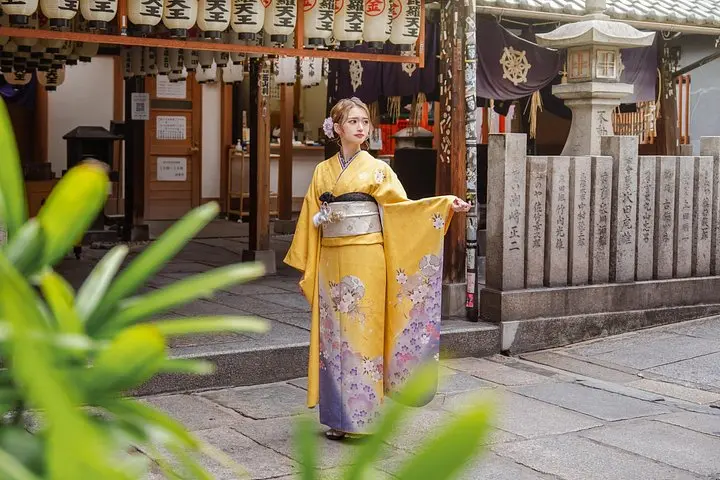
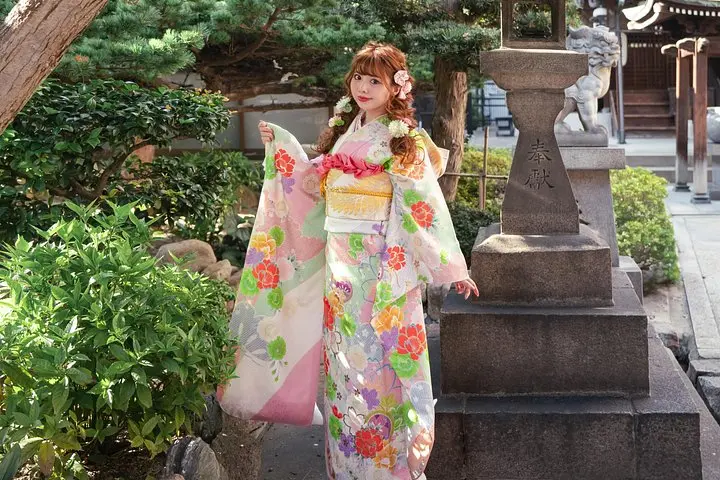
Culturally, wearing a furisode is both performative and respectful: modest movement, small steps by shrine gates, and care with sleeves near food or trains. Local insights: choose subdued patterns for shrine visits and reserve flash photography near temples; many studios provide embroidered zori, tabi socks, and accessory sets.
Practical guidance: the one-day plan blocks roughly 8 hours—10 minutes to select, 15–20 minutes to dress (add 20 minutes for hair and makeup), and about 10 minutes to change back. Bring photocopies of ID if requested, wear easy-to-remove clothing underneath, and plan transit on foot or by subway—public transport is the easiest way to reach central Osaka. Ask about size options and whether the photo shoot upgrade is available; the studio’s multilingual staff can advise on kimono care and how to walk without catching sleeves. Return before the agreed time to avoid late fees and enjoy a day where costume and city intersect cleanly and confidently.
This one-day plan is typically for a set period (about 8 hours); confirm your pickup and return times when booking to avoid late fees.
Hair and makeup are offered as part of the plan—add roughly 20 minutes to the dressing time when you reserve that option.
Furisode are traditionally for young, unmarried women; the studio offers male kimono options, but confirm availability and sizing ahead of time.
Yes—the studio carries over 100 kimono in various sizes and supplies obi, tabi, zori, and hair accessories as part of the rental.
Kawaii OSAKA [Kimono / Japanese costume Rentals] operates guided outdoor trips and adventures with an emphasis on safety, stewardship, and memorable experiences.
You step from an Osaka side street into a compact studio where silk breathes and color crowds the racks—bright reds, deep indigos, and florals that catch light like small flags. The attendant guides you to a mirror; a furisode’s long sleeves hang like a handshake from another era as staff measure and move with practiced efficiency.
You step from an Osaka side street into a compact studio where silk breathes and color crowds the racks—bright reds, deep indigos, and florals that catch light like small flags. The attendant guides you to a mirror; a furisode’s long sleeves hang like a handshake from another era as staff measure and move with practiced efficiency.
Furisode originated as formal wear for young, unmarried women in Edo-period Japan and became the standard for coming-of-age ceremonies and celebratory events. Osaka sits on an alluvial plain, a city shaped by rivers that once carried dyes and fabrics to merchant workshops, and that mercantile history explains why textile craft remains visible in modern rental studios and souvenir shops.
Culturally, wearing a furisode is both performative and respectful: modest movement, small steps by shrine gates, and care with sleeves near food or trains. Local insights: choose subdued patterns for shrine visits and reserve flash photography near temples; many studios provide embroidered zori, tabi socks, and accessory sets.
Practical guidance: the one-day plan blocks roughly 8 hours—10 minutes to select, 15–20 minutes to dress (add 20 minutes for hair and makeup), and about 10 minutes to change back. Bring photocopies of ID if requested, wear easy-to-remove clothing underneath, and plan transit on foot or by subway—public transport is the easiest way to reach central Osaka. Ask about size options and whether the photo shoot upgrade is available; the studio’s multilingual staff can advise on kimono care and how to walk without catching sleeves. Return before the agreed time to avoid late fees and enjoy a day where costume and city intersect cleanly and confidently.