THE ADVENTURE COLLECTIVE® · Independent discovery and booking for outdoor travel

In four hours you can move from steaming fumaroles to tea terraces and a valley viewpoint—sampling the unique cozido and local liqueurs along the way. This practical loop around Furnas delivers geology, culture and easy walking for most visitors.
In four hours you can move from steaming fumaroles to tea terraces and a valley viewpoint—sampling the unique cozido and local liqueurs along the way. This practical loop around Furnas delivers geology, culture and easy walking for most visitors.
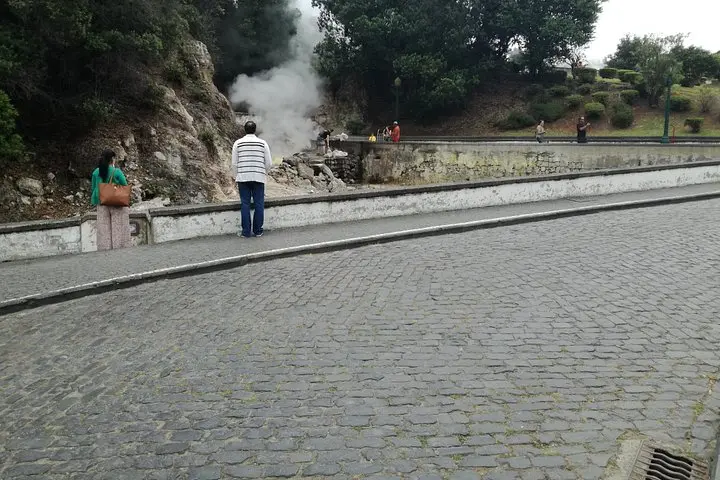
Steam lifts off the ground like a slow exhale as the van pulls into Furnas’ bowl-shaped valley. The smell of iron and sulfur meets the damp scent of tea leaves; low clouds press against crater rims while water bubbles in iron-rich pools. This four-hour loop stitches together short walks, viewpoint stops and cultural tastes—liqueur samplings and the famous cozido stew cooked in the earth.
Verified experiences and guided adventures in the surrounding area.
Operated by JMAZORESTOURS · Furnas, Azores
Steam lifts off the ground like a slow exhale as the van pulls into Furnas’ bowl-shaped valley. The smell of iron and sulfur meets the damp scent of tea leaves; low clouds press against crater rims while water bubbles in iron-rich pools. This four-hour loop stitches together short walks, viewpoint stops and cultural tastes—liqueur samplings and the famous cozido stew cooked in the earth.
Furnas sits inside a volcanic caldera on São Miguel, a landscape still shaped by hydrothermal activity. Springs and fumaroles mark old vents; the tea plantation nearby occupies gently sloping, volcanic soils introduced in the 19th century by British-influenced planting. Local culture mixes Azorean rural life with geothermal industry—tea and medicinal baths have been part of the valley’s economy for generations.
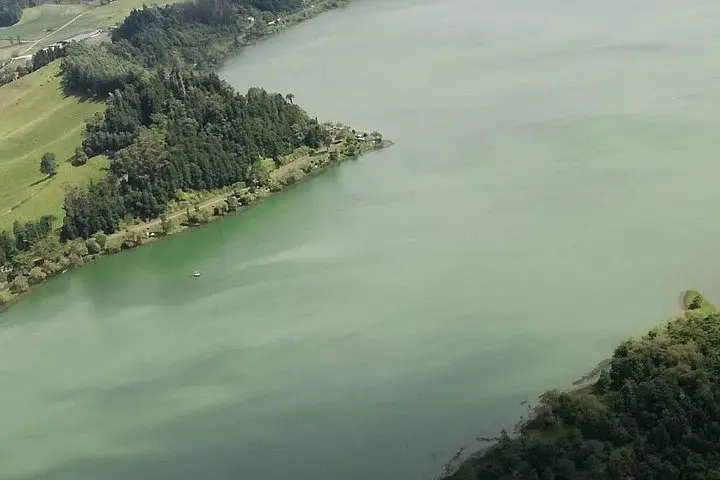
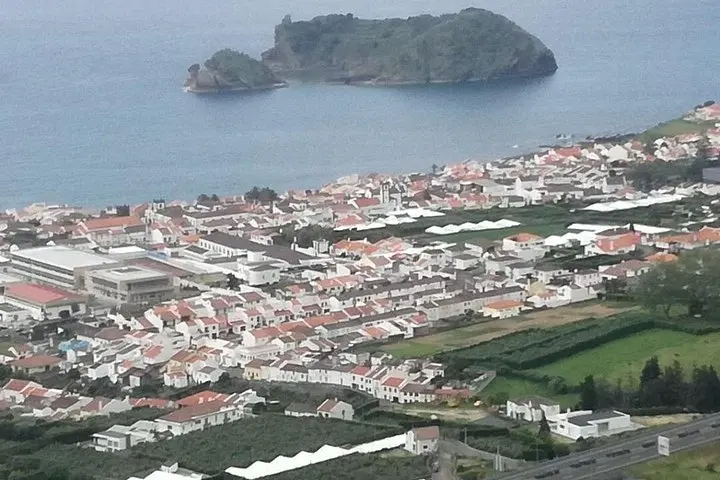
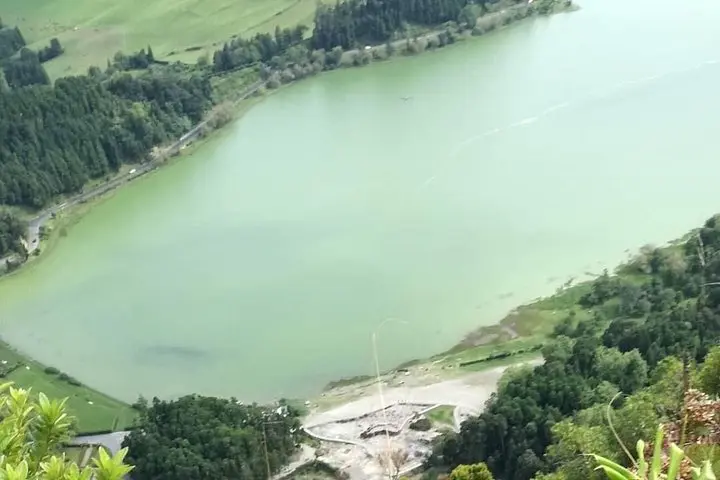
On this tour expect mostly paved or gravel paths with brief uneven sections: plan for repeated short strolls of 200–800 m and modest elevation changes (roughly 50–200 m cumulative). Highlights include the Miradouro da Nossa Senhora da Paz, the bubbling Furnas caldeiras where cooks lower pots for the cozido, a working tea factory with terrace rows, and Santa Iria viewpoint for broad valley panoramas.
Practical tips: wear grippy shoes and a lightweight rain shell, carry water and spare cash for local tastings, and keep a respectful distance from thermal vents—scalding water is common. Best light is morning or late afternoon for photos and cooler air. The route is accessible to most fitness levels and delivers a concentrated, sensory portrait of Azorean geothermal life.
Expect short walks at each stop—typically 200–800 m per stop—with mostly paved or gravel paths and modest elevation changes; total walking is light.
The tour usually includes a tasting element or a stop to view the cooking process, but full meals or restaurant service may be extra—confirm at booking.
Children can join but must be supervised closely around hot springs and fumaroles; follow guides’ instructions and stay on designated paths.
Yes; most visitors base in Ponta Delgada or Furnas—pick-up/meeting point options vary so confirm your transfer details when booking.
JMAZORESTOURS operates guided outdoor trips and adventures with an emphasis on safety, stewardship, and memorable experiences.
Steam lifts off the ground like a slow exhale as the van pulls into Furnas’ bowl-shaped valley. The smell of iron and sulfur meets the damp scent of tea leaves; low clouds press against crater rims while water bubbles in iron-rich pools. This four-hour loop stitches together short walks, viewpoint stops and cultural tastes—liqueur samplings and the famous cozido stew cooked in the earth.
Steam lifts off the ground like a slow exhale as the van pulls into Furnas’ bowl-shaped valley. The smell of iron and sulfur meets the damp scent of tea leaves; low clouds press against crater rims while water bubbles in iron-rich pools. This four-hour loop stitches together short walks, viewpoint stops and cultural tastes—liqueur samplings and the famous cozido stew cooked in the earth.
Furnas sits inside a volcanic caldera on São Miguel, a landscape still shaped by hydrothermal activity. Springs and fumaroles mark old vents; the tea plantation nearby occupies gently sloping, volcanic soils introduced in the 19th century by British-influenced planting. Local culture mixes Azorean rural life with geothermal industry—tea and medicinal baths have been part of the valley’s economy for generations.
On this tour expect mostly paved or gravel paths with brief uneven sections: plan for repeated short strolls of 200–800 m and modest elevation changes (roughly 50–200 m cumulative). Highlights include the Miradouro da Nossa Senhora da Paz, the bubbling Furnas caldeiras where cooks lower pots for the cozido, a working tea factory with terrace rows, and Santa Iria viewpoint for broad valley panoramas.
Practical tips: wear grippy shoes and a lightweight rain shell, carry water and spare cash for local tastings, and keep a respectful distance from thermal vents—scalding water is common. Best light is morning or late afternoon for photos and cooler air. The route is accessible to most fitness levels and delivers a concentrated, sensory portrait of Azorean geothermal life.