THE ADVENTURE COLLECTIVE® · Independent discovery and booking for outdoor travel

Explore São Miguel’s volcanic heart on a full-day guided excursion combining Nordeste’s sea cliffs and waterfalls with Furnas’ fumaroles, hot springs and the famous cozido cooked in the ground. Ideal for photographers and anyone curious about volcanic landscapes and local culinary traditions.
Explore São Miguel’s volcanic heart on a full-day guided excursion combining Nordeste’s sea cliffs and waterfalls with Furnas’ fumaroles, hot springs and the famous cozido cooked in the ground. Ideal for photographers and anyone curious about volcanic landscapes and local culinary traditions.
You step off the minivan into steaming ground and the air smells of iron and salt; fumaroles hiss like a city’s small engines and lanes of hydrangea flank narrow roads. The day moves from cliff-top viewpoints above the Atlantic to the sheltered green of Nordeste, then into Furnas’ volcanic bowl where restaurants draw up the pots of cozido that have been slow-cooked in the earth.
Verified experiences and guided adventures in the surrounding area.
Operated by Artur Azores Tours · Furnas, Azores
You step off the minivan into steaming ground and the air smells of iron and salt; fumaroles hiss like a city’s small engines and lanes of hydrangea flank narrow roads. The day moves from cliff-top viewpoints above the Atlantic to the sheltered green of Nordeste, then into Furnas’ volcanic bowl where restaurants draw up the pots of cozido that have been slow-cooked in the earth.
Geology drives the itinerary: São Miguel is a string of volcanic craters and calderas, and Furnas is an active thermal system where hot springs, mud pools and fumaroles reveal the island’s heat. Nordeste’s cliffs and waterfalls tell a different story—erosion and ocean working the basalt into dramatic outcrops. Culturally, the cozido is communal and practical: a method born from geothermal certainty and local kitchens. You’ll also pass one of Europe’s historic tea plantations, a reminder of the island’s agricultural experiments since the 19th century.
Expect short walks, lookouts and brief village stops rather than long hikes; the tour’s vehicle provides transport and a local guide to place each stop in context. Practical notes: wear sturdy shoes and layered clothing for coastal wind and inland warmth, bring swimwear if you want to test thermal pools, and carry a small reusable water bottle.
Timing matters—mornings are clearer for east-coast viewpoints, afternoons bring steam and the ceremonial drawing of the cozido from the ground. Respect marked geothermal areas, and leave no trace of picnics or trash behind—the islands are small and fragile, and the landscape rewards careful visitors.
Most departures are from Ponta Delgada or arranged pickup points; confirm your pickup location when booking—transport is by air-conditioned vehicle.
Lunch featuring cozido is included; inform the operator of dietary restrictions ahead of time so they can arrange alternatives where possible.
Some hot springs and thermal pools have public access while others require an entrance fee; the guide will indicate options and whether time allows a public soak.
The itinerary is rated easy with mostly short walks and vehicle transport, but access at some viewpoints and thermal areas includes steps and uneven ground—check specifics if mobility is limited.
Artur Azores Tours operates guided outdoor trips and adventures with an emphasis on safety, stewardship, and memorable experiences.
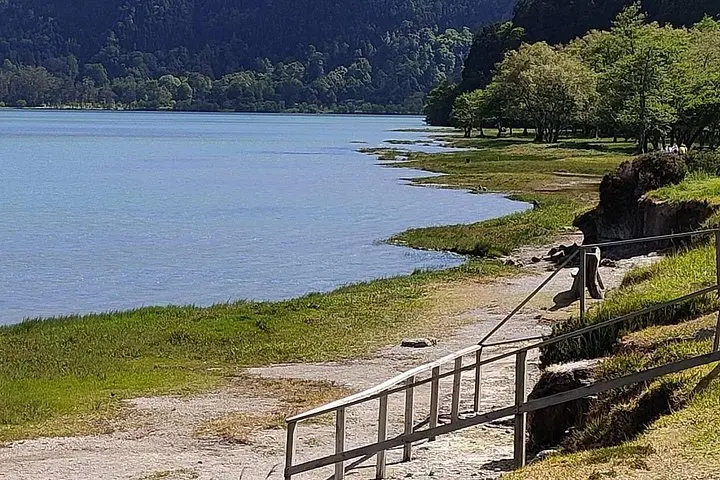
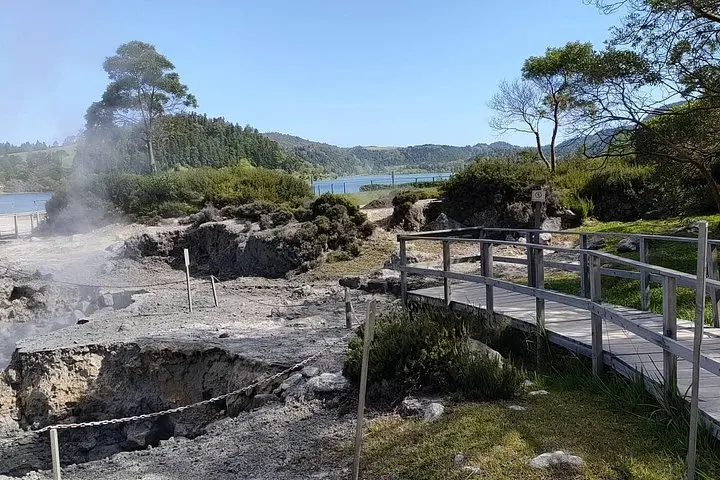
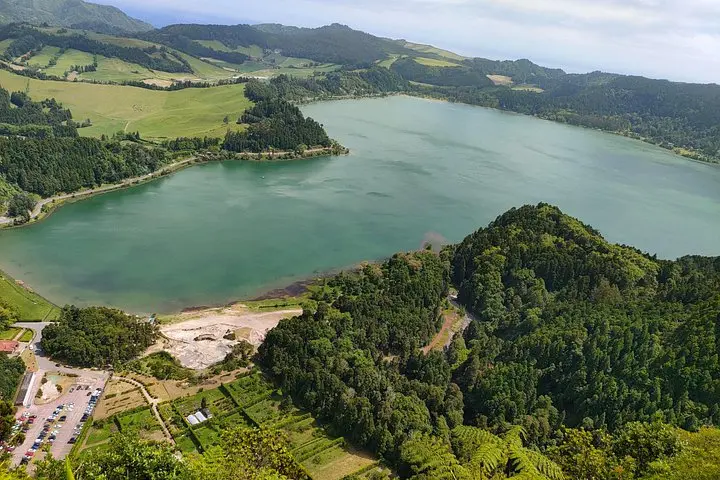
You step off the minivan into steaming ground and the air smells of iron and salt; fumaroles hiss like a city’s small engines and lanes of hydrangea flank narrow roads. The day moves from cliff-top viewpoints above the Atlantic to the sheltered green of Nordeste, then into Furnas’ volcanic bowl where restaurants draw up the pots of cozido that have been slow-cooked in the earth.
You step off the minivan into steaming ground and the air smells of iron and salt; fumaroles hiss like a city’s small engines and lanes of hydrangea flank narrow roads. The day moves from cliff-top viewpoints above the Atlantic to the sheltered green of Nordeste, then into Furnas’ volcanic bowl where restaurants draw up the pots of cozido that have been slow-cooked in the earth.
Geology drives the itinerary: São Miguel is a string of volcanic craters and calderas, and Furnas is an active thermal system where hot springs, mud pools and fumaroles reveal the island’s heat. Nordeste’s cliffs and waterfalls tell a different story—erosion and ocean working the basalt into dramatic outcrops. Culturally, the cozido is communal and practical: a method born from geothermal certainty and local kitchens. You’ll also pass one of Europe’s historic tea plantations, a reminder of the island’s agricultural experiments since the 19th century.
Expect short walks, lookouts and brief village stops rather than long hikes; the tour’s vehicle provides transport and a local guide to place each stop in context. Practical notes: wear sturdy shoes and layered clothing for coastal wind and inland warmth, bring swimwear if you want to test thermal pools, and carry a small reusable water bottle.
Timing matters—mornings are clearer for east-coast viewpoints, afternoons bring steam and the ceremonial drawing of the cozido from the ground. Respect marked geothermal areas, and leave no trace of picnics or trash behind—the islands are small and fragile, and the landscape rewards careful visitors.