THE ADVENTURE COLLECTIVE® · Independent discovery and booking for outdoor travel

Spend a day circling Furnas’ volcanic heart: thermal baths, a geothermal-cooked lunch, Pico do Ferro viewpoints and Europe’s lone tea plantations. Practical tips cover entry fees, what to wear, and the best times to visit.
Spend a day circling Furnas’ volcanic heart: thermal baths, a geothermal-cooked lunch, Pico do Ferro viewpoints and Europe’s lone tea plantations. Practical tips cover entry fees, what to wear, and the best times to visit.
Steam and mineral-rich mist hangs low over the Furnas crater as the van eases into the valley — a green amphitheater scored with fumaroles and orange-tinged pools.
Verified experiences and guided adventures in the surrounding area.
Operated by BigBlue Adventures · Furnas, Azores
Steam and mineral-rich mist hangs low over the Furnas crater as the van eases into the valley — a green amphitheater scored with fumaroles and orange-tinged pools.
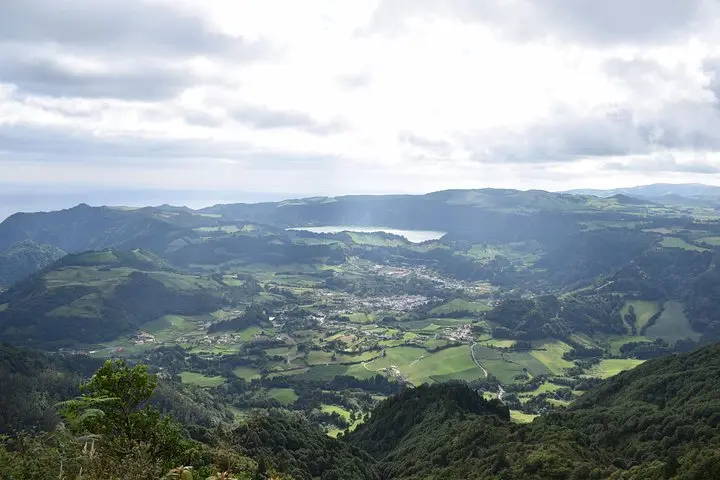
This full-day route threads south from Ponta Delgada to Vila Franca do Campo’s viewpoint, drops into Furnas for thermal baths and the slow-cooked cozido, then climbs to Pico do Ferro for a crater-wide panorama before winding past Gorreana’s tea terraces and the Santa Iria overlook on the north coast.
Geology here is visible: a volcanic caldera shaped by repeated eruptions and ongoing geothermal activity. Culturally, Furnas is known for its convent sweets, the unique European tea plantation at Gorreana, and the culinary tradition of burying the cozido in steam vents to cook. Parked springs and century-old gardens at Terra Nostra reflect 19th-century estate landscaping layered over volcanic ground.
Practical guidance: expect an 8-hour day with short on-foot explorations — mostly gentle walks of 0.5–2 km with some steps at viewpoints. Entry to thermal parks and baths is usually extra; bring swimwear and a towel if you want to bathe. Wear sturdy, water-resistant shoes — paths around fumaroles can be wet and warm spots unpredictable. Carry cash for small purchases and tastings, and a light rain shell: weather shifts quickly in the Azores.
Timing tips: mornings bring clearer views at Pico do Ferro; late afternoon light suits the north-coast stops. Respect fenced geothermal areas, follow guide directions, and leave no trace — the valley’s delicate thermal ecology needs careful visitors.
Most tour prices do not include park or bath entrance fees (Terra Nostra, Poça da Dona Beija); confirm when booking and bring cash or card.
Tours typically include pickup and drop-off in Ponta Delgada; you'll select a pickup point when booking — confirm exact times in advance.
The tour notes stroller accessibility and infant seats may be available, but check with the operator for specific needs before booking.
The operator may cancel for severe weather; standard cancellation policies usually allow refunds if cancelled 24 hours prior.
BigBlue Adventures operates guided outdoor trips and adventures with an emphasis on safety, stewardship, and memorable experiences.
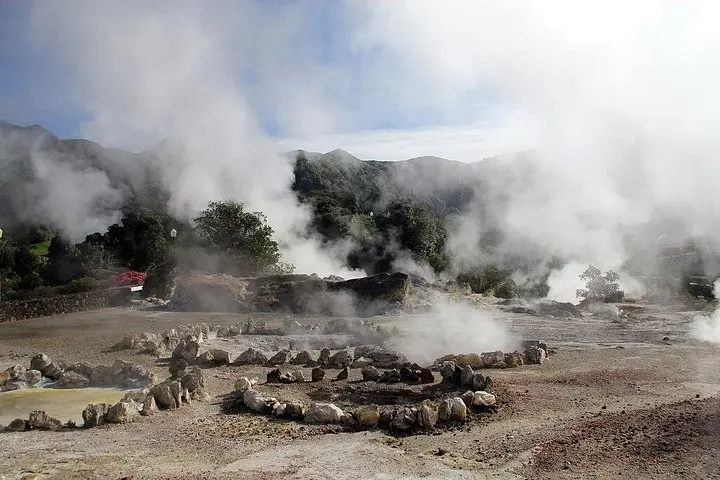
Steam and mineral-rich mist hangs low over the Furnas crater as the van eases into the valley — a green amphitheater scored with fumaroles and orange-tinged pools.
Steam and mineral-rich mist hangs low over the Furnas crater as the van eases into the valley — a green amphitheater scored with fumaroles and orange-tinged pools.
This full-day route threads south from Ponta Delgada to Vila Franca do Campo’s viewpoint, drops into Furnas for thermal baths and the slow-cooked cozido, then climbs to Pico do Ferro for a crater-wide panorama before winding past Gorreana’s tea terraces and the Santa Iria overlook on the north coast.
Geology here is visible: a volcanic caldera shaped by repeated eruptions and ongoing geothermal activity. Culturally, Furnas is known for its convent sweets, the unique European tea plantation at Gorreana, and the culinary tradition of burying the cozido in steam vents to cook. Parked springs and century-old gardens at Terra Nostra reflect 19th-century estate landscaping layered over volcanic ground.
Practical guidance: expect an 8-hour day with short on-foot explorations — mostly gentle walks of 0.5–2 km with some steps at viewpoints. Entry to thermal parks and baths is usually extra; bring swimwear and a towel if you want to bathe. Wear sturdy, water-resistant shoes — paths around fumaroles can be wet and warm spots unpredictable. Carry cash for small purchases and tastings, and a light rain shell: weather shifts quickly in the Azores.
Timing tips: mornings bring clearer views at Pico do Ferro; late afternoon light suits the north-coast stops. Respect fenced geothermal areas, follow guide directions, and leave no trace — the valley’s delicate thermal ecology needs careful visitors.