THE ADVENTURE COLLECTIVE® · Independent discovery and booking for outdoor travel

Walk through the famous Senbon Torii and into quieter ridgeline trails with a local guide. This three-hour hike mixes cultural history, short steep pitches, and little-known viewpoints above Kyoto.
Walk through the famous Senbon Torii and into quieter ridgeline trails with a local guide. This three-hour hike mixes cultural history, short steep pitches, and little-known viewpoints above Kyoto.
You step under vermilion gates and the world narrows to a corridor of wood and shadow, the city noise fading as the trail climbs. Fushimi Inari’s trails thread through cedar and bamboo, rising to the mountain’s summit at roughly 233 meters where a skyline of Kyoto spreads below.
Verified experiences and guided adventures in the surrounding area.
Operated by 888tour · Kyoto, Kyoto Prefecture
You step under vermilion gates and the world narrows to a corridor of wood and shadow, the city noise fading as the trail climbs. Fushimi Inari’s trails thread through cedar and bamboo, rising to the mountain’s summit at roughly 233 meters where a skyline of Kyoto spreads below.
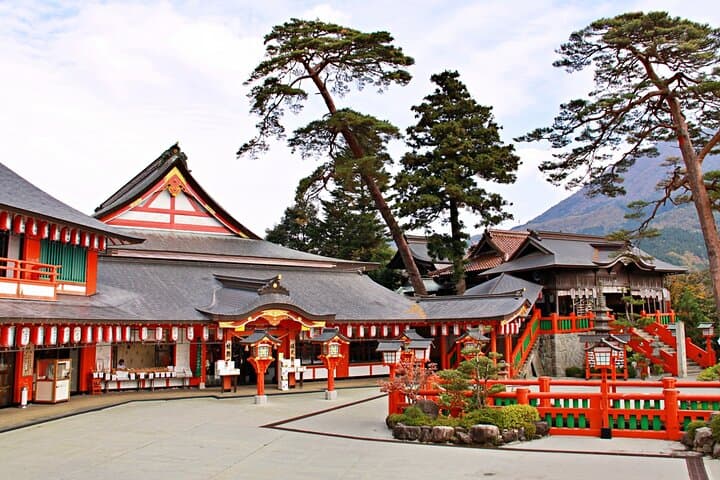
The shrine at the trailhead dates to the early 8th century and the torii—donated by businesses and families—chart a cultural map of gratitude and commerce. Geologically the rise is modest: weathered volcanic and metamorphic outcrops carved by centuries of foot traffic rather than dramatic peaks. Cultural markers appear constantly—fox statues, small subsidiary shrines, and inscribed gates—each a layer of human story on a living path.
A local guide turns a confusing maze of back routes into a purposeful walk, pointing out quiet side paths, discrete vantage points like the mid-mountain Yotsutsuji overlook, and a hilltop tea house where traditional sweets slow the pace.
Practically, expect stone steps, short steep pitches, and narrow single-track sections. Plan for three hours total, bring 1–1.5 liters of water, sturdy footwear with good grip, and a light rain layer—Kyoto weather changes fast. Start early to avoid the main tourist surge through Senbon Torii and to catch softer light at the viewpoints. Respect shrine etiquette: keep voices low at prayer sites, don’t touch offerings, and pack out waste. A guide not only keeps you on route but translates cultural context and points out small details visitors often miss—turning a popular pilgrimage into a focused mountain hike.
The tour is about three hours and rated moderate—expect stone steps, brief steep sections, and narrow trails; a moderate fitness level is recommended.
Most groups meet near Fushimi Inari Taisha, a short walk from JR Inari Station and several bus stops in southern Kyoto—public transport is convenient.
Yes—the route includes the famous Senbon Torii corridor and continues onto less-visited mountain trails and viewpoints.
Tours may be canceled for bad weather; the operator typically requires 24+ hours for a full refund—confirm details when booking.
888tour operates guided outdoor trips and adventures with an emphasis on safety, stewardship, and memorable experiences.
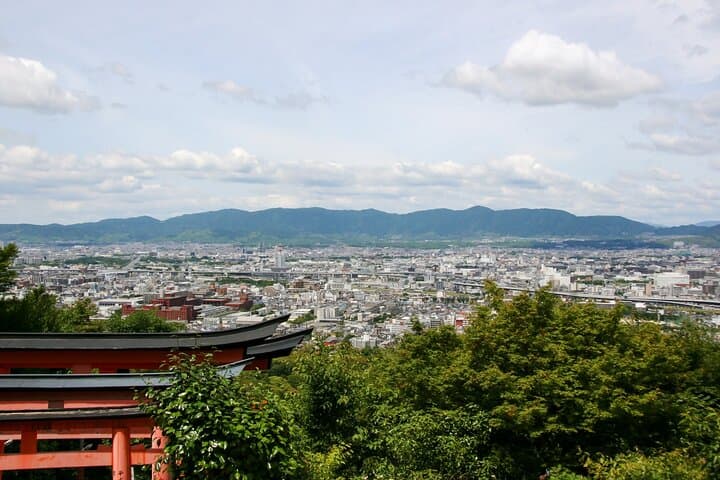

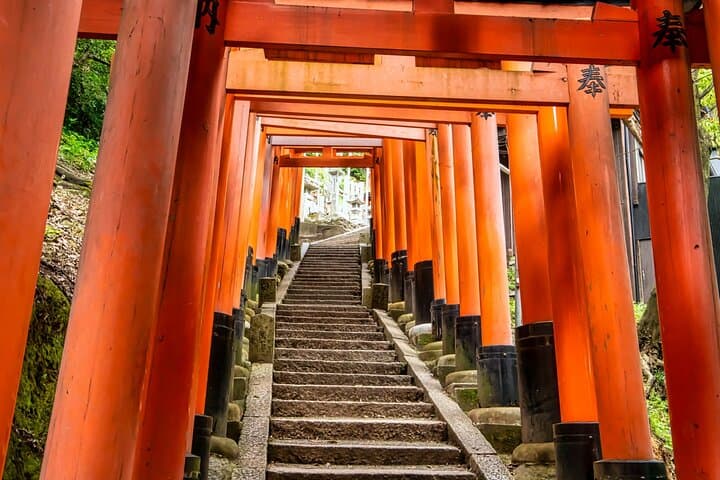
You step under vermilion gates and the world narrows to a corridor of wood and shadow, the city noise fading as the trail climbs. Fushimi Inari’s trails thread through cedar and bamboo, rising to the mountain’s summit at roughly 233 meters where a skyline of Kyoto spreads below.
You step under vermilion gates and the world narrows to a corridor of wood and shadow, the city noise fading as the trail climbs. Fushimi Inari’s trails thread through cedar and bamboo, rising to the mountain’s summit at roughly 233 meters where a skyline of Kyoto spreads below.
The shrine at the trailhead dates to the early 8th century and the torii—donated by businesses and families—chart a cultural map of gratitude and commerce. Geologically the rise is modest: weathered volcanic and metamorphic outcrops carved by centuries of foot traffic rather than dramatic peaks. Cultural markers appear constantly—fox statues, small subsidiary shrines, and inscribed gates—each a layer of human story on a living path.
A local guide turns a confusing maze of back routes into a purposeful walk, pointing out quiet side paths, discrete vantage points like the mid-mountain Yotsutsuji overlook, and a hilltop tea house where traditional sweets slow the pace.
Practically, expect stone steps, short steep pitches, and narrow single-track sections. Plan for three hours total, bring 1–1.5 liters of water, sturdy footwear with good grip, and a light rain layer—Kyoto weather changes fast. Start early to avoid the main tourist surge through Senbon Torii and to catch softer light at the viewpoints. Respect shrine etiquette: keep voices low at prayer sites, don’t touch offerings, and pack out waste. A guide not only keeps you on route but translates cultural context and points out small details visitors often miss—turning a popular pilgrimage into a focused mountain hike.