THE ADVENTURE COLLECTIVE® · Independent discovery and booking for outdoor travel

Move beyond the iconic photos and learn the stories behind Kyoto’s famous Senbon Torii on a self-guided audio walking tour. This 45–60 minute route combines history, ritual, and a gentle mountain climb through hundreds of vermilion gates.
Move beyond the iconic photos and learn the stories behind Kyoto’s famous Senbon Torii on a self-guided audio walking tour. This 45–60 minute route combines history, ritual, and a gentle mountain climb through hundreds of vermilion gates.
You step off at JR Inari and the world narrows to lacquered red—an alley of torii that seems to usher you into the mountain itself. The audio guide begins: a fox statue watches as you pass beneath the first gates, voices and footsteps blending with the hush of cedar and stone. The path climbs, stairs punctuating the rhythm, and the torii multiply until the light filters red and your pace settles into the shrine's cadence.
Verified experiences and guided adventures in the surrounding area.
Operated by VoiceMap Audio Tours · Kyoto, Kyoto
You step off at JR Inari and the world narrows to lacquered red—an alley of torii that seems to usher you into the mountain itself. The audio guide begins: a fox statue watches as you pass beneath the first gates, voices and footsteps blending with the hush of cedar and stone. The path climbs, stairs punctuating the rhythm, and the torii multiply until the light filters red and your pace settles into the shrine's cadence.
Fushimi Inari Taisha dates to the early 8th century and honors Inari, the kami of rice and industry. Generations of merchants and farmers have donated the vermilion gates; each inscription on a pillar maps a living history of commerce, piety, and local craft. Geologically the route follows the gentle spine of Mt. Inari (summit ~233 m), its trail worn into steps and switchbacks that keep the climb steady rather than steep. Cultural stops—purification basins, Okusha inner shrines, and the Heavy-Light Stone—offer ritual moments as much as photo ops.
Practical guidance: install the VoiceMap app and redeem your code before you arrive, bring headphones, and plan 45–60 minutes for the guided route (more if you continue toward the summit). Go early to avoid crowds, wear grippy shoes for stone steps, and carry water—Kyoto summers are humid. Respect shrine rules: bow at torii, use the temizu basin properly, and leave offerings only where permitted. Follow the route, pause at viewpoints like Yotsutsuji, and let the forested mountain push you onward with quiet intensity.
The guided audio content covers the main route in about 45–60 minutes; allow extra time if you want to continue to Mt. Inari’s summit.
It starts at the fox statue by the big red torii across from JR Inari Station; the app shows a photo and activates the start button when you’re there.
No—it's classified easy, but expect uneven stone steps and short climbs; wear supportive shoes and go at your own pace.
No—redeem the eight-character VoiceMap code in the app and download the tour to your phone; bring headphones.
VoiceMap Audio Tours operates guided outdoor trips and adventures with an emphasis on safety, stewardship, and memorable experiences.
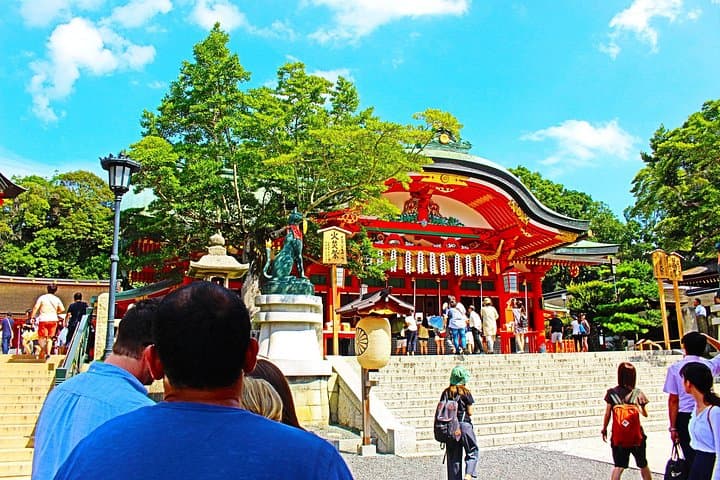
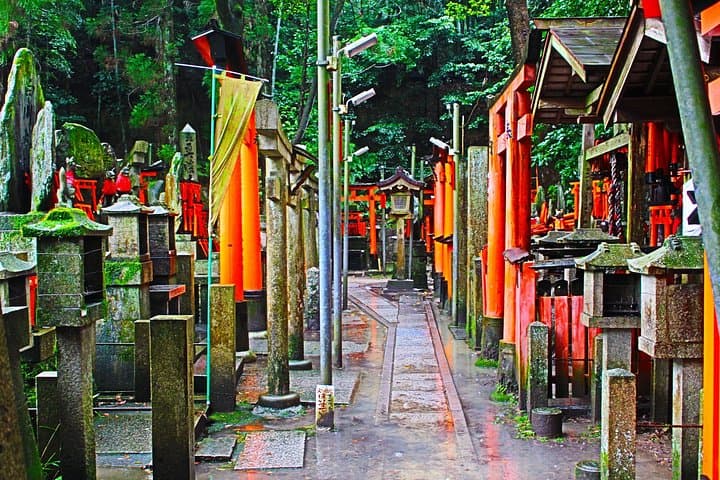
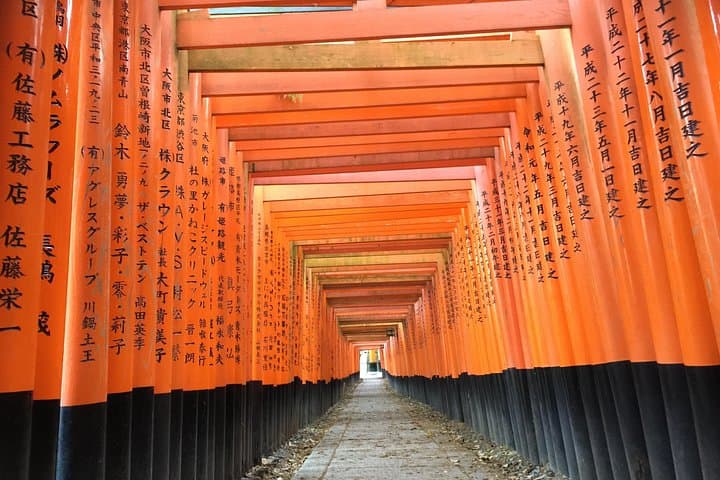
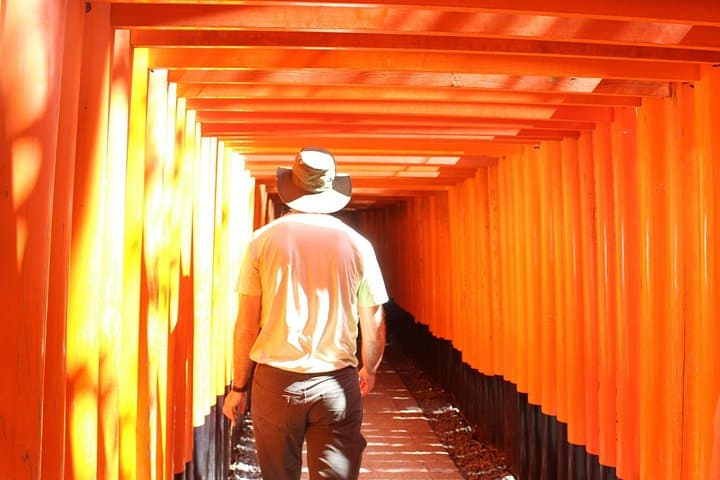
You step off at JR Inari and the world narrows to lacquered red—an alley of torii that seems to usher you into the mountain itself. The audio guide begins: a fox statue watches as you pass beneath the first gates, voices and footsteps blending with the hush of cedar and stone. The path climbs, stairs punctuating the rhythm, and the torii multiply until the light filters red and your pace settles into the shrine's cadence.
You step off at JR Inari and the world narrows to lacquered red—an alley of torii that seems to usher you into the mountain itself. The audio guide begins: a fox statue watches as you pass beneath the first gates, voices and footsteps blending with the hush of cedar and stone. The path climbs, stairs punctuating the rhythm, and the torii multiply until the light filters red and your pace settles into the shrine's cadence.
Fushimi Inari Taisha dates to the early 8th century and honors Inari, the kami of rice and industry. Generations of merchants and farmers have donated the vermilion gates; each inscription on a pillar maps a living history of commerce, piety, and local craft. Geologically the route follows the gentle spine of Mt. Inari (summit ~233 m), its trail worn into steps and switchbacks that keep the climb steady rather than steep. Cultural stops—purification basins, Okusha inner shrines, and the Heavy-Light Stone—offer ritual moments as much as photo ops.
Practical guidance: install the VoiceMap app and redeem your code before you arrive, bring headphones, and plan 45–60 minutes for the guided route (more if you continue toward the summit). Go early to avoid crowds, wear grippy shoes for stone steps, and carry water—Kyoto summers are humid. Respect shrine rules: bow at torii, use the temizu basin properly, and leave offerings only where permitted. Follow the route, pause at viewpoints like Yotsutsuji, and let the forested mountain push you onward with quiet intensity.