THE ADVENTURE COLLECTIVE® · Independent discovery and booking for outdoor travel

Taste your way through Fushimi’s historic breweries on a three-hour guided tour that visits production sites, a sake museum and a local bar. Learn how Kyoto’s soft water shapes sweeter sakes while sampling roughly ten varieties from nama to daiginjo.
Taste your way through Fushimi’s historic breweries on a three-hour guided tour that visits production sites, a sake museum and a local bar. Learn how Kyoto’s soft water shapes sweeter sakes while sampling roughly ten varieties from nama to daiginjo.
A chill evening air carries the scent of steamed rice as you step off the train in Fushimi, Kyoto’s low-lying sake district. Narrow lanes open to warehouse façades, wooden breweries with kanji plaques and the soft clink of glasses—this three-hour circuit threads you through production rooms, a small sake museum and a compact local bar where cups are topped and compared.
Verified experiences and guided adventures in the surrounding area.
Operated by Kampai Sake Tours · Kyoto, Kyoto Prefecture
A chill evening air carries the scent of steamed rice as you step off the train in Fushimi, Kyoto’s low-lying sake district. Narrow lanes open to warehouse façades, wooden breweries with kanji plaques and the soft clink of glasses—this three-hour circuit threads you through production rooms, a small sake museum and a compact local bar where cups are topped and compared.
Fushimi’s place in sake history comes from water as much as craft. The area sits on alluvial deposits from the Yamashiro Basin; the soft underground water here makes for sweeter, rounder sakes compared with harder-water regions. Breweries in Fushimi rose alongside Kyoto’s merchant culture in the Edo and Meiji periods, supplying temples, festivals and court life. Expect discussions of rice polishing ratios, fermentation methods and seasonal presses as guides explain names like ginjo, daiginjo, nama (unpasteurized) and nigori (unfiltered).
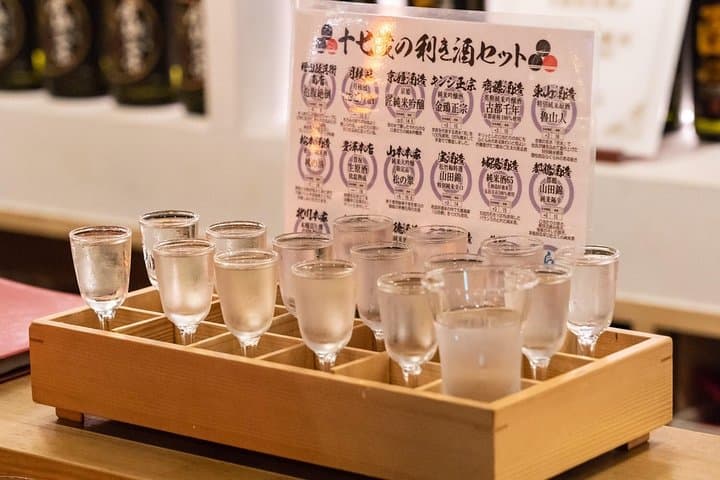
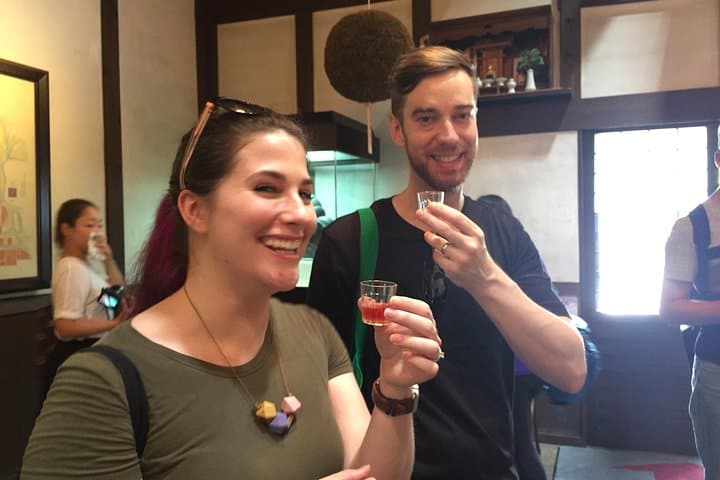
The tour balances tasting with context: you’ll visit two breweries—often including a museum stop—then finish at a small bar, sampling around ten varieties to note texture, acidity and rice character. Guides translate labels and suggest pairings: pickled vegetables, grilled fish or simple sashimi.
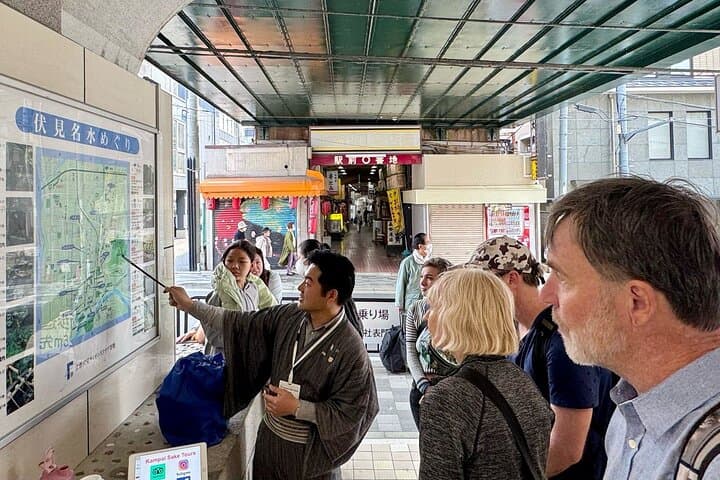
Practical notes: bring government ID (Japan’s legal drinking age is 20), wear comfortable shoes for short walks between venues, and pace yourself—spittoons are uncommon, so sip and hydrate. Public transport is convenient; Fushimi-Momoyama or Fushimi Inari stations are common meeting points. If you have allergies or are pregnant, tell the operator ahead of time. This is an accessible, sensory way to learn sake’s language while tracing the water and history that shape Kyoto’s signature brews.
Expect around ten different sakes across breweries and the bar, covering styles like nama, nigori, ginjo and daiginjo.
No—most tours meet at a central station in Fushimi; public transportation is the recommended way to arrive.
Yes—tasting fees are included and entry to the visited brewery/museum stops is covered by the tour.
Yes—many breweries and the bar sell bottles or small souvenirs; check customs rules for alcohol when traveling internationally.
Kampai Sake Tours operates guided outdoor trips and adventures with an emphasis on safety, stewardship, and memorable experiences.
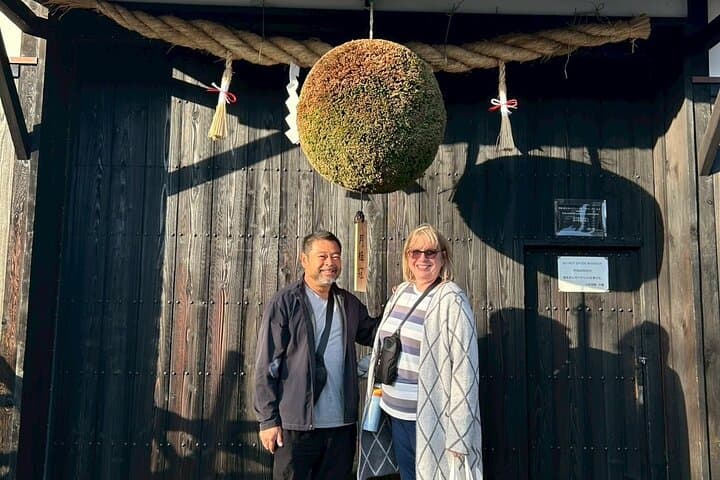
A chill evening air carries the scent of steamed rice as you step off the train in Fushimi, Kyoto’s low-lying sake district. Narrow lanes open to warehouse façades, wooden breweries with kanji plaques and the soft clink of glasses—this three-hour circuit threads you through production rooms, a small sake museum and a compact local bar where cups are topped and compared.
A chill evening air carries the scent of steamed rice as you step off the train in Fushimi, Kyoto’s low-lying sake district. Narrow lanes open to warehouse façades, wooden breweries with kanji plaques and the soft clink of glasses—this three-hour circuit threads you through production rooms, a small sake museum and a compact local bar where cups are topped and compared.
Fushimi’s place in sake history comes from water as much as craft. The area sits on alluvial deposits from the Yamashiro Basin; the soft underground water here makes for sweeter, rounder sakes compared with harder-water regions. Breweries in Fushimi rose alongside Kyoto’s merchant culture in the Edo and Meiji periods, supplying temples, festivals and court life. Expect discussions of rice polishing ratios, fermentation methods and seasonal presses as guides explain names like ginjo, daiginjo, nama (unpasteurized) and nigori (unfiltered).
The tour balances tasting with context: you’ll visit two breweries—often including a museum stop—then finish at a small bar, sampling around ten varieties to note texture, acidity and rice character. Guides translate labels and suggest pairings: pickled vegetables, grilled fish or simple sashimi.
Practical notes: bring government ID (Japan’s legal drinking age is 20), wear comfortable shoes for short walks between venues, and pace yourself—spittoons are uncommon, so sip and hydrate. Public transport is convenient; Fushimi-Momoyama or Fushimi Inari stations are common meeting points. If you have allergies or are pregnant, tell the operator ahead of time. This is an accessible, sensory way to learn sake’s language while tracing the water and history that shape Kyoto’s signature brews.