THE ADVENTURE COLLECTIVE® · Independent discovery and booking for outdoor travel

A compact half-day tour of Gaborone that pairs the Three Dikgosi Monument with Old Naledi, university precincts, and lesser-known memorials—ideal for travelers who want local stories and practical context in four to six hours.
A compact half-day tour of Gaborone that pairs the Three Dikgosi Monument with Old Naledi, university precincts, and lesser-known memorials—ideal for travelers who want local stories and practical context in four to six hours.
The city unfurls in ochre and concrete, a heat-slick boulevard leading to bronze figures that stare across the lowveld. On a half-day sweep of Gaborone you move between monuments, markets and quiet gardens—an urban route that reads like the country’s civic memory.
Verified experiences and guided adventures in the surrounding area.
Operated by VielGluck Holiday & Travel · Gaborone, South-East District
The city unfurls in ochre and concrete, a heat-slick boulevard leading to bronze figures that stare across the lowveld. On a half-day sweep of Gaborone you move between monuments, markets and quiet gardens—an urban route that reads like the country’s civic memory.
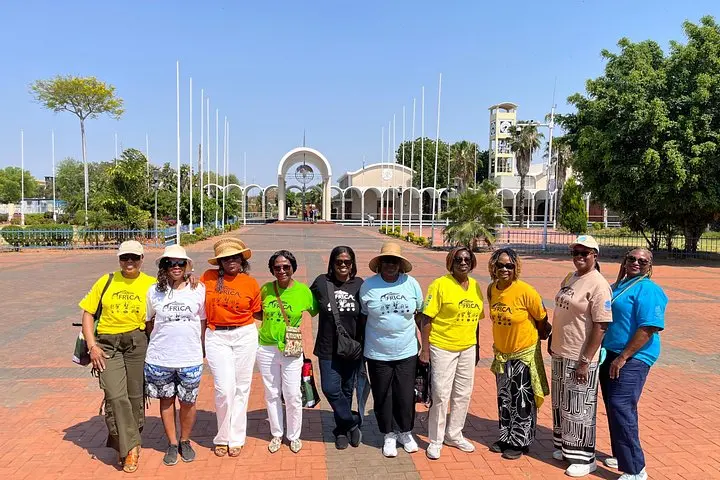
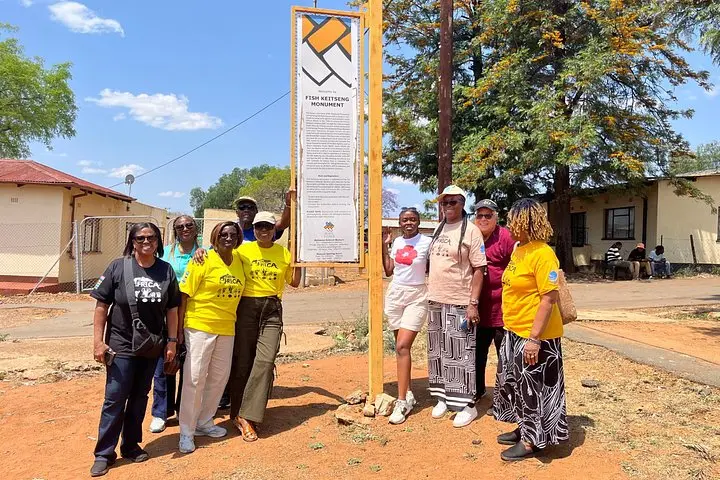
Start at the Three Dikgosi Monument, bronze chiefs facing the capital, and feel how Botswana’s modern identity was hammered out through negotiation rather than conquest. From there the route threads through Old Naledi’s compact streets—where community life and post-independence urban planning meet—the National Assembly’s modernist lines, and quieter, reflective sites such as Extension 10 cemetery and the repatriation memorial at Tsholofelo Park.
Geology here is subtle: sandy, red soils over a gently rolling basaltic plain that shapes drainage and vegetation. Cultural notes come quickly—University lectures, the legacy of agricultural silos, and Phakalane’s manicured fairways speak to divergent post-colonial paths: education, food security and gated leisure.
Practical guidance: plan for sun and walking between short stops; the operator supplies bottled water and an air-conditioned vehicle for longer hops. Expect a mostly paved itinerary with occasional gravel at memorials and gardens. Photography is welcomed but be respectful at cemeteries and memorials. Mornings are cooler and less crowded; late-afternoon light gives bronze and brick a warm hue.
This tour fits travelers who want historical context delivered by local guides in a compact, accessible format—four to six hours that lays out the civic story of Botswana alongside everyday urban life.
The tour runs about 4–6 hours depending on group pace and traffic between sites.
Yes—an air-conditioned vehicle is provided for longer transfers; short walks are on foot.
Many stops are accessible or near drop-off points, but some memorial grounds may have gravel or steps—check with the operator for specifics.
Guides typically speak English and often local languages; the tour emphasizes local interpretation and stories.
VielGluck Holiday & Travel operates guided outdoor trips and adventures with an emphasis on safety, stewardship, and memorable experiences.
The city unfurls in ochre and concrete, a heat-slick boulevard leading to bronze figures that stare across the lowveld. On a half-day sweep of Gaborone you move between monuments, markets and quiet gardens—an urban route that reads like the country’s civic memory.
The city unfurls in ochre and concrete, a heat-slick boulevard leading to bronze figures that stare across the lowveld. On a half-day sweep of Gaborone you move between monuments, markets and quiet gardens—an urban route that reads like the country’s civic memory.
Start at the Three Dikgosi Monument, bronze chiefs facing the capital, and feel how Botswana’s modern identity was hammered out through negotiation rather than conquest. From there the route threads through Old Naledi’s compact streets—where community life and post-independence urban planning meet—the National Assembly’s modernist lines, and quieter, reflective sites such as Extension 10 cemetery and the repatriation memorial at Tsholofelo Park.
Geology here is subtle: sandy, red soils over a gently rolling basaltic plain that shapes drainage and vegetation. Cultural notes come quickly—University lectures, the legacy of agricultural silos, and Phakalane’s manicured fairways speak to divergent post-colonial paths: education, food security and gated leisure.
Practical guidance: plan for sun and walking between short stops; the operator supplies bottled water and an air-conditioned vehicle for longer hops. Expect a mostly paved itinerary with occasional gravel at memorials and gardens. Photography is welcomed but be respectful at cemeteries and memorials. Mornings are cooler and less crowded; late-afternoon light gives bronze and brick a warm hue.
This tour fits travelers who want historical context delivered by local guides in a compact, accessible format—four to six hours that lays out the civic story of Botswana alongside everyday urban life.