
Galápagos 4-Day Isabela & Santa Cruz: Volcano Hike, Snorkel & Giant Tortoises
A concentrated four-day circuit linking Santa Cruz and Isabela: hike Sierra Negra’s crater rim, snorkel with sea lions at Concha Perla, and visit the Charles Darwin Research Station to see giant tortoises up close.
An Adventure In Puerto Ayora.
A concentrated four-day circuit linking Santa Cruz and Isabela: hike Sierra Negra’s crater rim, snorkel with sea lions at Concha Perla, and visit the Charles Darwin Research Station to see giant tortoises up close.
Read the full experience
You step off the small public boat into a warm wind that seems to be keeping watch over Isabela’s black-lava shores. Sea lions eye the dock, salt and sunlight cling to your jacket, and the itinerary hands you a concentrated slice of the Galápagos — volcanic rims, tidal flats, and the slow, deliberate life of giant tortoises.
You step off the small public boat into a warm wind that seems to be keeping watch over Isabela’s black-lava shores. Sea lions eye the dock, salt and sunlight cling to your jacket, and the itinerary hands you a concentrated slice of the Galápagos — volcanic rims, tidal flats, and the slow, deliberate life of giant tortoises.
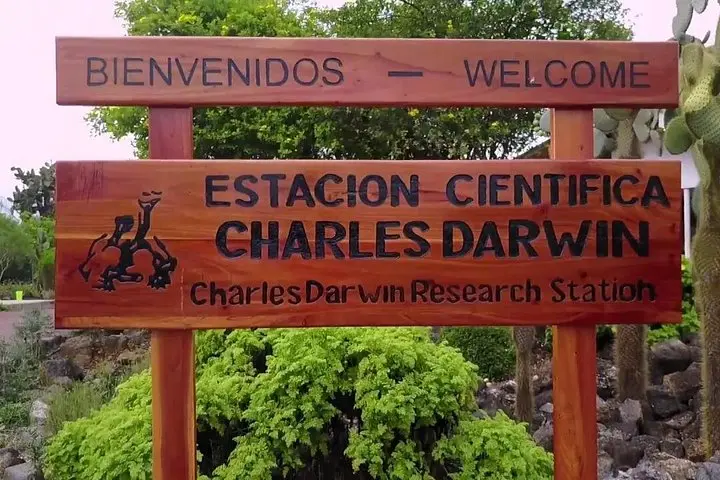
This four-day route threads two islands historically central to Darwin’s work. Sierra Negra’s shield volcano dominates Isabela: a caldera roughly 6 miles across, formed by successive lava flows and collapse. Santa Cruz balances human settlement — Puerto Ayora’s working port and the Charles Darwin Research Station — with agricultural highlands where tortoises roam seasonal moors.
Expect geology up close: pahoehoe and ʻaʻā flows, collapsed twin craters at Los Gemelos, and coastal fringes alive with marine life. Culture here is small-scale and service-oriented; local guides blend natural-history talk with practical logistics — boat schedules and park rules shape the day as much as tides.
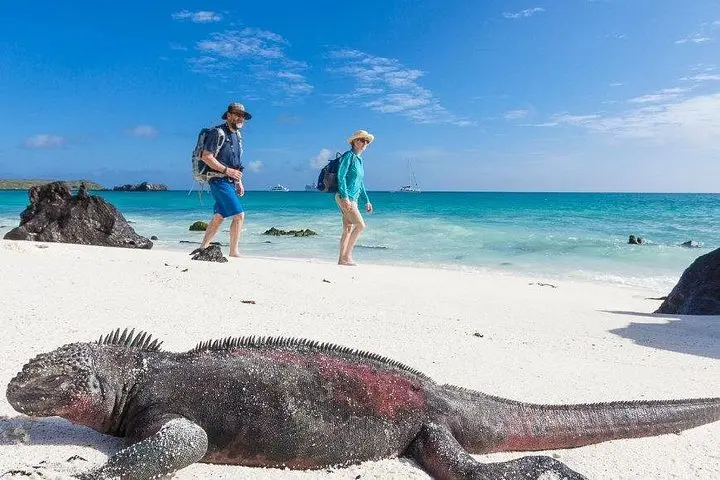
Practical side: the Sierra Negra hike is about 4 hours round-trip, starting near 870 m and cresting around 1,040 m, on dusty volcanic trails; light-to-moderate fitness makes it achievable. Snorkel stops at Concha Perla reveal sea turtles, reef fish, and playful sea lions; bring reef-safe sunscreen and a dry bag. Island weather shifts quickly — the sun will push and the cool Humboldt current will pull — so layer, hydrate, and plan morning departures to match boat times. Park fees, species regulations, and biosecurity checks are standard; follow guide instructions to protect this fragile archipelago.
Frequently asked questions
Yes — visitors pay an entrance fee on arrival to the Galápagos National Park; guides typically handle logistics but carry cash for park fees.
The trail is moderate: roughly 4 hours round-trip, with dusty volcanic terrain and about 170 m net elevation gain, suitable for most hikers in reasonable shape.
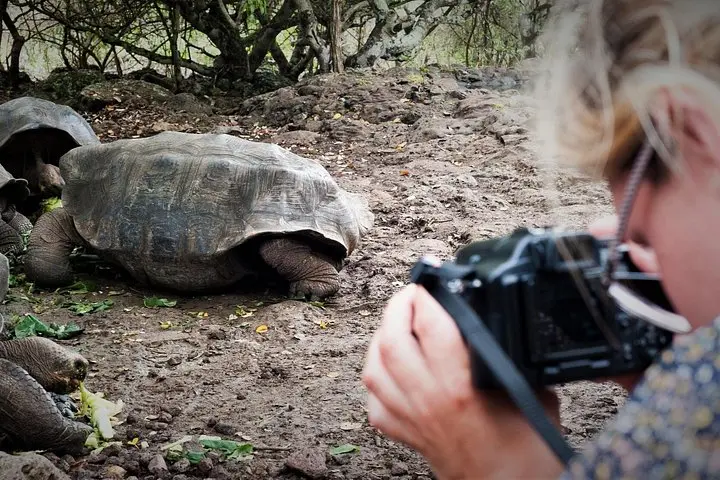
Yes — the itinerary includes the Charles Darwin Research Station and highland areas where tortoises are commonly seen in semi-wild enclosures and natural habitat.
Public pangas are the standard; crossings can be bumpy depending on swell — take motion-sickness meds if you’re prone and follow crew safety briefings.
About This Experience
BM TOURS SA operates guided outdoor trips and adventures with an emphasis on safety, stewardship, and memorable experiences.
Adventure tips
Recommended gear
- Sturdy hiking shoes: Grippy shoes handle rocky volcanic trails and uneven paths at Sierra Negra.
- Light snorkel set (mask, snorkel): Personal gear ensures fit and hygiene for Concha Perla snorkeling.
- Dry bag (10L): Keeps electronics and spare layers dry during boat transfers and beach landings.
- Reef-safe sunscreen and sun hat: Protects skin while minimizing impact on marine life.
Photos of the experience
Related adventures & guides
Read the full experience
You step off the small public boat into a warm wind that seems to be keeping watch over Isabela’s black-lava shores. Sea lions eye the dock, salt and sunlight cling to your jacket, and the itinerary hands you a concentrated slice of the Galápagos — volcanic rims, tidal flats, and the slow, deliberate life of giant tortoises.
You step off the small public boat into a warm wind that seems to be keeping watch over Isabela’s black-lava shores. Sea lions eye the dock, salt and sunlight cling to your jacket, and the itinerary hands you a concentrated slice of the Galápagos — volcanic rims, tidal flats, and the slow, deliberate life of giant tortoises.
This four-day route threads two islands historically central to Darwin’s work. Sierra Negra’s shield volcano dominates Isabela: a caldera roughly 6 miles across, formed by successive lava flows and collapse. Santa Cruz balances human settlement — Puerto Ayora’s working port and the Charles Darwin Research Station — with agricultural highlands where tortoises roam seasonal moors.
Expect geology up close: pahoehoe and ʻaʻā flows, collapsed twin craters at Los Gemelos, and coastal fringes alive with marine life. Culture here is small-scale and service-oriented; local guides blend natural-history talk with practical logistics — boat schedules and park rules shape the day as much as tides.
Practical side: the Sierra Negra hike is about 4 hours round-trip, starting near 870 m and cresting around 1,040 m, on dusty volcanic trails; light-to-moderate fitness makes it achievable. Snorkel stops at Concha Perla reveal sea turtles, reef fish, and playful sea lions; bring reef-safe sunscreen and a dry bag. Island weather shifts quickly — the sun will push and the cool Humboldt current will pull — so layer, hydrate, and plan morning departures to match boat times. Park fees, species regulations, and biosecurity checks are standard; follow guide instructions to protect this fragile archipelago.
Make a day of it nearby.
Verified experiences and guided adventures in the surrounding area.