THE ADVENTURE COLLECTIVE® · Independent discovery and booking for outdoor travel

Four days of hotel-based exploration across San Cristóbal and Santa Cruz, combining iconic snorkeling at Kicker Rock with highland tortoise encounters and visits to the Charles Darwin Research Station. Practical, wildlife-forward itinerary for travelers with moderate fitness.
Four days of hotel-based exploration across San Cristóbal and Santa Cruz, combining iconic snorkeling at Kicker Rock with highland tortoise encounters and visits to the Charles Darwin Research Station. Practical, wildlife-forward itinerary for travelers with moderate fitness.
You step off the small plane into a bright, dry air that smells faintly of salt and volcanic rock — San Cristóbal’s low hills and blue surf frame Puerto Baquerizo Moreno as the first beat of a short, intense exploration.
Verified experiences and guided adventures in the surrounding area.
Operated by Galapagos Tours Nature Galapagos & Ecuador · Puerto Baquerizo Moreno, Galápagos
You step off the small plane into a bright, dry air that smells faintly of salt and volcanic rock — San Cristóbal’s low hills and blue surf frame Puerto Baquerizo Moreno as the first beat of a short, intense exploration.
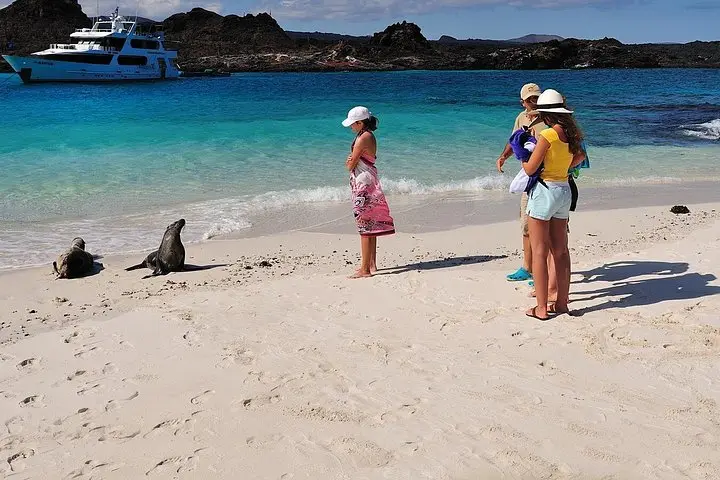
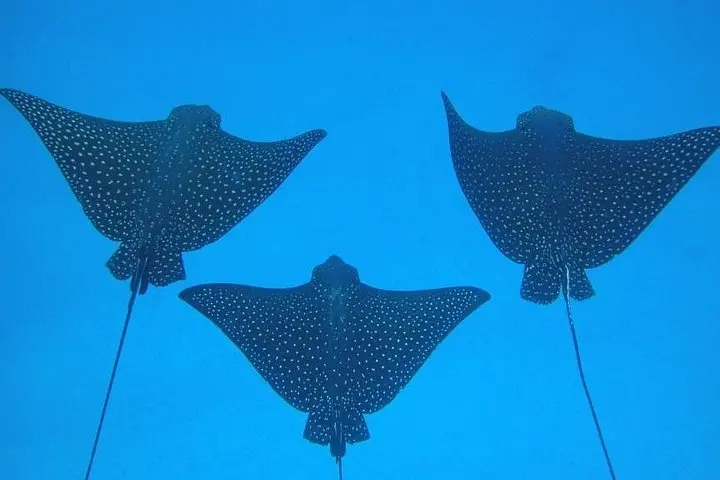
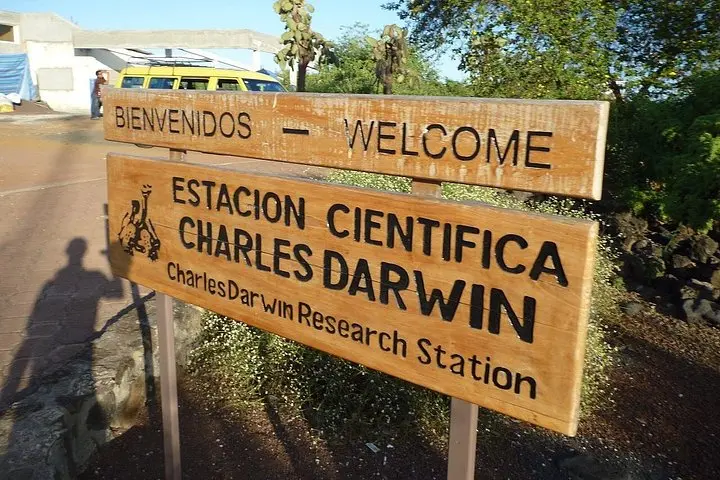
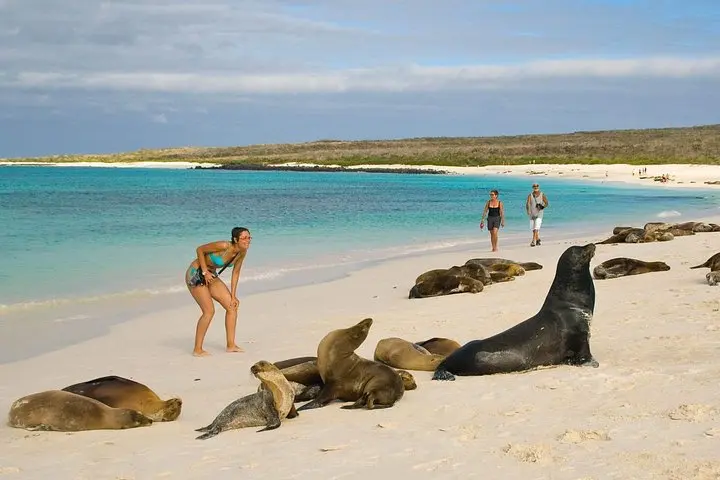
Across four days you’ll move between two islands by public speedboat, trade beachside swims for highland dirt tracks, and come face-to-face with animals that know no fear. On San Cristóbal the Interpretation Center and Playa Carola set the scene: sea lions lob about in the shallows while frigatebirds wheel over cliffs. Kicker Rock (León Dormido) slices the ocean; snorkeling here typically puts you beside sea lions, reef fish and occasionally reef sharks. On Santa Cruz the highlands hold cool, misty paddocks where giant tortoises amble and Darwin’s finches flit, and the Charles Darwin Research Station provides a close-up look at conservation in action.
Geologically these islands are young volcanic cones sitting on the Nazca Plate, which gives the terrain its black lava, steep cliffs and salt-scrub vegetation. Culturally, the human presence here is recent and tightly regulated — guides are certified and National Park rules shape every excursion.
Practical side: accommodations are hotel‑based by chosen class, guided activities are shared, and sea transfers are public. Bring reef‑safe sunscreen, a snug snorkel mask, light layers for coastal winds and a small daypack. Expect moderate walking, short boat rides that can be rolly — a seasickness pill helps. Book flights to match the itinerary timing (early arrival, midday-plus departure) and carry passport details for park permits. Travel here is sensory and efficient: intense wildlife encounters framed by clear logistics and conservation protocols.
Yes. Visitors pay the Galápagos National Park entrance fee upon arrival; this is separate from tour costs and supports conservation.
Yes. The itinerary includes public speedboat transfer from San Cristóbal to Puerto Ayora (Santa Cruz); guides do not accompany the boat rides.
Most snorkeling sites in this itinerary are accessible to beginners with a guide, but expect currents and variable visibility—basic swimming ability is recommended.
Three nights in hotels selected by class (Economic to First Class); rooms are private but guided activities are shared with other travelers.
Galapagos Tours Nature Galapagos & Ecuador operates guided outdoor trips and adventures with an emphasis on safety, stewardship, and memorable experiences.
You step off the small plane into a bright, dry air that smells faintly of salt and volcanic rock — San Cristóbal’s low hills and blue surf frame Puerto Baquerizo Moreno as the first beat of a short, intense exploration.
You step off the small plane into a bright, dry air that smells faintly of salt and volcanic rock — San Cristóbal’s low hills and blue surf frame Puerto Baquerizo Moreno as the first beat of a short, intense exploration.
Across four days you’ll move between two islands by public speedboat, trade beachside swims for highland dirt tracks, and come face-to-face with animals that know no fear. On San Cristóbal the Interpretation Center and Playa Carola set the scene: sea lions lob about in the shallows while frigatebirds wheel over cliffs. Kicker Rock (León Dormido) slices the ocean; snorkeling here typically puts you beside sea lions, reef fish and occasionally reef sharks. On Santa Cruz the highlands hold cool, misty paddocks where giant tortoises amble and Darwin’s finches flit, and the Charles Darwin Research Station provides a close-up look at conservation in action.
Geologically these islands are young volcanic cones sitting on the Nazca Plate, which gives the terrain its black lava, steep cliffs and salt-scrub vegetation. Culturally, the human presence here is recent and tightly regulated — guides are certified and National Park rules shape every excursion.
Practical side: accommodations are hotel‑based by chosen class, guided activities are shared, and sea transfers are public. Bring reef‑safe sunscreen, a snug snorkel mask, light layers for coastal winds and a small daypack. Expect moderate walking, short boat rides that can be rolly — a seasickness pill helps. Book flights to match the itinerary timing (early arrival, midday-plus departure) and carry passport details for park permits. Travel here is sensory and efficient: intense wildlife encounters framed by clear logistics and conservation protocols.