THE ADVENTURE COLLECTIVE® · Independent discovery and booking for outdoor travel

A compact 4-day land-and-sea circuit through three Galápagos islands: snorkel with sea lions and turtles, hike volcanic trails with sweeping ocean views, and experience evolutionary history up close. Practical tips on timing, gear, and what wildlife to expect.
A compact 4-day land-and-sea circuit through three Galápagos islands: snorkel with sea lions and turtles, hike volcanic trails with sweeping ocean views, and experience evolutionary history up close. Practical tips on timing, gear, and what wildlife to expect.
The zodiacs cut through glassy blue as lava ridges loom like the backbone of an ancient island. Onshore, low scrub and black volcanic rock give way to white sand beaches where sea lions stretch and preen, daring you to join their world. Over four days visitors move between islands—snorkeling with inquisitive sea lions, floating above coral gardens, and hiking short volcanic trails that open onto wide ocean panoramas.
Verified experiences and guided adventures in the surrounding area.
The zodiacs cut through glassy blue as lava ridges loom like the backbone of an ancient island. Onshore, low scrub and black volcanic rock give way to white sand beaches where sea lions stretch and preen, daring you to join their world. Over four days visitors move between islands—snorkeling with inquisitive sea lions, floating above coral gardens, and hiking short volcanic trails that open onto wide ocean panoramas.
The Galápagos are a geological mosaic: young shield volcanoes, hardened flows and tuff cones sculpted by waves and wind. This living laboratory of evolution is where Darwin pieced together natural selection; the islands' isolation created species and behaviors found nowhere else. Local communities on Santa Cruz and San Cristóbal keep a fishing culture alive alongside guiding and conservation work, blending practical island life with stewardship.
Expect active, varied days: morning snorkels (30–90 minutes) in nutrient-rich water, midday hikes of 1–5 miles with modest elevation gain (100–400 m), and short boat hops between visitor sites. Water temps swing with seasons—warmer in Dec–May, cooler with upwelling June–Nov—so a light wetsuit can extend comfort. Wildlife encounters are up-close but respectful distance rules apply; guides enforce paths and animal-free zones.
Practical guidance: bring reef-safe sunscreen, a comfortable mask (many tours supply gear), a light wetsuit in cooler months, sturdy trail shoes, and a small dry bag. Hydrate, use motion-sickness remedies if prone, and plan for early starts and quick changes between wet and dry activities. This compact land-and-sea loop maximizes wildlife viewing and geological variety in a short window, offering an efficient, immersive Galápagos primer.
You should be comfortable in open water and able to clear a mask; guides offer brief instruction and often provide gear.
Surface temps average 25–30°C (77–86°F) Dec–May and 20–25°C (68–77°F) Jun–Nov due to upwelling—bring a light wetsuit in the cooler season.
Yes—sea lions, marine iguanas, rays, and sea turtles commonly approach snorkelers and beaches, but keep distance and follow your guide's rules.
Visitors must pay the Galápagos National Park entrance fee and follow park regulations; tour operators typically handle permits and transfers.
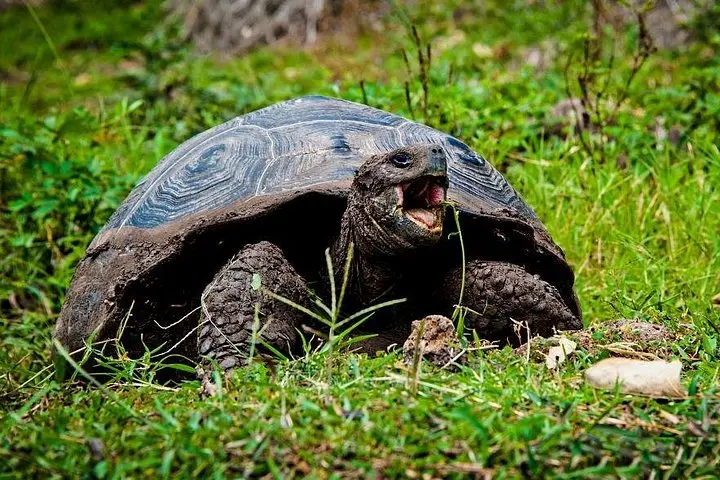
The zodiacs cut through glassy blue as lava ridges loom like the backbone of an ancient island. Onshore, low scrub and black volcanic rock give way to white sand beaches where sea lions stretch and preen, daring you to join their world. Over four days visitors move between islands—snorkeling with inquisitive sea lions, floating above coral gardens, and hiking short volcanic trails that open onto wide ocean panoramas.
The zodiacs cut through glassy blue as lava ridges loom like the backbone of an ancient island. Onshore, low scrub and black volcanic rock give way to white sand beaches where sea lions stretch and preen, daring you to join their world. Over four days visitors move between islands—snorkeling with inquisitive sea lions, floating above coral gardens, and hiking short volcanic trails that open onto wide ocean panoramas.
The Galápagos are a geological mosaic: young shield volcanoes, hardened flows and tuff cones sculpted by waves and wind. This living laboratory of evolution is where Darwin pieced together natural selection; the islands' isolation created species and behaviors found nowhere else. Local communities on Santa Cruz and San Cristóbal keep a fishing culture alive alongside guiding and conservation work, blending practical island life with stewardship.
Expect active, varied days: morning snorkels (30–90 minutes) in nutrient-rich water, midday hikes of 1–5 miles with modest elevation gain (100–400 m), and short boat hops between visitor sites. Water temps swing with seasons—warmer in Dec–May, cooler with upwelling June–Nov—so a light wetsuit can extend comfort. Wildlife encounters are up-close but respectful distance rules apply; guides enforce paths and animal-free zones.
Practical guidance: bring reef-safe sunscreen, a comfortable mask (many tours supply gear), a light wetsuit in cooler months, sturdy trail shoes, and a small dry bag. Hydrate, use motion-sickness remedies if prone, and plan for early starts and quick changes between wet and dry activities. This compact land-and-sea loop maximizes wildlife viewing and geological variety in a short window, offering an efficient, immersive Galápagos primer.