THE ADVENTURE COLLECTIVE® · Independent discovery and booking for outdoor travel

Move between shore and sea on a five‑day Santa Cruz program that pairs on‑water day tours to Bartholomew, North Seymour and South Plaza with highland tortoise encounters and a visit to the Charles Darwin Research Station. Certified naturalists, snorkeling, and shore hikes shape every day.
Move between shore and sea on a five‑day Santa Cruz program that pairs on‑water day tours to Bartholomew, North Seymour and South Plaza with highland tortoise encounters and a visit to the Charles Darwin Research Station. Certified naturalists, snorkeling, and shore hikes shape every day.
You step off the small ferry into the bright bustle of Puerto Ayora and the Pacific immediately rearranges your pace—salt on the air, pelicans eyeing the docks, and a compact town that feels built to move visitors from shore to sea.
Verified experiences and guided adventures in the surrounding area.
Operated by Galapagos a la Carte · Puerto Ayora, Galápagos
You step off the small ferry into the bright bustle of Puerto Ayora and the Pacific immediately rearranges your pace—salt on the air, pelicans eyeing the docks, and a compact town that feels built to move visitors from shore to sea.
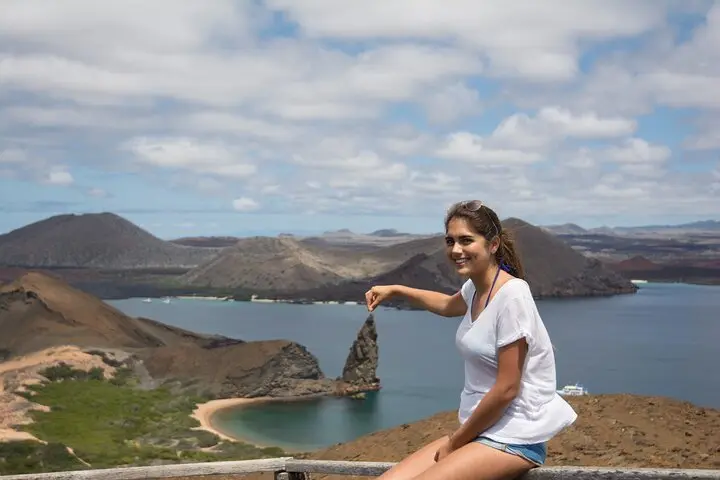
This five-day program centers on Santa Cruz Island with daily yacht departures to iconic sites: Bartholomew’s pinnacle rock, the frigate‑bird colonies of North Seymour, and the red carpets of South Plaza. Inland, the Santa Cruz highlands tell a different geological story—Los Gemelos’ collapse craters, polished lava tunnels, and shaded ranchlands where giant tortoises graze. The Charles Darwin Research Station provides cultural and scientific context: conservation, captive-breeding, and the islands’ human history are as much part of the visit as wildlife viewing.
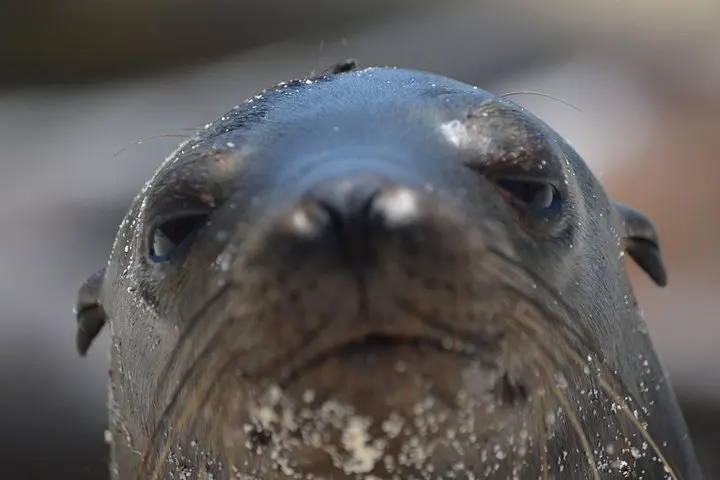
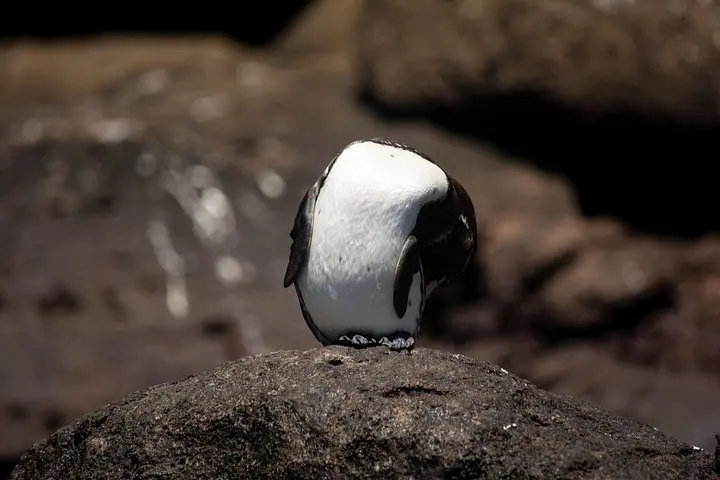
Geology is visible at every turn—cooled pahoehoe flows, ash deposits, and sculpted volcanic cones—while currents sculpt the marine life you’ll see when you slip into the water: penguins, rays, turtles and reef sharks that treat the shallows like a thoroughfare.
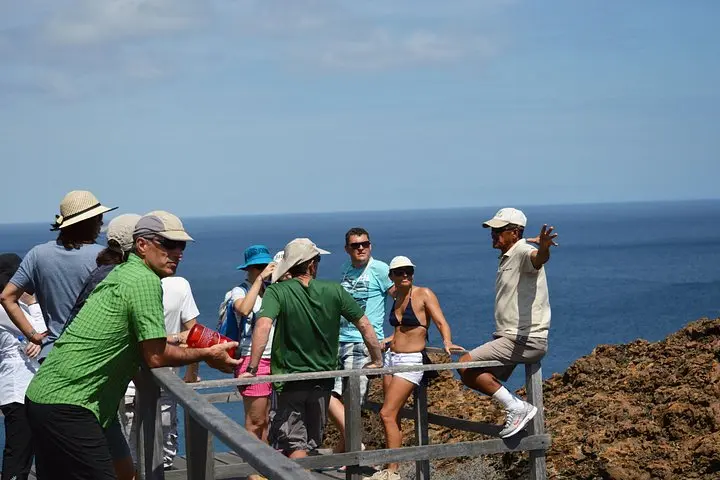
Practicalities: days run from early departures at the Itabaca Canal to mid‑afternoon returns; expect 1–2 hour crossings and multiple short hikes on wooden trails and stairs. Certified naturalist guides lead outings; snorkel gear and wetsuits are provided. Bring reef‑safe sunscreen, sturdy trail shoes for the highlands, and seasickness medication if you’re prone to motion discomfort. Watch national park rules—stay on paths, keep distance from animals, and carry reusable water: the islands are fragile and the best visits leave no trace.
Not always included—most operators require the park entrance fee and the Ecuadorian Transit Control Card to be paid separately at the airport or point of entry.
Crossings vary by route and weather; Bartholomew is roughly 1.5–2 hours, others 45–90 minutes—conditions can be choppy, so plan for motion sickness if sensitive.
Yes—snorkel gear and guides are provided and shallow bays often host calm water, but basic swimming comfort is required and operator supervision is constant.
The highlands of Santa Cruz offer good chances to see tortoises roaming ranchlands and reserves; close encounters may occur during guided ranch visits.
Galapagos a la Carte operates guided outdoor trips and adventures with an emphasis on safety, stewardship, and memorable experiences.
You step off the small ferry into the bright bustle of Puerto Ayora and the Pacific immediately rearranges your pace—salt on the air, pelicans eyeing the docks, and a compact town that feels built to move visitors from shore to sea.
You step off the small ferry into the bright bustle of Puerto Ayora and the Pacific immediately rearranges your pace—salt on the air, pelicans eyeing the docks, and a compact town that feels built to move visitors from shore to sea.
This five-day program centers on Santa Cruz Island with daily yacht departures to iconic sites: Bartholomew’s pinnacle rock, the frigate‑bird colonies of North Seymour, and the red carpets of South Plaza. Inland, the Santa Cruz highlands tell a different geological story—Los Gemelos’ collapse craters, polished lava tunnels, and shaded ranchlands where giant tortoises graze. The Charles Darwin Research Station provides cultural and scientific context: conservation, captive-breeding, and the islands’ human history are as much part of the visit as wildlife viewing.
Geology is visible at every turn—cooled pahoehoe flows, ash deposits, and sculpted volcanic cones—while currents sculpt the marine life you’ll see when you slip into the water: penguins, rays, turtles and reef sharks that treat the shallows like a thoroughfare.
Practicalities: days run from early departures at the Itabaca Canal to mid‑afternoon returns; expect 1–2 hour crossings and multiple short hikes on wooden trails and stairs. Certified naturalist guides lead outings; snorkel gear and wetsuits are provided. Bring reef‑safe sunscreen, sturdy trail shoes for the highlands, and seasickness medication if you’re prone to motion discomfort. Watch national park rules—stay on paths, keep distance from animals, and carry reusable water: the islands are fragile and the best visits leave no trace.