THE ADVENTURE COLLECTIVE® · Independent discovery and booking for outdoor travel

Swap routine for a week of crater rims, lava arches and snorkeling with sea lions. This 8-day Santa Cruz–Isabela island hop pairs accessible hikes with marine encounters and interpretive visits to the Charles Darwin Research Station.
Swap routine for a week of crater rims, lava arches and snorkeling with sea lions. This 8-day Santa Cruz–Isabela island hop pairs accessible hikes with marine encounters and interpretive visits to the Charles Darwin Research Station.
The first light on Baltra tastes like salt and possibility. You step off the airport shuttle into a warm breeze that seems to know the itinerary by heart: mangroves and volcanic ridgelines, a chorus of sea lions, and trails that open onto crater rims. Over eight days the route stitches together two of the archipelago’s most varied islands—Santa Cruz’s humid highlands and Isabela’s raw volcanic spine—so each morning feels like a new chapter.
Verified experiences and guided adventures in the surrounding area.
Operated by Perfect Destiny · Puerto Ayora, Galápagos
The first light on Baltra tastes like salt and possibility. You step off the airport shuttle into a warm breeze that seems to know the itinerary by heart: mangroves and volcanic ridgelines, a chorus of sea lions, and trails that open onto crater rims. Over eight days the route stitches together two of the archipelago’s most varied islands—Santa Cruz’s humid highlands and Isabela’s raw volcanic spine—so each morning feels like a new chapter.
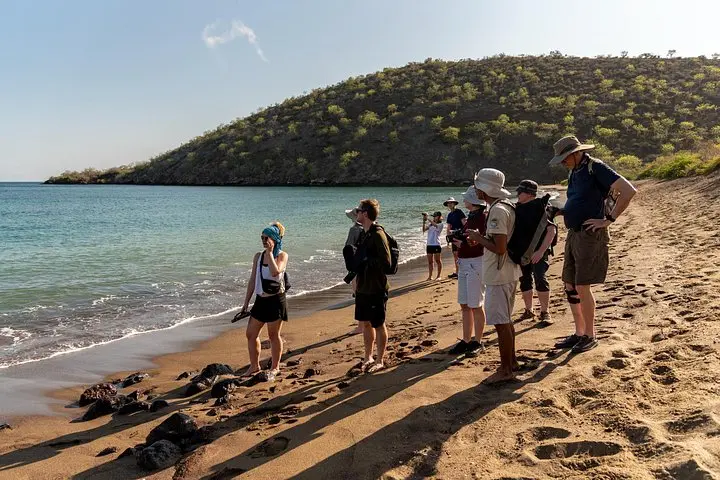
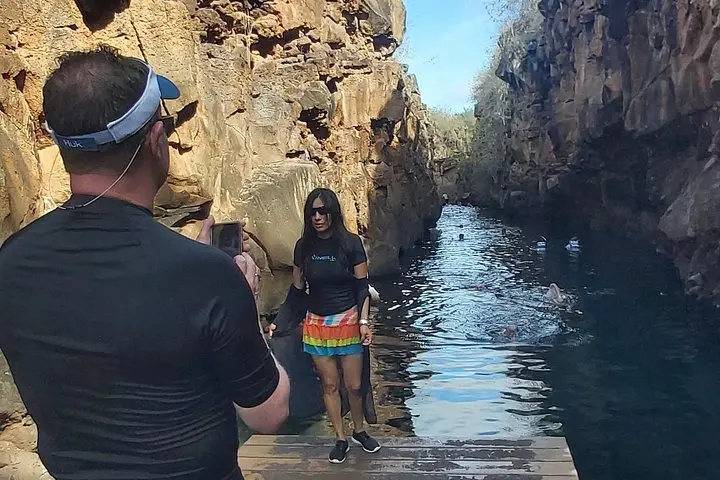
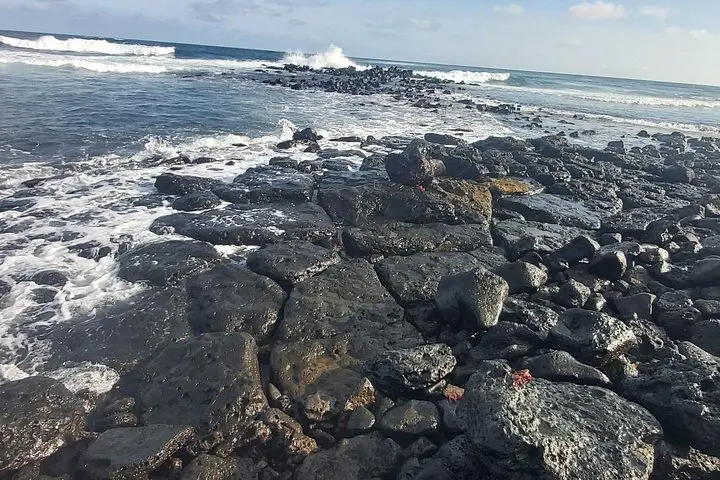
There’s a practical rhythm to the trip: short transfers, a couple of ferries, and a sequence of activities that alternate hikes with snorkeling and wildlife viewing. The Charles Darwin Research Station on Santa Cruz is an introduction to the islands’ conservation story—breeding programs, giant tortoises, and the human effort to manage tourism and introduced species. On Isabela, the landscape is geological theatre: black lava flows, lava tunnels that have collapsed into arches above luminous water, and the wide, steaming caldera of Sierra Negra, one of the most active volcanoes in the Galápagos.
Geology explains the scenery. Islands formed by submarine volcanism erupted into layered pahoehoe and ‘a‘a flows; later collapses and erosion carved the arches and tunnels you’ll cruise through on a panga. Ecology governs the encounters: nutrient-rich upwellings feed schools of fish and the predators that follow them—sea turtles, rays, and reef sharks—while the islands’ isolation has produced species you won’t see anywhere else.
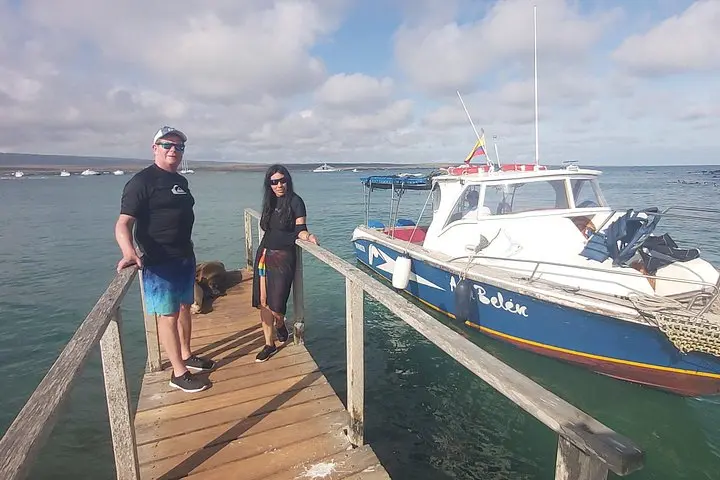
Daily life on the tour is straightforward and active. Expect an early start for the Sierra Negra trek (a roughly five-hour outing that begins with a 30-minute road transfer from Puerto Villamil), gentle wetland and shoreline walks, and several short boat excursions to lava formations and snorkeling sites. Accommodation switches between Puerto Ayora (Santa Cruz) and Puerto Villamil (Isabela), and most meals are included on activity days.
Practical edges matter: pack reef-safe sunscreen, a lightweight wetsuit if you get cold in the water, and small bills for park transit cards and local fees. If you like multi-sport trips that balance hiking cadence with marine time, this itinerary gives both—close encounters with marine iguanas and blue-footed boobies, salt-sprayed arches to paddle beneath, and a crater rim that reminds you these islands are still being shaped.
For travelers seeking an active, accessible introduction to Galápagos natural history—one that pairs classroom-style interpretation with hands-on snorkeling and trail time—this island-hopping loop is direct and well-paced. It asks for basic fitness, curiosity, and a readiness to follow a guide’s lead through fragile, protected places.
Yes—foreign visitors pay the Galápagos National Park entrance fee and a Transit Control Card on arrival; these are typically paid in cash at the airport or port.
Snorkeling outings are included on several days; basic snorkeling gear may be available but bringing your own mask and fins is recommended for fit and comfort.
The Sierra Negra walk is about five hours with mostly flat sections and some short climbs; moderate fitness is sufficient, and the trail begins after a 30‑minute road transfer.
Children can participate but must be accompanied by an adult; some operators set minimum ages for boat excursions—confirm at booking.
Bring a dry bag for electronics, layered clothing for wind and sun protection, and secure luggage for ferry limits (usually 2 bags plus a small carry-on per person).
Wetsuits are not included in the package; you can rent them locally or bring your own if you prefer a snug fit.
Perfect Destiny operates guided outdoor trips and adventures with an emphasis on safety, stewardship, and memorable experiences.
The first light on Baltra tastes like salt and possibility. You step off the airport shuttle into a warm breeze that seems to know the itinerary by heart: mangroves and volcanic ridgelines, a chorus of sea lions, and trails that open onto crater rims. Over eight days the route stitches together two of the archipelago’s most varied islands—Santa Cruz’s humid highlands and Isabela’s raw volcanic spine—so each morning feels like a new chapter.
The first light on Baltra tastes like salt and possibility. You step off the airport shuttle into a warm breeze that seems to know the itinerary by heart: mangroves and volcanic ridgelines, a chorus of sea lions, and trails that open onto crater rims. Over eight days the route stitches together two of the archipelago’s most varied islands—Santa Cruz’s humid highlands and Isabela’s raw volcanic spine—so each morning feels like a new chapter.
There’s a practical rhythm to the trip: short transfers, a couple of ferries, and a sequence of activities that alternate hikes with snorkeling and wildlife viewing. The Charles Darwin Research Station on Santa Cruz is an introduction to the islands’ conservation story—breeding programs, giant tortoises, and the human effort to manage tourism and introduced species. On Isabela, the landscape is geological theatre: black lava flows, lava tunnels that have collapsed into arches above luminous water, and the wide, steaming caldera of Sierra Negra, one of the most active volcanoes in the Galápagos.
Geology explains the scenery. Islands formed by submarine volcanism erupted into layered pahoehoe and ‘a‘a flows; later collapses and erosion carved the arches and tunnels you’ll cruise through on a panga. Ecology governs the encounters: nutrient-rich upwellings feed schools of fish and the predators that follow them—sea turtles, rays, and reef sharks—while the islands’ isolation has produced species you won’t see anywhere else.
Daily life on the tour is straightforward and active. Expect an early start for the Sierra Negra trek (a roughly five-hour outing that begins with a 30-minute road transfer from Puerto Villamil), gentle wetland and shoreline walks, and several short boat excursions to lava formations and snorkeling sites. Accommodation switches between Puerto Ayora (Santa Cruz) and Puerto Villamil (Isabela), and most meals are included on activity days.
Practical edges matter: pack reef-safe sunscreen, a lightweight wetsuit if you get cold in the water, and small bills for park transit cards and local fees. If you like multi-sport trips that balance hiking cadence with marine time, this itinerary gives both—close encounters with marine iguanas and blue-footed boobies, salt-sprayed arches to paddle beneath, and a crater rim that reminds you these islands are still being shaped.
For travelers seeking an active, accessible introduction to Galápagos natural history—one that pairs classroom-style interpretation with hands-on snorkeling and trail time—this island-hopping loop is direct and well-paced. It asks for basic fitness, curiosity, and a readiness to follow a guide’s lead through fragile, protected places.