THE ADVENTURE COLLECTIVE® · Independent discovery and booking for outdoor travel
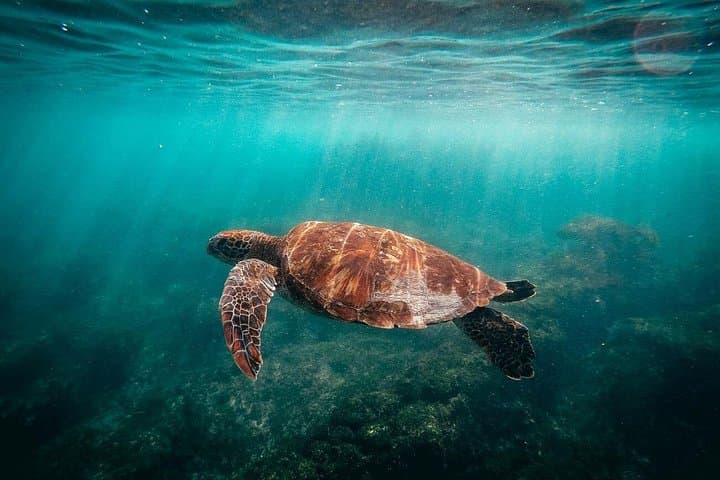
Spend eight days moving between San Cristóbal, Isabela, Floreana and Santa Cruz to snorkel with turtles, meet giant tortoises and hike volcanic craters. This trip pairs boat time with guided walks and conservation visits for a hands-on introduction to Galápagos ecology.
Spend eight days moving between San Cristóbal, Isabela, Floreana and Santa Cruz to snorkel with turtles, meet giant tortoises and hike volcanic craters. This trip pairs boat time with guided walks and conservation visits for a hands-on introduction to Galápagos ecology.
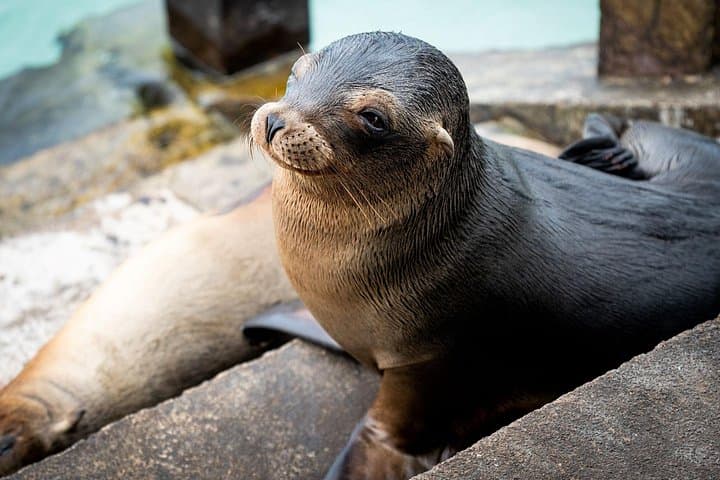
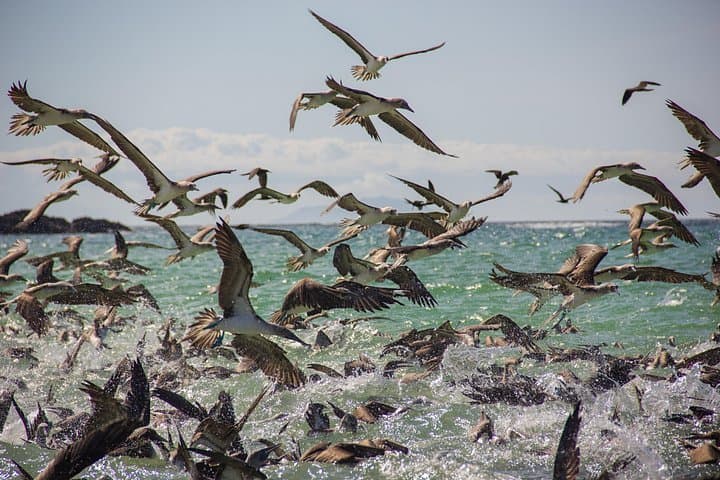
The morning light slices across a black lava shoreline as sea lions blink and claim the rocks; the boat engine hums and you feel the current tugging like a curious hand. This eight-day island-hopping route moves between San Cristóbal, Floreana, Isabela and Santa Cruz — each island an eccentric chapter of volcanic rock, wind-carved cliffs and unusual animals that treat humans as incidental scenery.
Verified experiences and guided adventures in the surrounding area.
Operated by Intrepid Travel Pty Ltd - Latin America · Puerto Baquerizo Moreno, Galápagos Province
The morning light slices across a black lava shoreline as sea lions blink and claim the rocks; the boat engine hums and you feel the current tugging like a curious hand. This eight-day island-hopping route moves between San Cristóbal, Floreana, Isabela and Santa Cruz — each island an eccentric chapter of volcanic rock, wind-carved cliffs and unusual animals that treat humans as incidental scenery.
Geology here is blunt and recent: shield volcanoes and pahoehoe lava create stark lava fields and the world’s second-largest volcanic crater at Sierra Negra. History shows Darwin’s footprints and later human attempts to live at the edge — from whalers to settlers — leaving small towns, interpretation centers and research stations that explain species recovery and ongoing invasive-species work.
Culture in the islands is pragmatic: fish markets, trapiches grinding sugar cane and family-run farms in the highlands supplying local dishes like encebollado. Naturalists guide most outings; conservation is part of every stop — from tortoise breeding centres to the Charles Darwin Research Station.
Practically, expect long speedboat crossings, multiple snorkels in strong currents, a 17 km rocky hike up Sierra Negra (5–6 hours) and several short Zodiac transfers. Bring reef-safe sunscreen, a snug mask and a 2-litre water bottle; plan for patchy Wi‑Fi and occasional cold showers. Seas can be rough June–August; pack layers and anti-nausea remedies if you’re prone to motion sickness. With moderate fitness and respectful behavior toward wildlife, this itinerary delivers sustained, close-up encounters with animals and landscapes you won’t forget.
Yes — confident swimming skills are required for snorkelling in areas with currents; flotation devices are available but guides expect basic capability in open water.
Park entrance fees and migration control cards are typically separate; confirm with your agent which fees are included and budget for local port or transit fees (e.g., Isabela port fee).
Minimum age is 15; travelers with significant cardiovascular issues, spinal injuries or pregnancy are advised not to join due to boat transfers and strenuous hikes.
Crossings can be bumpy, especially June–August; rides vary from calm to choppy depending on sea conditions — bring motion-sickness remedies if needed.
Intrepid Travel Pty Ltd - Latin America operates guided outdoor trips and adventures with an emphasis on safety, stewardship, and memorable experiences.
The morning light slices across a black lava shoreline as sea lions blink and claim the rocks; the boat engine hums and you feel the current tugging like a curious hand. This eight-day island-hopping route moves between San Cristóbal, Floreana, Isabela and Santa Cruz — each island an eccentric chapter of volcanic rock, wind-carved cliffs and unusual animals that treat humans as incidental scenery.
The morning light slices across a black lava shoreline as sea lions blink and claim the rocks; the boat engine hums and you feel the current tugging like a curious hand. This eight-day island-hopping route moves between San Cristóbal, Floreana, Isabela and Santa Cruz — each island an eccentric chapter of volcanic rock, wind-carved cliffs and unusual animals that treat humans as incidental scenery.
Geology here is blunt and recent: shield volcanoes and pahoehoe lava create stark lava fields and the world’s second-largest volcanic crater at Sierra Negra. History shows Darwin’s footprints and later human attempts to live at the edge — from whalers to settlers — leaving small towns, interpretation centers and research stations that explain species recovery and ongoing invasive-species work.
Culture in the islands is pragmatic: fish markets, trapiches grinding sugar cane and family-run farms in the highlands supplying local dishes like encebollado. Naturalists guide most outings; conservation is part of every stop — from tortoise breeding centres to the Charles Darwin Research Station.
Practically, expect long speedboat crossings, multiple snorkels in strong currents, a 17 km rocky hike up Sierra Negra (5–6 hours) and several short Zodiac transfers. Bring reef-safe sunscreen, a snug mask and a 2-litre water bottle; plan for patchy Wi‑Fi and occasional cold showers. Seas can be rough June–August; pack layers and anti-nausea remedies if you’re prone to motion sickness. With moderate fitness and respectful behavior toward wildlife, this itinerary delivers sustained, close-up encounters with animals and landscapes you won’t forget.
