THE ADVENTURE COLLECTIVE® · Independent discovery and booking for outdoor travel

Spend eight days island-hopping the Galápagos by yacht and short flights—snorkel with penguins, trace Kicker Rock’s dramatic profile, and visit giant tortoise recovery programs. This private tour combines guided marine excursions with free afternoons to explore Puerto Ayora and remote beaches.
Spend eight days island-hopping the Galápagos by yacht and short flights—snorkel with penguins, trace Kicker Rock’s dramatic profile, and visit giant tortoise recovery programs. This private tour combines guided marine excursions with free afternoons to explore Puerto Ayora and remote beaches.
The ferry coughs across the Itabaca Channel and the first scrubby volcanic ridges of Santa Cruz grind into view—black rock softened by salt, tide pools reflecting a sky that never quite feels far from the water. Within hours the private tour has deposited travelers in Puerto Ayora, luggage stowed, and the Galápagos begins to set its rules: move slowly, watch closely, and expect the animals to show you their own rhythms.
Verified experiences and guided adventures in the surrounding area.
Operated by ECOTURISMO Y DIVERSION GUAYAQUIL · Puerto Ayora, Galápagos
The ferry coughs across the Itabaca Channel and the first scrubby volcanic ridges of Santa Cruz grind into view—black rock softened by salt, tide pools reflecting a sky that never quite feels far from the water. Within hours the private tour has deposited travelers in Puerto Ayora, luggage stowed, and the Galápagos begins to set its rules: move slowly, watch closely, and expect the animals to show you their own rhythms.
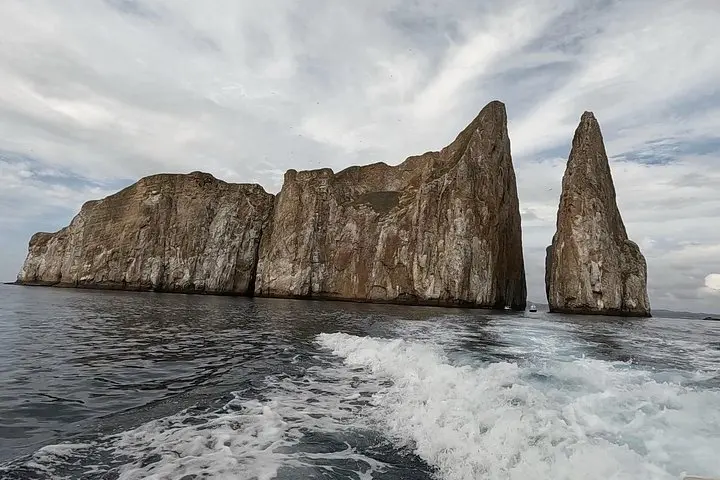
This eight-day private itinerary stitches together four islands—Santa Cruz, Isabela, Bartolomé and San Cristóbal—using short inter-island flights and yacht legs that range around 2½ to 3 hours. Geologically young and volcanic, the archipelago reads like a laboratory of lava flows, tuff cones and offshore stacks such as Kicker Rock, whose twin spires rise 148 meters from the sea. Darwin’s passage here in 1835 is the historical hook: the islands’ isolation allowed species to evolve without mainland pressure, and sites like the Charles Darwin Research Station in Puerto Ayora spotlight conservation work and giant tortoise recovery.
Culture on inhabited islands is pragmatic and maritime—small towns built around a harbor economy, with restaurants serving fresh fish and bakeries that shape morning life. Local guides are often fishermen-turned-naturalists who read currents and nesting cycles; their knowledge, more than a map, decides where the boat points next.
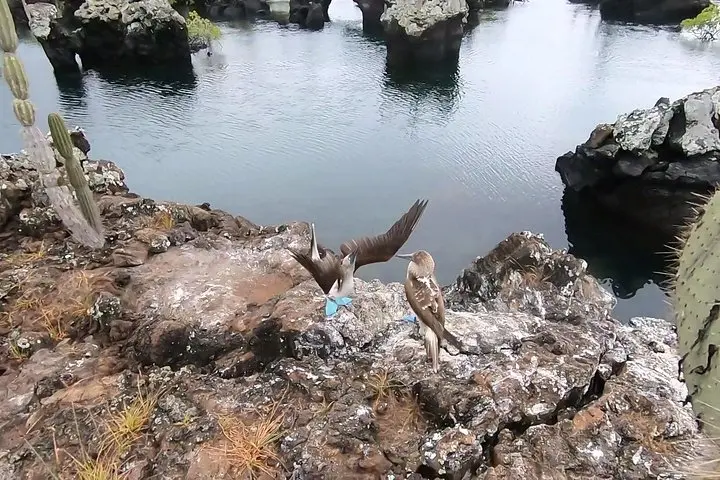
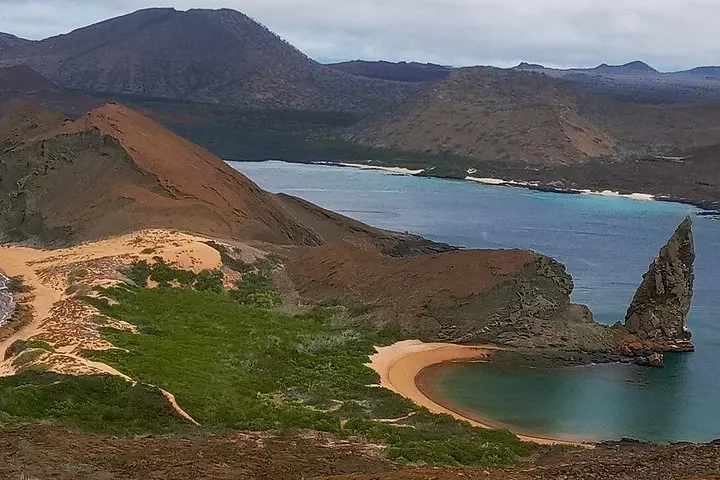
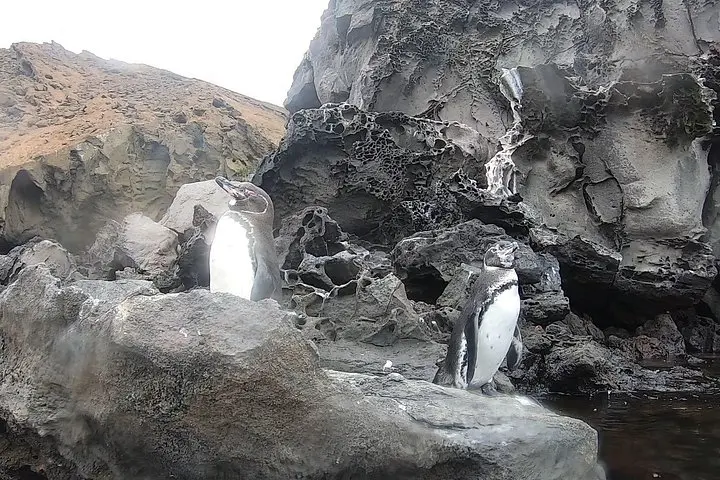
Practical guidance: days are active but accessible. Expect several yacht excursions with snorkeling stops—Los Túneles near Isabela and the Kicker Rock circuit on San Cristóbal are highlights; snorkeling gear is included on key days, though bringing a personal mask often improves fit. The Bartolomé visit includes a steep wooden stair climb to the summit viewpoint (roughly 300–360 steps) for lunar-like panoramas and close penguin encounters on the shore. Water temperatures vary seasonally: Dec–May brings warmer seas and calmer water; June–Nov brings upwelling and cooler, nutrient-rich conditions that attract larger marine species.
Plan for biosecurity procedures: footwear and packs may be inspected to prevent invasive species. Pack reef-safe sunscreen, a snug snorkel mask, a light waterproof layer for early mornings, and a daypack that stays dry. Bring cash in small denominations for souvenirs and tips; charging options are limited on smaller islands.
Logistics the operator covers: inter-island transfers, select breakfasts and lunches, accommodations in modest 3-star hotels, and air tickets between the islands and the mainland. The tour balances guided excursions—yacht cruises to Los Túneles, Tintoreras, Kicker Rock, and Bartolomé—with free afternoons for short hikes, snorkeling, or wandering Puerto Ayora’s pier and markets. For travelers who want wildlife close, move quietly; the animals are curious but also quick to retreat. In the Galápagos, patience is part of the itinerary—wait, watch and the islands will oblige.
Yes—inter-island air tickets noted in the itinerary are included in the tour price for the scheduled legs back to the mainland.
Generally yes; the tour is listed as suitable for all fitness levels, but parents should assess young children’s comfort with boat travel and snorkeling.
Park entry and transit control card fees are typically required on arrival—confirm whether they’re included or payable locally before travel.
Expect sea turtles, colorful reef fish, marine iguanas, rays, and often Galápagos sharks; hammerheads appear seasonally in some sites.
Very strict—boots, packs and luggage may be inspected to prevent invasive species; follow instructions to avoid delays.
This specific product lists all sales final with no refunds for cancellations—review terms carefully before booking.
ECOTURISMO Y DIVERSION GUAYAQUIL operates guided outdoor trips and adventures with an emphasis on safety, stewardship, and memorable experiences.
The ferry coughs across the Itabaca Channel and the first scrubby volcanic ridges of Santa Cruz grind into view—black rock softened by salt, tide pools reflecting a sky that never quite feels far from the water. Within hours the private tour has deposited travelers in Puerto Ayora, luggage stowed, and the Galápagos begins to set its rules: move slowly, watch closely, and expect the animals to show you their own rhythms.
The ferry coughs across the Itabaca Channel and the first scrubby volcanic ridges of Santa Cruz grind into view—black rock softened by salt, tide pools reflecting a sky that never quite feels far from the water. Within hours the private tour has deposited travelers in Puerto Ayora, luggage stowed, and the Galápagos begins to set its rules: move slowly, watch closely, and expect the animals to show you their own rhythms.
This eight-day private itinerary stitches together four islands—Santa Cruz, Isabela, Bartolomé and San Cristóbal—using short inter-island flights and yacht legs that range around 2½ to 3 hours. Geologically young and volcanic, the archipelago reads like a laboratory of lava flows, tuff cones and offshore stacks such as Kicker Rock, whose twin spires rise 148 meters from the sea. Darwin’s passage here in 1835 is the historical hook: the islands’ isolation allowed species to evolve without mainland pressure, and sites like the Charles Darwin Research Station in Puerto Ayora spotlight conservation work and giant tortoise recovery.
Culture on inhabited islands is pragmatic and maritime—small towns built around a harbor economy, with restaurants serving fresh fish and bakeries that shape morning life. Local guides are often fishermen-turned-naturalists who read currents and nesting cycles; their knowledge, more than a map, decides where the boat points next.
Practical guidance: days are active but accessible. Expect several yacht excursions with snorkeling stops—Los Túneles near Isabela and the Kicker Rock circuit on San Cristóbal are highlights; snorkeling gear is included on key days, though bringing a personal mask often improves fit. The Bartolomé visit includes a steep wooden stair climb to the summit viewpoint (roughly 300–360 steps) for lunar-like panoramas and close penguin encounters on the shore. Water temperatures vary seasonally: Dec–May brings warmer seas and calmer water; June–Nov brings upwelling and cooler, nutrient-rich conditions that attract larger marine species.
Plan for biosecurity procedures: footwear and packs may be inspected to prevent invasive species. Pack reef-safe sunscreen, a snug snorkel mask, a light waterproof layer for early mornings, and a daypack that stays dry. Bring cash in small denominations for souvenirs and tips; charging options are limited on smaller islands.
Logistics the operator covers: inter-island transfers, select breakfasts and lunches, accommodations in modest 3-star hotels, and air tickets between the islands and the mainland. The tour balances guided excursions—yacht cruises to Los Túneles, Tintoreras, Kicker Rock, and Bartolomé—with free afternoons for short hikes, snorkeling, or wandering Puerto Ayora’s pier and markets. For travelers who want wildlife close, move quietly; the animals are curious but also quick to retreat. In the Galápagos, patience is part of the itinerary—wait, watch and the islands will oblige.