THE ADVENTURE COLLECTIVE® · Independent discovery and booking for outdoor travel

A full-day private tour from the southern coast that pairs a tranquil Madu River boat safari and turtle hatchery visit with colonial history at Galle Dutch Fort and the coastal sight of stilt fishermen. Ideal for travelers based in Bentota and nearby towns.
A full-day private tour from the southern coast that pairs a tranquil Madu River boat safari and turtle hatchery visit with colonial history at Galle Dutch Fort and the coastal sight of stilt fishermen. Ideal for travelers based in Bentota and nearby towns.
You step off an air-conditioned van onto sun-warmed stone at Galle Fort, gulls calling where the fort meets the surf. The day unfurls from salt air to shaded mangrove channels: a private boat slips into the Madu River, mangrove roots brushing the hull like a cautious hand while kingfishers and brahminy kites circle overhead.
Verified experiences and guided adventures in the surrounding area.
Operated by Tony Tours · Galle, Southern Province
You step off an air-conditioned van onto sun-warmed stone at Galle Fort, gulls calling where the fort meets the surf. The day unfurls from salt air to shaded mangrove channels: a private boat slips into the Madu River, mangrove roots brushing the hull like a cautious hand while kingfishers and brahminy kites circle overhead.
This coastline carries layered history — Portuguese and Dutch colonial walls, British-era trade routes, and coastal communities shaped by gem mining and fishing. Geologically, the shoreline is a mix of sandy bays and rocky headlands; inland, riverine sediment feeds dense mangrove systems that shelter fish nurseries. Culturally, you’ll pass Meetiyagoda moonstone pits and a tsunami museum that remembers 2004 with measured exhibits rather than spectacle.
Expect a gentle day: a 1–1.5 hour river safari through twisting channels, a visit to a conservation-focused sea-turtle hatchery, a peek into moonstone mining operations, and a walk along Galle Fort’s ramparts. Stilt fishermen are more often observed than active participants; the tradition persists as a resilient coastal scene rather than a daily fishing regime.
Practical edge: bring sun protection, insect repellent, and a lightweight rain shell during the southwest monsoon. Wear sturdy sandals or trainers for uneven cobbles on the fort and slippery river docks. Hydrate—bottled water is provided—but carry small change for local crafts and snacks. The tour suits casual fitness levels and minimal technical skills, making it an accessible way to sample southern Sri Lanka’s wildlife, culture, and history in a single, well-paced day.
Yes—private pick-up and drop-off are included for hotels in Bentota, Induruwa, Kosgoda, Ahungalla, Aluthgama and nearby areas.
Some admissions such as the Madu River boat and the Kosgoda turtle hatchery are included; confirm specifics with your operator at booking.
Yes; the trip is family-friendly and the operator can provide infant seats—however, supervise children near water and on fort ramparts.
You can observe stilt fishermen along the coast, but the practice is less common as a livelihood today and often appears as short demonstrations for visitors.
Tony Tours operates guided outdoor trips and adventures with an emphasis on safety, stewardship, and memorable experiences.
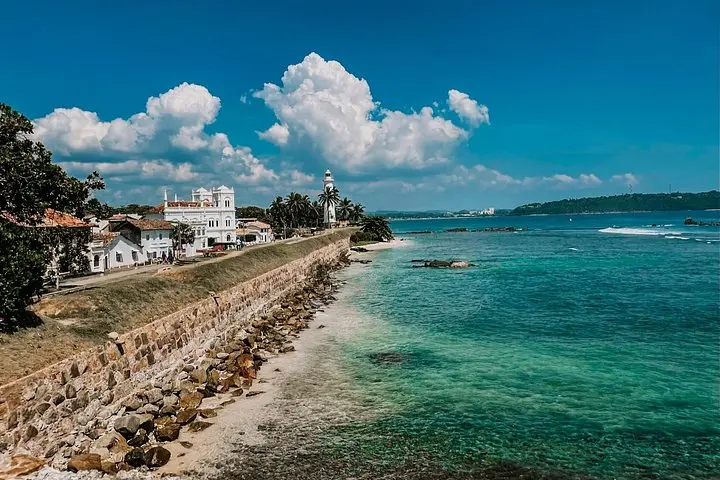
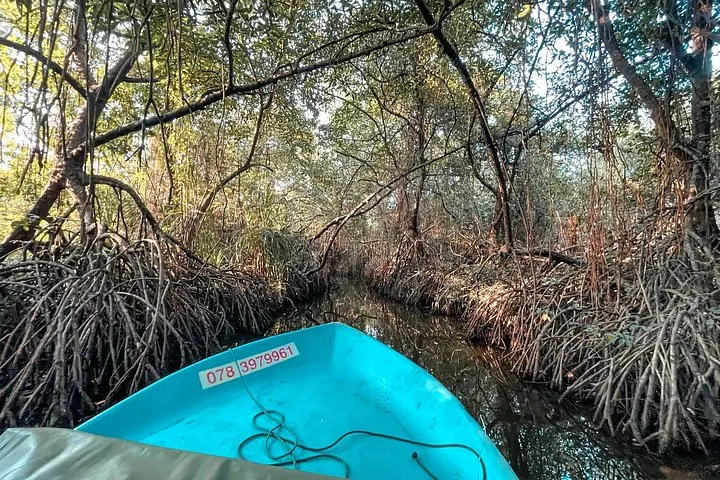
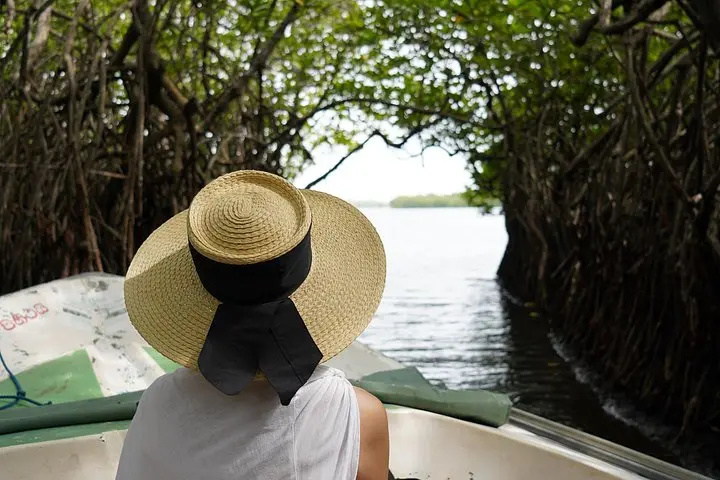
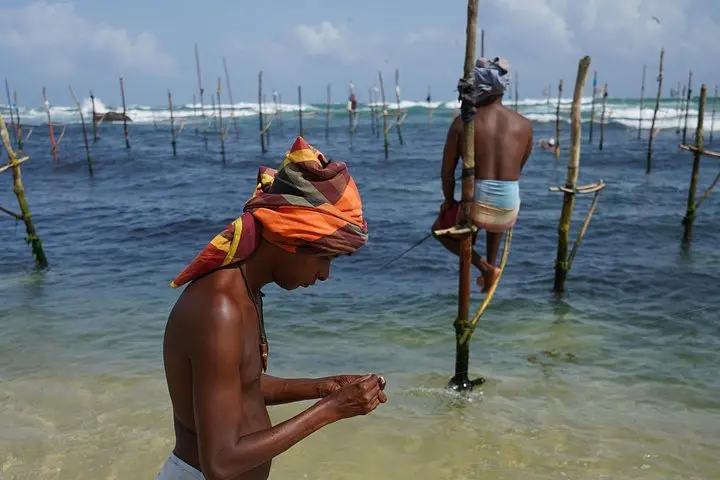
You step off an air-conditioned van onto sun-warmed stone at Galle Fort, gulls calling where the fort meets the surf. The day unfurls from salt air to shaded mangrove channels: a private boat slips into the Madu River, mangrove roots brushing the hull like a cautious hand while kingfishers and brahminy kites circle overhead.
You step off an air-conditioned van onto sun-warmed stone at Galle Fort, gulls calling where the fort meets the surf. The day unfurls from salt air to shaded mangrove channels: a private boat slips into the Madu River, mangrove roots brushing the hull like a cautious hand while kingfishers and brahminy kites circle overhead.
This coastline carries layered history — Portuguese and Dutch colonial walls, British-era trade routes, and coastal communities shaped by gem mining and fishing. Geologically, the shoreline is a mix of sandy bays and rocky headlands; inland, riverine sediment feeds dense mangrove systems that shelter fish nurseries. Culturally, you’ll pass Meetiyagoda moonstone pits and a tsunami museum that remembers 2004 with measured exhibits rather than spectacle.
Expect a gentle day: a 1–1.5 hour river safari through twisting channels, a visit to a conservation-focused sea-turtle hatchery, a peek into moonstone mining operations, and a walk along Galle Fort’s ramparts. Stilt fishermen are more often observed than active participants; the tradition persists as a resilient coastal scene rather than a daily fishing regime.
Practical edge: bring sun protection, insect repellent, and a lightweight rain shell during the southwest monsoon. Wear sturdy sandals or trainers for uneven cobbles on the fort and slippery river docks. Hydrate—bottled water is provided—but carry small change for local crafts and snacks. The tour suits casual fitness levels and minimal technical skills, making it an accessible way to sample southern Sri Lanka’s wildlife, culture, and history in a single, well-paced day.