THE ADVENTURE COLLECTIVE® · Independent discovery and booking for outdoor travel

Explore Galle’s 17th‑century fort, a white Peace Pagoda with 360° coastal views, a secluded Jungle Beach, and the iconic stilt fishermen of Koggala—plus a visit to a local turtle hatchery. This 3–5 hour day trip mixes cultural history, shoreline walks, and wildlife viewing.
Explore Galle’s 17th‑century fort, a white Peace Pagoda with 360° coastal views, a secluded Jungle Beach, and the iconic stilt fishermen of Koggala—plus a visit to a local turtle hatchery. This 3–5 hour day trip mixes cultural history, shoreline walks, and wildlife viewing.
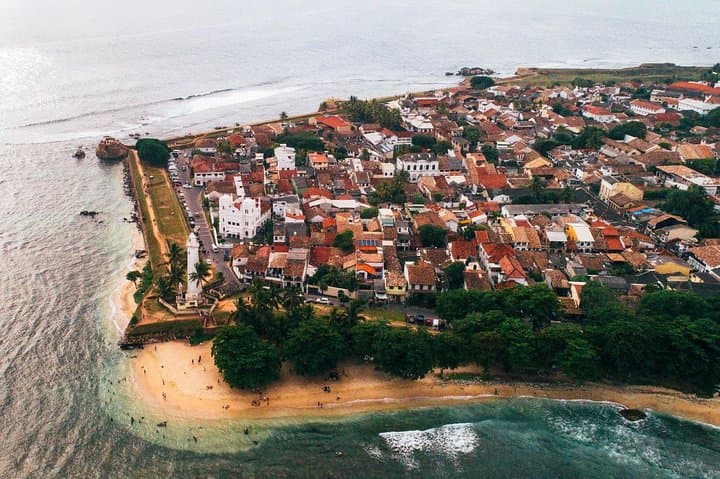
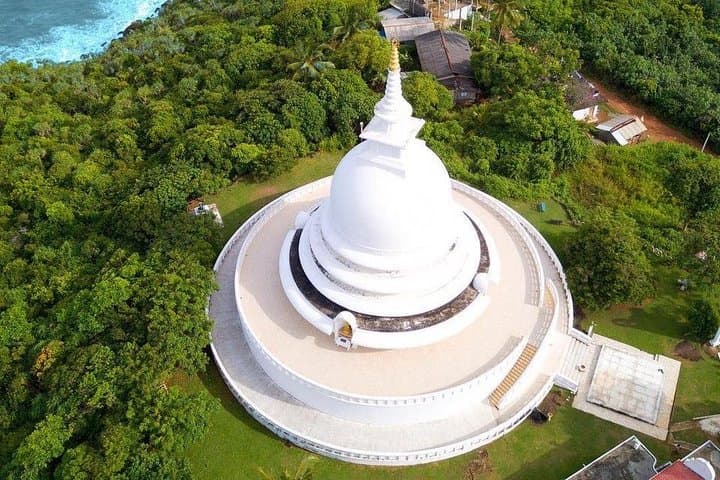
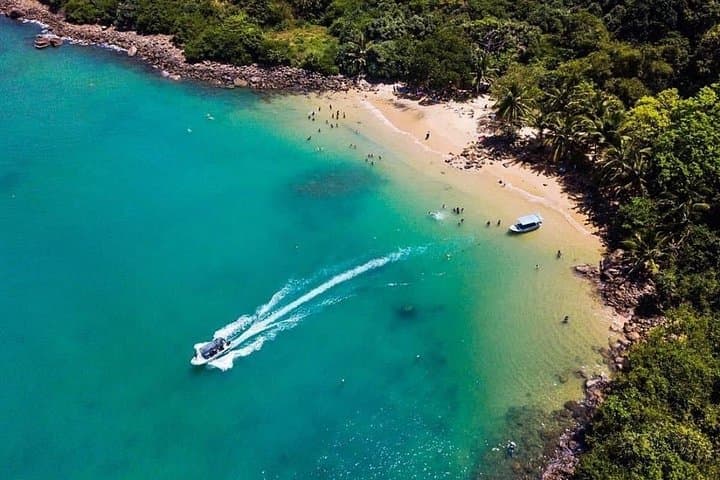
A morning drive along Sri Lanka’s southwest coast opens onto a sequence of coastal scenes—coral headlands, a white stupa on Rumassala Hill, and a low-walled fort that leans toward the sea. The tour moves deliberately: a short ride from Koggala or Unawatuna, a shaded approach to the Peace Pagoda, a stepped descent to Jungle Beach, and a stroll through the grid of 17th‑century Galle Fort.
Verified experiences and guided adventures in the surrounding area.
Operated by Down South Tours · Galle, Southern Province
A morning drive along Sri Lanka’s southwest coast opens onto a sequence of coastal scenes—coral headlands, a white stupa on Rumassala Hill, and a low-walled fort that leans toward the sea. The tour moves deliberately: a short ride from Koggala or Unawatuna, a shaded approach to the Peace Pagoda, a stepped descent to Jungle Beach, and a stroll through the grid of 17th‑century Galle Fort.
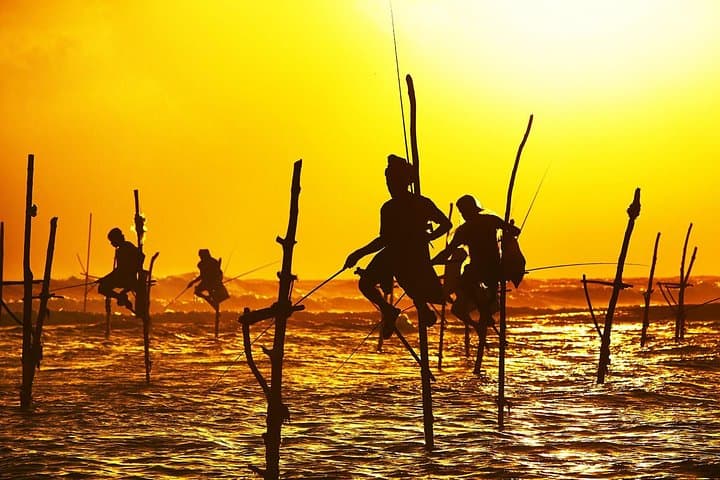
Galle’s fort began as a Portuguese defense in the early 1500s and was rebuilt with coral and granite by the Dutch in the 17th century; its streets and ramparts still show colonial masonry and maritime trade marks. Rumassala Hill is a mix of laterite rock and coastal sediment—its white stupa sits above forested slopes that drop to small coves. Along the coast, stilt fishermen perch on poles anchored in shallow surf, a post‑WWII technique shaped by tides and local fish behavior. Nearby hatcheries work with hawksbill and green turtles; conservation here focuses on relocating vulnerable nests and releasing hatchlings.
Expect mostly gentle walking: paved alleys in Galle, stone steps to the Peace Pagoda (≈100 m elevation gain overall), a sandy, uneven path down to Jungle Beach, and short shoreline wades near stilt fishermen. Photography is prime at dawn and late afternoon when light angles across the fort walls and the sea; mid‑day is hottest.
Practical tips: wear reef‑safe sunscreen and reef shoes for rocky entries, carry cash for hatchery donations, and allow 3–5 hours total including transfers. The trip balances cultural history, shoreline geology, and close‑up wildlife encounters—compact, accessible, and rich in coastal character.
The itinerary runs about 3–5 hours depending on pickup location and traffic, typically including time at the fort, Peace Pagoda, Jungle Beach, stilt fishermen, and the turtle hatchery.
Yes—Jungle Beach is suitable for swimming, but watch for rocks at the entry and check local conditions; wear reef shoes for safer footing.
Some fishermen are local practitioners who may allow photos; it’s courteous to ask and offer a small tip if you photograph them up close.
Generally yes—walking is gentle and sites are accessible, but parents should supervise beach entries and steps to the Peace Pagoda.
Down South Tours operates guided outdoor trips and adventures with an emphasis on safety, stewardship, and memorable experiences.
A morning drive along Sri Lanka’s southwest coast opens onto a sequence of coastal scenes—coral headlands, a white stupa on Rumassala Hill, and a low-walled fort that leans toward the sea. The tour moves deliberately: a short ride from Koggala or Unawatuna, a shaded approach to the Peace Pagoda, a stepped descent to Jungle Beach, and a stroll through the grid of 17th‑century Galle Fort.
A morning drive along Sri Lanka’s southwest coast opens onto a sequence of coastal scenes—coral headlands, a white stupa on Rumassala Hill, and a low-walled fort that leans toward the sea. The tour moves deliberately: a short ride from Koggala or Unawatuna, a shaded approach to the Peace Pagoda, a stepped descent to Jungle Beach, and a stroll through the grid of 17th‑century Galle Fort.
Galle’s fort began as a Portuguese defense in the early 1500s and was rebuilt with coral and granite by the Dutch in the 17th century; its streets and ramparts still show colonial masonry and maritime trade marks. Rumassala Hill is a mix of laterite rock and coastal sediment—its white stupa sits above forested slopes that drop to small coves. Along the coast, stilt fishermen perch on poles anchored in shallow surf, a post‑WWII technique shaped by tides and local fish behavior. Nearby hatcheries work with hawksbill and green turtles; conservation here focuses on relocating vulnerable nests and releasing hatchlings.
Expect mostly gentle walking: paved alleys in Galle, stone steps to the Peace Pagoda (≈100 m elevation gain overall), a sandy, uneven path down to Jungle Beach, and short shoreline wades near stilt fishermen. Photography is prime at dawn and late afternoon when light angles across the fort walls and the sea; mid‑day is hottest.
Practical tips: wear reef‑safe sunscreen and reef shoes for rocky entries, carry cash for hatchery donations, and allow 3–5 hours total including transfers. The trip balances cultural history, shoreline geology, and close‑up wildlife encounters—compact, accessible, and rich in coastal character.