THE ADVENTURE COLLECTIVE® · Independent discovery and booking for outdoor travel

Walk the battlements of a 17th-century fort, glide through Madu River mangroves, and visit a turtle hatchery on this 2-day private tour from Colombo. Expect colonial architecture, coastal geology, and hands-on local culture with practical tips for timing and gear.
Walk the battlements of a 17th-century fort, glide through Madu River mangroves, and visit a turtle hatchery on this 2-day private tour from Colombo. Expect colonial architecture, coastal geology, and hands-on local culture with practical tips for timing and gear.
You step off the van onto sun-warmed flagstones and the Indian Ocean presses a cool breeze across the ramparts. Salt spray and the sharp sound of gulls frame a walkable fortress where colonial architecture meets busy street life; vendors call, cafés spill out onto narrow lanes, and the sea dares you to look farther.
Verified experiences and guided adventures in the surrounding area.
Operated by stelaranholidays(pvt)Ltd · Galle, Southern Province
You step off the van onto sun-warmed flagstones and the Indian Ocean presses a cool breeze across the ramparts. Salt spray and the sharp sound of gulls frame a walkable fortress where colonial architecture meets busy street life; vendors call, cafés spill out onto narrow lanes, and the sea dares you to look farther.
Galle’s Dutch Fort dates to the 17th century when European powers reworked an earlier Portuguese settlement; its walls now carry layers of Portuguese, Dutch and British influence. Geologically the fort occupies a coastal headland shaped by reef and shore processes, while the nearby Madu River estuary—about 900 hectares—holds mangrove islets and a fragile wetland ecology.
Local culture mixes fishing families, shopkeepers selling handloom and spices, and small tea shops where conversation is as important as the brew. Moonstone mines at Meetiyagoda and spice gardens nearby add another practical chapter to the region’s trade history.
Practical guidance: plan early mornings or late afternoons to avoid peak heat; light, closed-toe shoes handle cobblestones and modest hikes to viewpoints. Bring reef-safe sunscreen and insect repellent before the Madu River boat, and a light rain layer during the southwest monsoon. Expect easy walking, short boat transfers, and short drives between sites; admissions to some attractions may not be included, so carry small cash in Sri Lankan rupees.
Conservation-minded travelers will note active turtle hatcheries and ongoing wetland protection—observe viewing rules and avoid disturbing nesting areas. Two days here combines history, shoreline geology and lowland wildlife into a compact coastal adventure.
Some admissions such as museum or special-site fees may not be included; the package covers transport, one night’s accommodation and select meals, but confirm specifics with your operator.
Galle is about 120–130 km from Colombo; expect roughly 2.5–3 hours by road depending on traffic and route.
Yes—this itinerary is family-friendly; infant seats are available and activities are low-impact, though supervision is required at beaches, hatcheries and boat rides.
Many hatcheries allow supervised releases when timing aligns with hatchling season, but staff direct interactions to protect the animals and ensure legality.
stelaranholidays(pvt)Ltd operates guided outdoor trips and adventures with an emphasis on safety, stewardship, and memorable experiences.
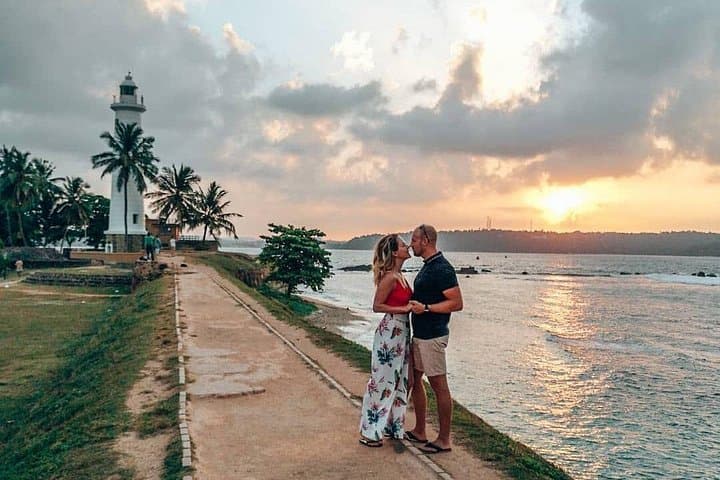
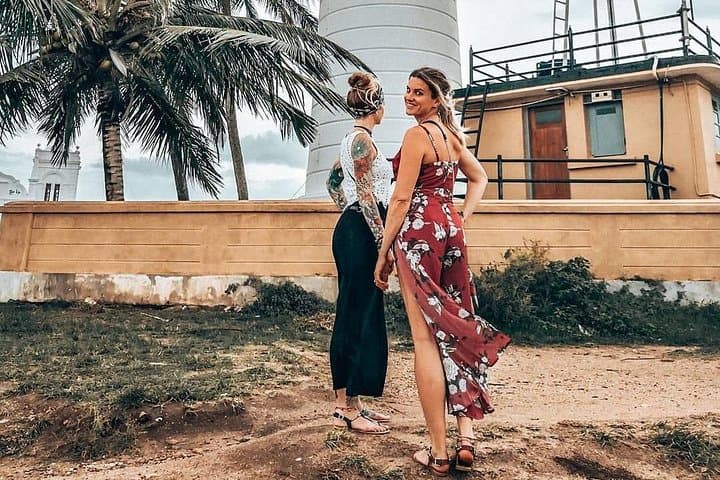
You step off the van onto sun-warmed flagstones and the Indian Ocean presses a cool breeze across the ramparts. Salt spray and the sharp sound of gulls frame a walkable fortress where colonial architecture meets busy street life; vendors call, cafés spill out onto narrow lanes, and the sea dares you to look farther.
You step off the van onto sun-warmed flagstones and the Indian Ocean presses a cool breeze across the ramparts. Salt spray and the sharp sound of gulls frame a walkable fortress where colonial architecture meets busy street life; vendors call, cafés spill out onto narrow lanes, and the sea dares you to look farther.
Galle’s Dutch Fort dates to the 17th century when European powers reworked an earlier Portuguese settlement; its walls now carry layers of Portuguese, Dutch and British influence. Geologically the fort occupies a coastal headland shaped by reef and shore processes, while the nearby Madu River estuary—about 900 hectares—holds mangrove islets and a fragile wetland ecology.
Local culture mixes fishing families, shopkeepers selling handloom and spices, and small tea shops where conversation is as important as the brew. Moonstone mines at Meetiyagoda and spice gardens nearby add another practical chapter to the region’s trade history.
Practical guidance: plan early mornings or late afternoons to avoid peak heat; light, closed-toe shoes handle cobblestones and modest hikes to viewpoints. Bring reef-safe sunscreen and insect repellent before the Madu River boat, and a light rain layer during the southwest monsoon. Expect easy walking, short boat transfers, and short drives between sites; admissions to some attractions may not be included, so carry small cash in Sri Lankan rupees.
Conservation-minded travelers will note active turtle hatcheries and ongoing wetland protection—observe viewing rules and avoid disturbing nesting areas. Two days here combines history, shoreline geology and lowland wildlife into a compact coastal adventure.