THE ADVENTURE COLLECTIVE® · Independent discovery and booking for outdoor travel

A full-day private tour links the UNESCO-listed Galle Fort with a tranquil boat ride on the Madu River. Expect colonial ramparts, cobbled lanes, mangrove channels and practical tips for an eight-hour cultural and nature-focused outing.
A full-day private tour links the UNESCO-listed Galle Fort with a tranquil boat ride on the Madu River. Expect colonial ramparts, cobbled lanes, mangrove channels and practical tips for an eight-hour cultural and nature-focused outing.
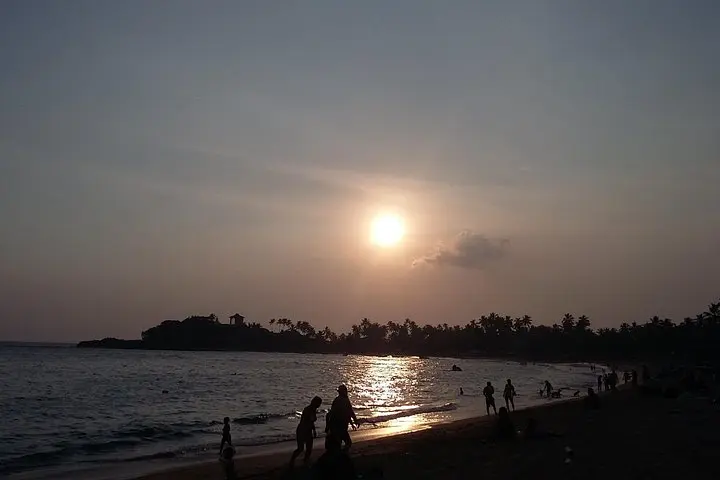
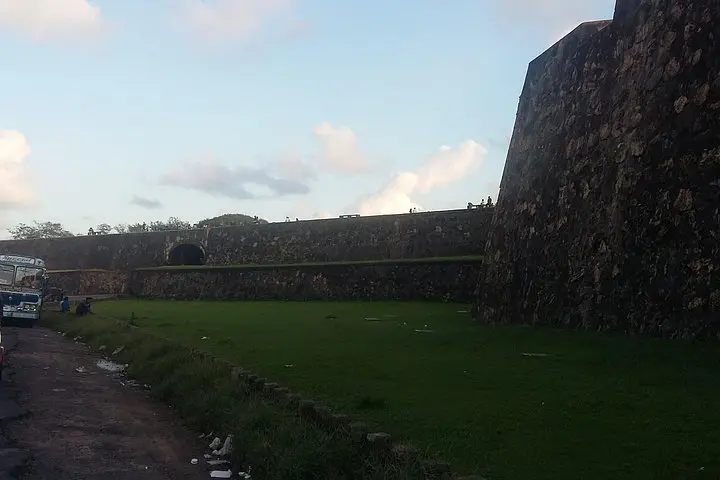
Morning light hits the sea-facing ramparts and the cobblestones steam faintly as a private A/C vehicle carries visitors south along Sri Lanka’s coastal plain. In Galle Fort the wind pushes across layered roofs and the ocean dares you to step closer to the lighthouse; later the Madu River answers with mangrove arms that cradle small boats and estuarine life.
Verified experiences and guided adventures in the surrounding area.
Operated by vishwa colombo tours · Galle, Southern Province
Morning light hits the sea-facing ramparts and the cobblestones steam faintly as a private A/C vehicle carries visitors south along Sri Lanka’s coastal plain. In Galle Fort the wind pushes across layered roofs and the ocean dares you to step closer to the lighthouse; later the Madu River answers with mangrove arms that cradle small boats and estuarine life.
Galle’s walls began as Portuguese defenses in the 16th century and were expanded by the Dutch in the 17th century; the result is a compact grid of colonial masonry, narrow lanes and converted warehouses. Geologically the coast is low-lying coral and sandstone, shaped by tides and monsoons; the Madu estuary itself is a sediment-rich, biodiverse corridor where mangroves filter water and support fisheries. Culturally the fort is a living district—shops, tea rooms and craftsmen inhabit buildings once used for trade and storage.
Practically, expect an eight-hour day with leisurely walking inside the fort and a short boat ride through mangrove channels. Wear comfortable walking shoes for uneven cobbles, carry sunscreen and a refillable water bottle, and plan for intermittent shade. The boat leg is calm but can be wet—pack a light rain layer if traveling during the southwest monsoon (May–September). Local guides and drivers typically handle logistics and offer context on Dutch architecture and local livelihoods, while respecting the UNESCO protections in place.
Arrive early to beat heat and crowds, move deliberately along the ramparts, and allow time for a quiet stretch on the river where herons watch and crabs dot exposed roots.
Pickup is arranged from Marawila/Negombo hotels; confirm the exact time and meeting location at booking.
Yes, the boat is calm and family-friendly, but children should remain seated and wear life jackets if provided.
This tour often includes transport and driver/guide services but not mandatory entrance donations—confirm at booking.
The vehicle and basic transportation are wheelchair accessible, but cobbled streets and certain bastions may be difficult to traverse.
vishwa colombo tours operates guided outdoor trips and adventures with an emphasis on safety, stewardship, and memorable experiences.
Morning light hits the sea-facing ramparts and the cobblestones steam faintly as a private A/C vehicle carries visitors south along Sri Lanka’s coastal plain. In Galle Fort the wind pushes across layered roofs and the ocean dares you to step closer to the lighthouse; later the Madu River answers with mangrove arms that cradle small boats and estuarine life.
Morning light hits the sea-facing ramparts and the cobblestones steam faintly as a private A/C vehicle carries visitors south along Sri Lanka’s coastal plain. In Galle Fort the wind pushes across layered roofs and the ocean dares you to step closer to the lighthouse; later the Madu River answers with mangrove arms that cradle small boats and estuarine life.
Galle’s walls began as Portuguese defenses in the 16th century and were expanded by the Dutch in the 17th century; the result is a compact grid of colonial masonry, narrow lanes and converted warehouses. Geologically the coast is low-lying coral and sandstone, shaped by tides and monsoons; the Madu estuary itself is a sediment-rich, biodiverse corridor where mangroves filter water and support fisheries. Culturally the fort is a living district—shops, tea rooms and craftsmen inhabit buildings once used for trade and storage.
Practically, expect an eight-hour day with leisurely walking inside the fort and a short boat ride through mangrove channels. Wear comfortable walking shoes for uneven cobbles, carry sunscreen and a refillable water bottle, and plan for intermittent shade. The boat leg is calm but can be wet—pack a light rain layer if traveling during the southwest monsoon (May–September). Local guides and drivers typically handle logistics and offer context on Dutch architecture and local livelihoods, while respecting the UNESCO protections in place.
Arrive early to beat heat and crowds, move deliberately along the ramparts, and allow time for a quiet stretch on the river where herons watch and crabs dot exposed roots.