THE ADVENTURE COLLECTIVE® · Independent discovery and booking for outdoor travel

Explore Galle Fort’s colonial streets, glide the mangrove channels of the Madu River and meet sea turtles at Kosgoda on a full‑day private tour from Colombo or Negombo. This itinerary pairs culture, coastal geology and soft‑adventure boat time into a single, practical day trip.
Explore Galle Fort’s colonial streets, glide the mangrove channels of the Madu River and meet sea turtles at Kosgoda on a full‑day private tour from Colombo or Negombo. This itinerary pairs culture, coastal geology and soft‑adventure boat time into a single, practical day trip.
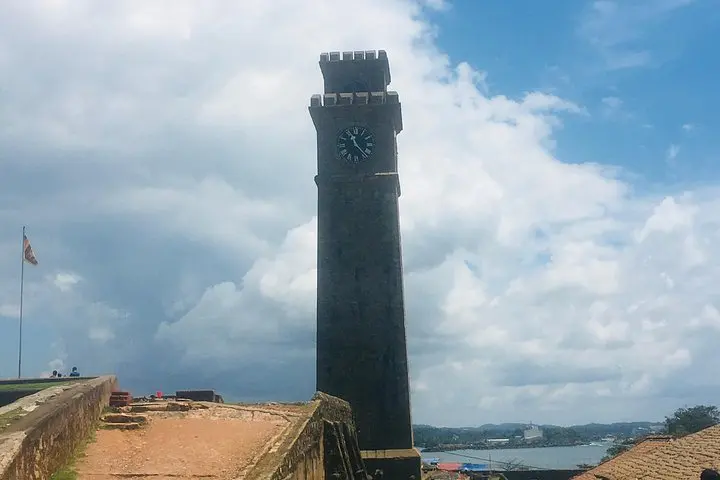
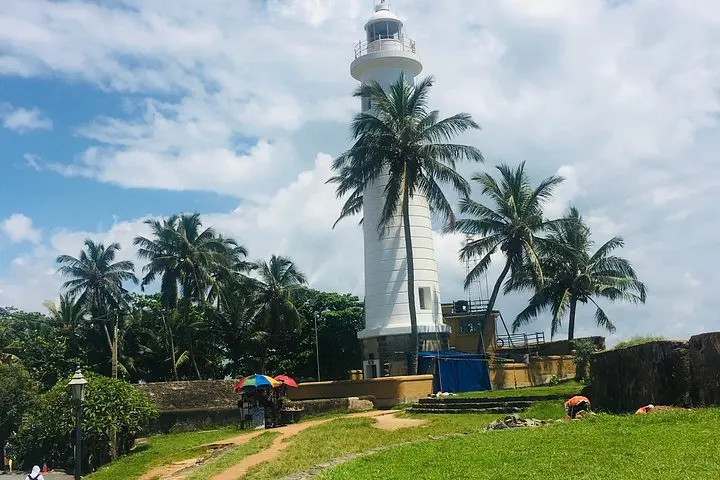
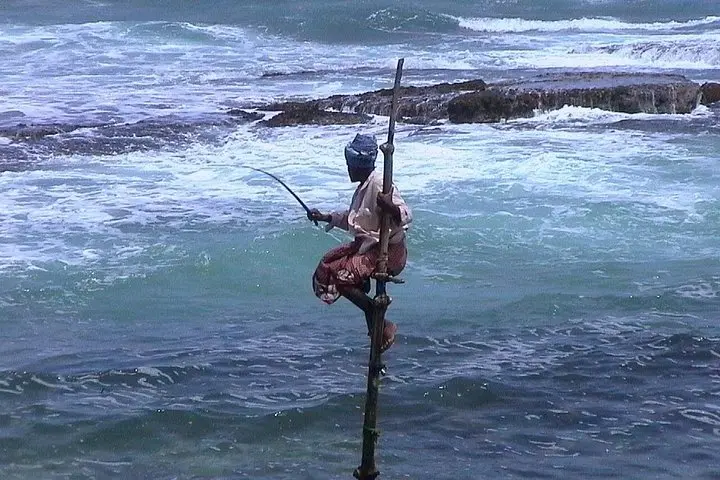
You step off the air‑conditioned vehicle into a street where time leans toward the Dutch era—cyclone‑scarred walls, coral‑stone lanes and the persistent hiss of Indian Ocean spray. Galle Fort stretches along the coast, its ramparts catching the light as fishermen mend nets beneath a sky that seems determined to push you seaward.
Verified experiences and guided adventures in the surrounding area.
Operated by Best places to visit in sri lanka · Galle, Southern Province
You step off the air‑conditioned vehicle into a street where time leans toward the Dutch era—cyclone‑scarred walls, coral‑stone lanes and the persistent hiss of Indian Ocean spray. Galle Fort stretches along the coast, its ramparts catching the light as fishermen mend nets beneath a sky that seems determined to push you seaward.
The fort’s layered history is visible in brick and mortar: Portuguese foundations, Dutch bastions and British additions overlay a Sinhalese port tradition. The region’s geology—ancient coastal limestones and reef remnants—shapes the shoreline and the sheltered estuaries of the Madu River. Culture here moves between incense at small Buddhist shrines, cinnamon peeling along river islets and the steady call of street vendors selling king coconut water.
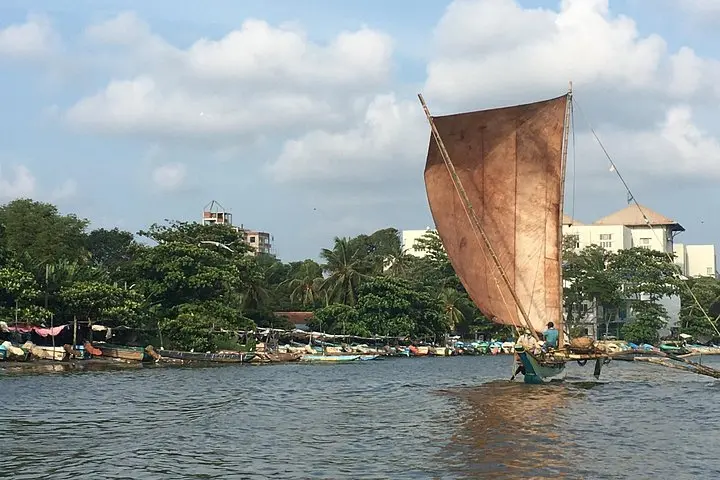
Later, the Madu River slows you down; mangroves tug at the boat’s oars and small islands host cinnamon peeling stations and tiny fishing communities. At Kosgoda, a turtle care centre highlights conservation efforts for nesting green and hawksbill turtles—reminders that tourism meets fragile ecosystems.
Practical guidance: expect an 8–10 hour day with several easy walks on uneven stone surfaces and short boat transfers across slow water. Wear sturdy walking shoes with decent tread, bring sun protection and a refillable water bottle; the tropical sun and humidity will demand both. Plan for early morning pickup to avoid afternoon traffic and the hottest hours, and budget time for gentle strolls, a short boat safari and a hatchery visit. Keep camera gear protected from spray and respect local customs at religious sites—remove hats and shoes where required.
Pickup and drop‑off from hotels or the airport in Colombo or Negombo are included—specify your pickup point when booking.
Yes, the boat safari is gentle and family‑friendly, but infants should be supervised and life jackets may be limited—ask the operator in advance.
Itinerary notes admission included for key stops like Galle Fort and the Madu River attractions, but confirm any optional donations to the hatchery on the day.
Some sites have uneven stones and steps; strollers are mentioned as accessible for short segments but full wheelchair access is limited—contact the operator to discuss specific needs.
Best places to visit in sri lanka operates guided outdoor trips and adventures with an emphasis on safety, stewardship, and memorable experiences.
You step off the air‑conditioned vehicle into a street where time leans toward the Dutch era—cyclone‑scarred walls, coral‑stone lanes and the persistent hiss of Indian Ocean spray. Galle Fort stretches along the coast, its ramparts catching the light as fishermen mend nets beneath a sky that seems determined to push you seaward.
You step off the air‑conditioned vehicle into a street where time leans toward the Dutch era—cyclone‑scarred walls, coral‑stone lanes and the persistent hiss of Indian Ocean spray. Galle Fort stretches along the coast, its ramparts catching the light as fishermen mend nets beneath a sky that seems determined to push you seaward.
The fort’s layered history is visible in brick and mortar: Portuguese foundations, Dutch bastions and British additions overlay a Sinhalese port tradition. The region’s geology—ancient coastal limestones and reef remnants—shapes the shoreline and the sheltered estuaries of the Madu River. Culture here moves between incense at small Buddhist shrines, cinnamon peeling along river islets and the steady call of street vendors selling king coconut water.
Later, the Madu River slows you down; mangroves tug at the boat’s oars and small islands host cinnamon peeling stations and tiny fishing communities. At Kosgoda, a turtle care centre highlights conservation efforts for nesting green and hawksbill turtles—reminders that tourism meets fragile ecosystems.
Practical guidance: expect an 8–10 hour day with several easy walks on uneven stone surfaces and short boat transfers across slow water. Wear sturdy walking shoes with decent tread, bring sun protection and a refillable water bottle; the tropical sun and humidity will demand both. Plan for early morning pickup to avoid afternoon traffic and the hottest hours, and budget time for gentle strolls, a short boat safari and a hatchery visit. Keep camera gear protected from spray and respect local customs at religious sites—remove hats and shoes where required.