THE ADVENTURE COLLECTIVE® · Independent discovery and booking for outdoor travel

Explore Dutch‑era ramparts, a working lighthouse and mangrove islets on a full‑day trip from Colombo. Combine heritage walks in Galle Fort with a turtle hatchery visit and optional Madu River boat ride for a compact coastal immersion.
Explore Dutch‑era ramparts, a working lighthouse and mangrove islets on a full‑day trip from Colombo. Combine heritage walks in Galle Fort with a turtle hatchery visit and optional Madu River boat ride for a compact coastal immersion.
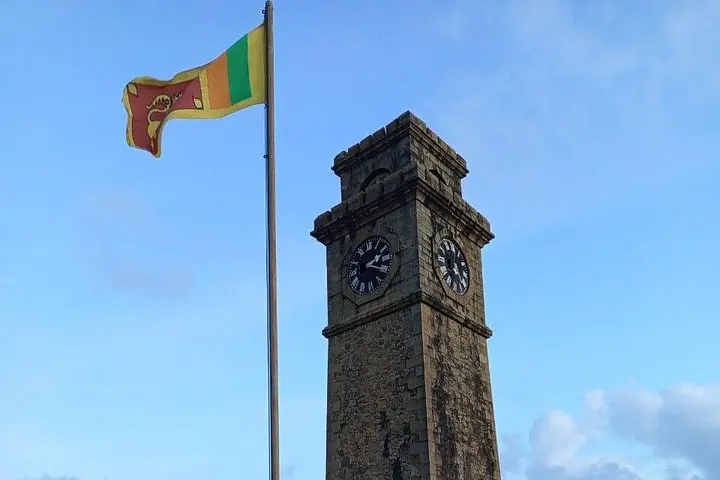
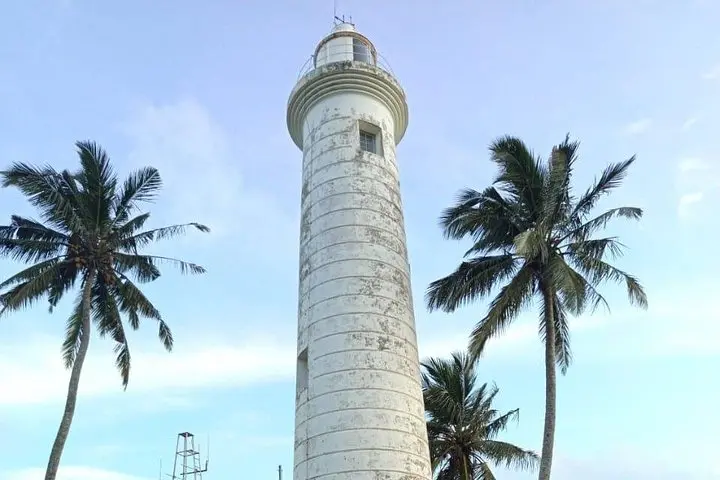
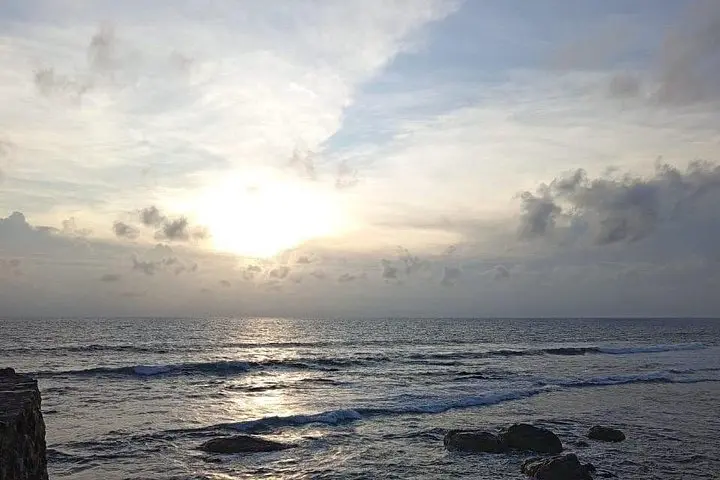
You step off an air‑conditioned van onto sun‑warmed ramparts as the Indian Ocean pushes a salty breath against the stone — Galle Fort opens like a history book written in brick and trade winds. The fort’s lighthouse stands watch above the promenade while the Clock Tower and old Dutch churches keep time for the narrow streets below.
Verified experiences and guided adventures in the surrounding area.
Operated by The Sri Lankan Tours · Galle, Southern Province
You step off an air‑conditioned van onto sun‑warmed ramparts as the Indian Ocean pushes a salty breath against the stone — Galle Fort opens like a history book written in brick and trade winds. The fort’s lighthouse stands watch above the promenade while the Clock Tower and old Dutch churches keep time for the narrow streets below.
Galle grew from a natural harbor used by seafarers for centuries. Portuguese, Dutch and British layers of control left behind colonial masonry and cobbled lanes; the geology is coastal limestone and coral bedrock, carved by tides and human hands into defensible ramparts. Southward, Bentota’s estuary and the braided Madu River give way to mangrove islets where kingfishers and herons hunt the turning current.
This full‑day route pairs cultural walking with short wildlife encounters — a visit to a conservation‑minded turtle hatchery and optional Madu River boat rides (own expense). Expect easy walking on uneven stone and sandy paths, frequent shade breaks, and strong sun between November and April while the southwest monsoon delivers heavier seas from May to September.
Practical: bring reef‑safe sunscreen, a wide‑brim hat, and comfortable shoes that grip wet stone. Carry small local currency for entrance fees and boat bookings. The schedule is door‑to‑door from Colombo and runs about 10 hours; it’s suitable for most fitness levels but not advised for people with serious back or heart conditions. Move respectfully through heritage zones and nesting sites — the region depends on steady, low‑impact tourism to keep both culture and coastline intact.
The tour is approximately 10 hours and includes hotel pickup/drop‑off, an English‑speaking driver/guide, bottled water, and transport in an air‑conditioned vehicle.
No — the Madu River boat trip is optional and paid locally; your guide can arrange launches and negotiate prices.
Yes, the hatchery operates year‑round, but hatchling releases are seasonal and depend on nesting cycles; ask staff for current timings.
The tour involves walking on uneven surfaces and some steps; it’s not recommended for those with significant mobility, spinal, or serious cardiovascular issues.
The Sri Lankan Tours operates guided outdoor trips and adventures with an emphasis on safety, stewardship, and memorable experiences.
You step off an air‑conditioned van onto sun‑warmed ramparts as the Indian Ocean pushes a salty breath against the stone — Galle Fort opens like a history book written in brick and trade winds. The fort’s lighthouse stands watch above the promenade while the Clock Tower and old Dutch churches keep time for the narrow streets below.
You step off an air‑conditioned van onto sun‑warmed ramparts as the Indian Ocean pushes a salty breath against the stone — Galle Fort opens like a history book written in brick and trade winds. The fort’s lighthouse stands watch above the promenade while the Clock Tower and old Dutch churches keep time for the narrow streets below.
Galle grew from a natural harbor used by seafarers for centuries. Portuguese, Dutch and British layers of control left behind colonial masonry and cobbled lanes; the geology is coastal limestone and coral bedrock, carved by tides and human hands into defensible ramparts. Southward, Bentota’s estuary and the braided Madu River give way to mangrove islets where kingfishers and herons hunt the turning current.
This full‑day route pairs cultural walking with short wildlife encounters — a visit to a conservation‑minded turtle hatchery and optional Madu River boat rides (own expense). Expect easy walking on uneven stone and sandy paths, frequent shade breaks, and strong sun between November and April while the southwest monsoon delivers heavier seas from May to September.
Practical: bring reef‑safe sunscreen, a wide‑brim hat, and comfortable shoes that grip wet stone. Carry small local currency for entrance fees and boat bookings. The schedule is door‑to‑door from Colombo and runs about 10 hours; it’s suitable for most fitness levels but not advised for people with serious back or heart conditions. Move respectfully through heritage zones and nesting sites — the region depends on steady, low‑impact tourism to keep both culture and coastline intact.