THE ADVENTURE COLLECTIVE® · Independent discovery and booking for outdoor travel

Walk Galle Fort’s colonial ramparts, glide through the Madu River’s mangroves and visit Kosgoda’s turtle hatchery on a private full-day tour from Colombo. Expect history, coastal ecology and practical tips for a hot, active day out.
Walk Galle Fort’s colonial ramparts, glide through the Madu River’s mangroves and visit Kosgoda’s turtle hatchery on a private full-day tour from Colombo. Expect history, coastal ecology and practical tips for a hot, active day out.
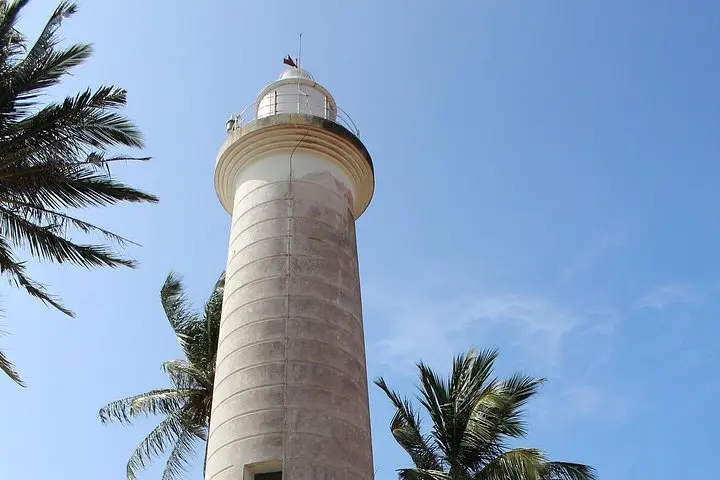
Morning light hits the ramparts of Galle Fort and the ocean pushes a steady salt-scented breath through narrow streets. Visitors arrive by air-conditioned vehicle and step off into a place where colonial stone meets tropical sea — a full day that moves from cobbled alleys to mangrove waterways and a small hatchery on the sandy shore.
Verified experiences and guided adventures in the surrounding area.
Operated by Fivemo Tours · Galle, Southern Province
Morning light hits the ramparts of Galle Fort and the ocean pushes a steady salt-scented breath through narrow streets. Visitors arrive by air-conditioned vehicle and step off into a place where colonial stone meets tropical sea — a full day that moves from cobbled alleys to mangrove waterways and a small hatchery on the sandy shore.
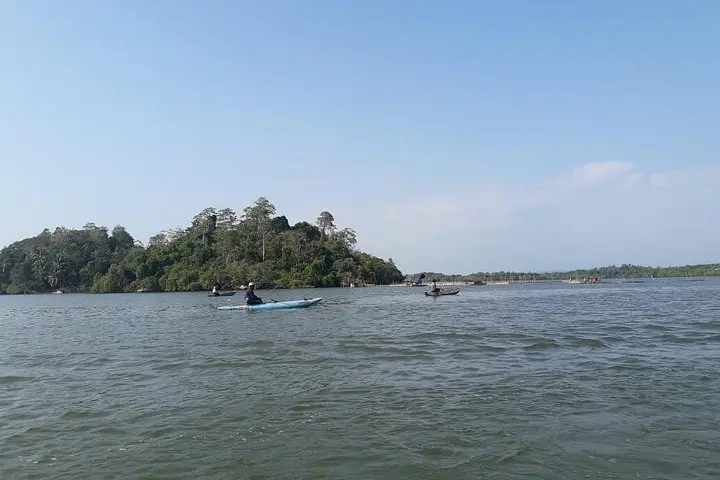
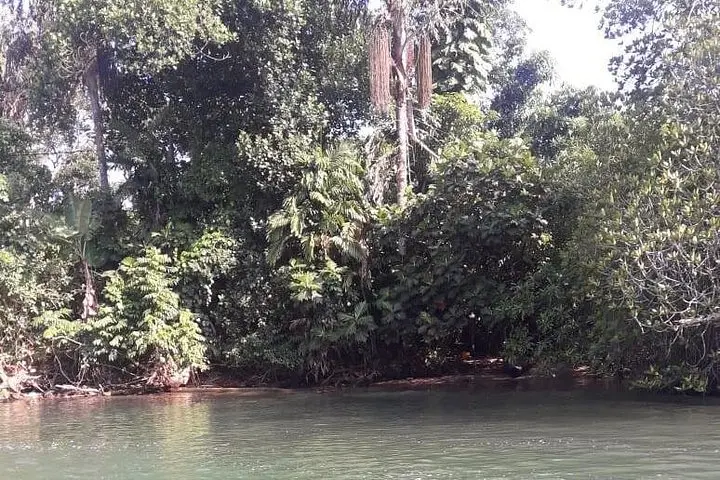
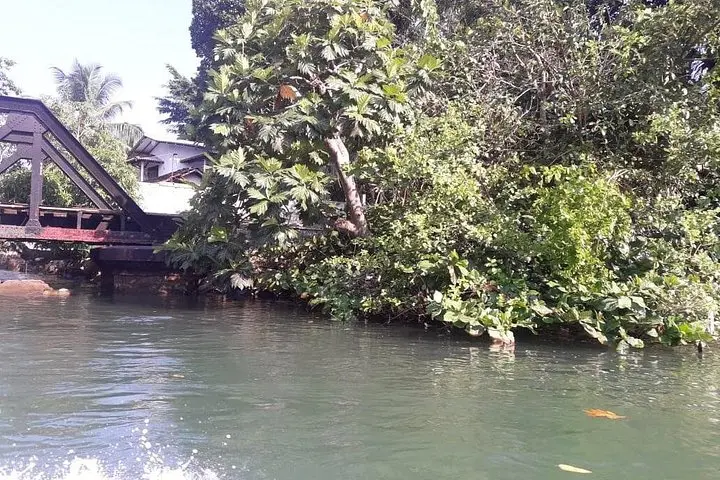
Galle Fort is a layered history: Portuguese foundations, Dutch fortifications and British-era modifications, then repair and local stewardship after the 2004 tsunami. The promontory is built on coastal limestone and coral rock; waves have shaped the walls and the harbor that protected spice traders for centuries. Down the coast, Kosgoda’s turtle program focuses on safeguarding nests and rehabilitating injured sea turtles, while the Madu River’s mangrove channels reveal a different ecology — mudflats, fiddler crabs and small estuarine islands.
Practical guidance: plan for a 7–10 hour day with comfortable walking shoes, sun protection and insect repellent. Start early to avoid mid-afternoon heat and allow time for a guided stroll inside the fort’s museums, a short boat trip through mangrove channels, and a visit to the hatchery during daylight hours when staff handle nests and releases. Carry small bills for entry donations and wear lightweight, quick-dry layers for the river boat. Respect local customs: modest dress for church visits and quiet observation at wildlife sites.
The day balances tangible history, active conservation, and mangrove ecology — a grounded, varied coastal itinerary suited to travelers who like history with their outdoor time.
Pickups are arranged from hotels or the airport in Colombo or Negombo; the tour returns to the original pickup point at the end of the day.
Expect 7–10 hours total with approximately 2–4 hours of walking around Galle Fort and short walks at other stops; most walking is at a relaxed pace.
Kosgoda runs conservation and rehabilitation work; visitors should follow staff guidance, avoid handling turtles unless directed and support programs through donations or purchases that fund protection efforts.
The tour includes cobbled ramps, steps and small boat transfers; it is not recommended for those with severe mobility issues or spinal problems without prior consultation.
Fivemo Tours operates guided outdoor trips and adventures with an emphasis on safety, stewardship, and memorable experiences.
Morning light hits the ramparts of Galle Fort and the ocean pushes a steady salt-scented breath through narrow streets. Visitors arrive by air-conditioned vehicle and step off into a place where colonial stone meets tropical sea — a full day that moves from cobbled alleys to mangrove waterways and a small hatchery on the sandy shore.
Morning light hits the ramparts of Galle Fort and the ocean pushes a steady salt-scented breath through narrow streets. Visitors arrive by air-conditioned vehicle and step off into a place where colonial stone meets tropical sea — a full day that moves from cobbled alleys to mangrove waterways and a small hatchery on the sandy shore.
Galle Fort is a layered history: Portuguese foundations, Dutch fortifications and British-era modifications, then repair and local stewardship after the 2004 tsunami. The promontory is built on coastal limestone and coral rock; waves have shaped the walls and the harbor that protected spice traders for centuries. Down the coast, Kosgoda’s turtle program focuses on safeguarding nests and rehabilitating injured sea turtles, while the Madu River’s mangrove channels reveal a different ecology — mudflats, fiddler crabs and small estuarine islands.
Practical guidance: plan for a 7–10 hour day with comfortable walking shoes, sun protection and insect repellent. Start early to avoid mid-afternoon heat and allow time for a guided stroll inside the fort’s museums, a short boat trip through mangrove channels, and a visit to the hatchery during daylight hours when staff handle nests and releases. Carry small bills for entry donations and wear lightweight, quick-dry layers for the river boat. Respect local customs: modest dress for church visits and quiet observation at wildlife sites.
The day balances tangible history, active conservation, and mangrove ecology — a grounded, varied coastal itinerary suited to travelers who like history with their outdoor time.