THE ADVENTURE COLLECTIVE® · Independent discovery and booking for outdoor travel

Walk Galle Fort with a local resident who threads colonial history, coastal geology and contemporary life into a compact 90‑minute tour. Expect ramparts, alleys, lighthouse views and practical tips from someone who knows the city intimately.
Walk Galle Fort with a local resident who threads colonial history, coastal geology and contemporary life into a compact 90‑minute tour. Expect ramparts, alleys, lighthouse views and practical tips from someone who knows the city intimately.
The ocean pushes itself against the old ramparts as you gather beneath Galle Fort’s clock tower — salt air, the creak of wooden shutters and the low hum of tuk-tuks form the city’s opening chord. A local resident guide leads you through narrow lanes where colonial facades meet peeling Sinhala shopfronts, and every corner carries a date carved into plaster.
Verified experiences and guided adventures in the surrounding area.
Operated by Small Group Galle Fort Walking Tour with a Resident · Galle, Southern Province
The ocean pushes itself against the old ramparts as you gather beneath Galle Fort’s clock tower — salt air, the creak of wooden shutters and the low hum of tuk-tuks form the city’s opening chord. A local resident guide leads you through narrow lanes where colonial facades meet peeling Sinhala shopfronts, and every corner carries a date carved into plaster.
Galle Fort began as a Portuguese outpost in the 16th century, was rebuilt and expanded by the Dutch in the 17th, then adapted by the British. The fort sits on a raised promontory of weathered reef limestone and coral rock; its walls were engineered to resist the sea they now invite you to photograph. Inside, the architecture records layers of trade, missionary activity and maritime law — churches, a lighthouse, a colonial hospital and a compact market all tell pieces of Sri Lanka’s coastal story.
The tour blends cultural context with local anecdotes: where old spices were stored, which alleys once housed shipwrights, and how fishing families still read the tides. You’ll pause at viewpoints that make the coastline feel immediate and at quieter courtyards that hint at everyday fort life.
Practical guidance: the route is paved but uneven in places — flat-soled walking shoes are best. Bring water, sun protection and small change for cafés or donations. Mornings are cooler and quieter; late afternoon offers softer light but more crowds. Respect religious sites and private properties; the guide will point out access rules. This 90-minute walk is compact, accessible and anchored in local knowledge — ideal for travelers who want history delivered with practical context and coastal atmosphere.
Meet in front of the Galle Fort clock tower — the guide will be waiting there and the group departs promptly at the scheduled time.
Yes; the tour is labeled stroller‑accessible but some narrow alleys and steps may require assistance and infants should sit on laps when crowded.
Tours are typically conducted in English by a resident licensed guide; confirm language needs when booking to ensure availability.
Yes — cafés and public restrooms are available inside the fort; your guide can recommend a local café stop at the end of the walk.
Small Group Galle Fort Walking Tour with a Resident operates guided outdoor trips and adventures with an emphasis on safety, stewardship, and memorable experiences.

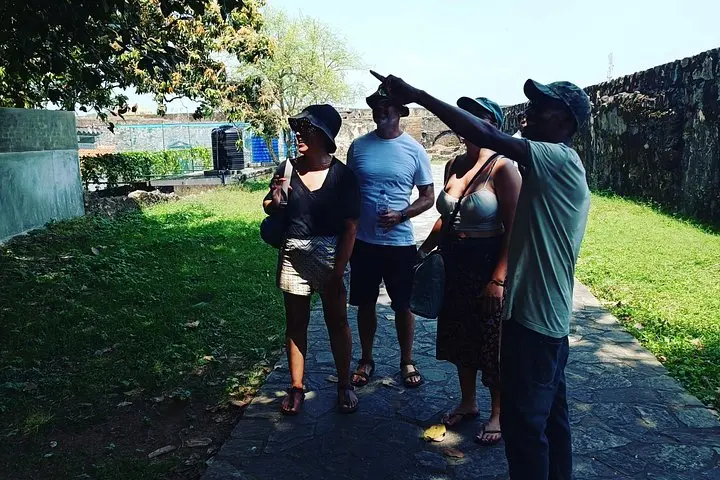
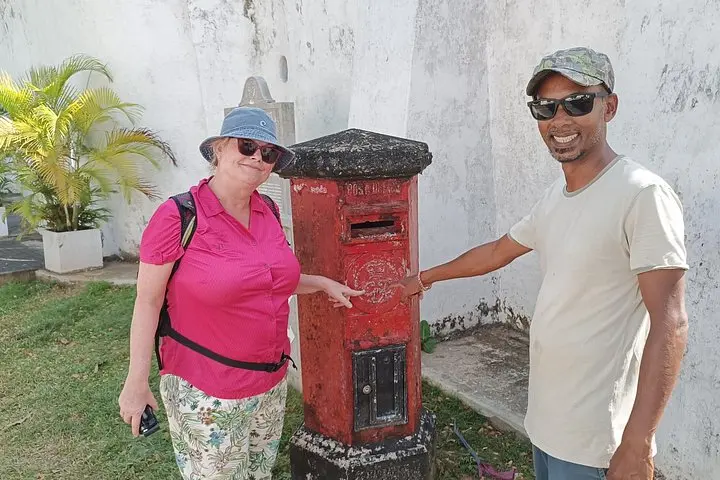
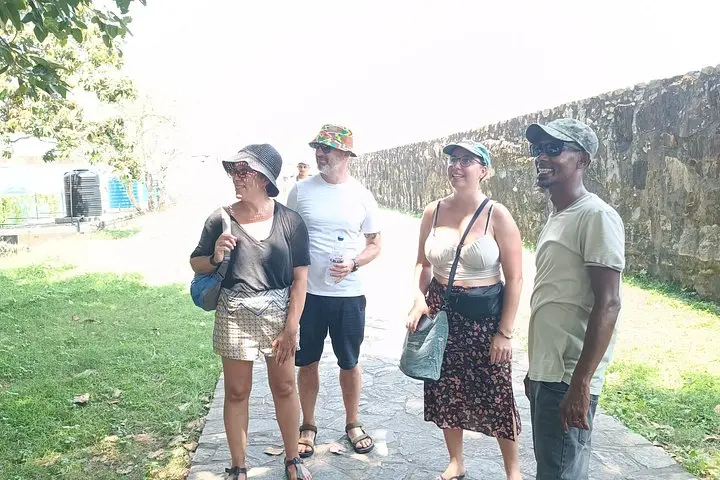
The ocean pushes itself against the old ramparts as you gather beneath Galle Fort’s clock tower — salt air, the creak of wooden shutters and the low hum of tuk-tuks form the city’s opening chord. A local resident guide leads you through narrow lanes where colonial facades meet peeling Sinhala shopfronts, and every corner carries a date carved into plaster.
The ocean pushes itself against the old ramparts as you gather beneath Galle Fort’s clock tower — salt air, the creak of wooden shutters and the low hum of tuk-tuks form the city’s opening chord. A local resident guide leads you through narrow lanes where colonial facades meet peeling Sinhala shopfronts, and every corner carries a date carved into plaster.
Galle Fort began as a Portuguese outpost in the 16th century, was rebuilt and expanded by the Dutch in the 17th, then adapted by the British. The fort sits on a raised promontory of weathered reef limestone and coral rock; its walls were engineered to resist the sea they now invite you to photograph. Inside, the architecture records layers of trade, missionary activity and maritime law — churches, a lighthouse, a colonial hospital and a compact market all tell pieces of Sri Lanka’s coastal story.
The tour blends cultural context with local anecdotes: where old spices were stored, which alleys once housed shipwrights, and how fishing families still read the tides. You’ll pause at viewpoints that make the coastline feel immediate and at quieter courtyards that hint at everyday fort life.
Practical guidance: the route is paved but uneven in places — flat-soled walking shoes are best. Bring water, sun protection and small change for cafés or donations. Mornings are cooler and quieter; late afternoon offers softer light but more crowds. Respect religious sites and private properties; the guide will point out access rules. This 90-minute walk is compact, accessible and anchored in local knowledge — ideal for travelers who want history delivered with practical context and coastal atmosphere.