THE ADVENTURE COLLECTIVE® · Independent discovery and booking for outdoor travel

Spend a day exploring Galle Fort’s colonial ramparts, gliding mangrove channels on a Madu River boat safari, and visiting cinnamon villages and turtle conservation sites. This private luxury tour blends cultural history with hands-on nature experiences across Sri Lanka’s southern coast.
Spend a day exploring Galle Fort’s colonial ramparts, gliding mangrove channels on a Madu River boat safari, and visiting cinnamon villages and turtle conservation sites. This private luxury tour blends cultural history with hands-on nature experiences across Sri Lanka’s southern coast.
You step out of the air-conditioned vehicle onto the baked stone of Galle Fort; seawind lifts the scent of salt and cinnamon from the low-market stalls and a lighthouse keeps steady watch. The ramparts here were cut by Dutch engineers in the 17th century, their masonry holding stories of trade, conflict, and the flow of cultures that shaped Sri Lanka’s southern coast.
Verified experiences and guided adventures in the surrounding area.
Operated by Ceylonia Travels · Galle, Southern Province
You step out of the air-conditioned vehicle onto the baked stone of Galle Fort; seawind lifts the scent of salt and cinnamon from the low-market stalls and a lighthouse keeps steady watch. The ramparts here were cut by Dutch engineers in the 17th century, their masonry holding stories of trade, conflict, and the flow of cultures that shaped Sri Lanka’s southern coast.
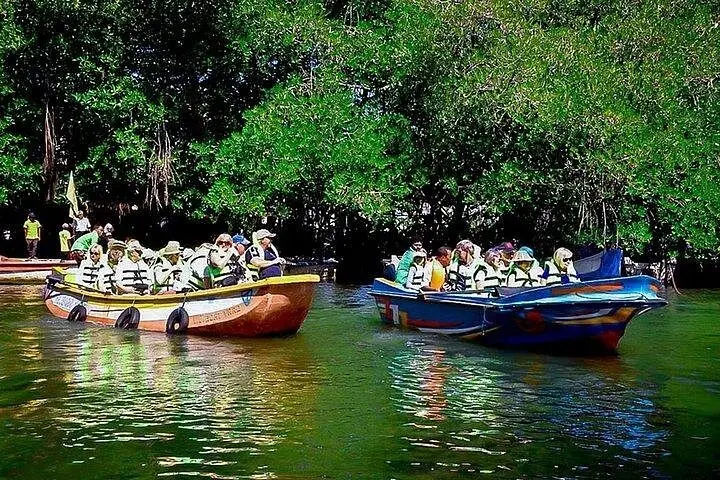
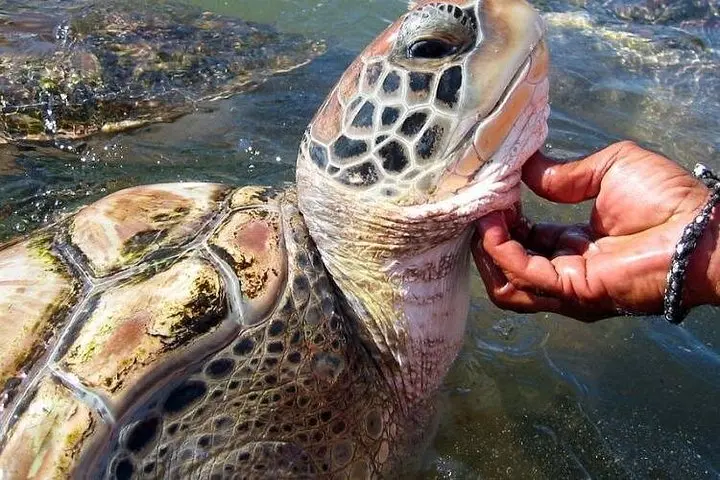
The day moves from the compact streets of the UNESCO-listed fort to mangrove channels on the Madu (Madhu) River, where a boat slips under tangled roots and kingfishers flit like punctuation. Nearby, villagers peel bark and process cinnamon by age-old methods; further down the coast, small teams care for endangered sea turtles and, if season allows, hatchlings are guided to the surf.
Geology appears in pockets: the Meetiyagoda moonstone workings show Sri Lanka’s gem-bearing rocks and the human craft that polishes them into jewelry. The Tsunami Museum in the region offers a sober counterpoint — a reminder of the ocean’s power and the community resilience that followed 2004.
Practical guidance: this is a full-day private tour (10–12 hours) that balances short walks, boat time, and cultural visits. Expect light uneven cobbles in the fort, warm humid air on the river, and the possibility of sudden showers. Bring sun protection, insect repellent, and a daypack with water; wear sturdy low-profile shoes for cobbles and a quick-dry shirt for the boat. Timing matters—mornings and late afternoons are cooler, and early-season sea turtle releases are most likely after nesting months.
The tour runs about 10–12 hours and typically includes private transport from Colombo/Airport, an English-speaking chauffeur-guide, boat safari, and visits to Galle Fort, cinnamon village, turtle conservation, Tsunami Museum, and moonstone mine as listed.
Yes—transport and many sites are stroller and wheelchair accessible, but some historic areas (fort cobbles and narrow lanes) may be challenging; check specific accessibility needs in advance.
Depending on timing and conservation rules you may be allowed to assist in releases under supervision; the guide will explain local protocols and timing.
Light quick-dry clothing, sun protection, insect repellent, and secure bags for valuables; a light rain jacket is useful in wet months.
Ceylonia Travels operates guided outdoor trips and adventures with an emphasis on safety, stewardship, and memorable experiences.
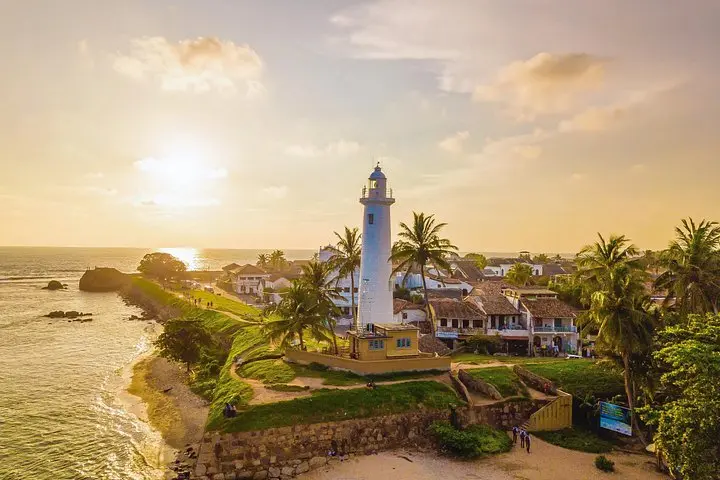
You step out of the air-conditioned vehicle onto the baked stone of Galle Fort; seawind lifts the scent of salt and cinnamon from the low-market stalls and a lighthouse keeps steady watch. The ramparts here were cut by Dutch engineers in the 17th century, their masonry holding stories of trade, conflict, and the flow of cultures that shaped Sri Lanka’s southern coast.
You step out of the air-conditioned vehicle onto the baked stone of Galle Fort; seawind lifts the scent of salt and cinnamon from the low-market stalls and a lighthouse keeps steady watch. The ramparts here were cut by Dutch engineers in the 17th century, their masonry holding stories of trade, conflict, and the flow of cultures that shaped Sri Lanka’s southern coast.
The day moves from the compact streets of the UNESCO-listed fort to mangrove channels on the Madu (Madhu) River, where a boat slips under tangled roots and kingfishers flit like punctuation. Nearby, villagers peel bark and process cinnamon by age-old methods; further down the coast, small teams care for endangered sea turtles and, if season allows, hatchlings are guided to the surf.
Geology appears in pockets: the Meetiyagoda moonstone workings show Sri Lanka’s gem-bearing rocks and the human craft that polishes them into jewelry. The Tsunami Museum in the region offers a sober counterpoint — a reminder of the ocean’s power and the community resilience that followed 2004.
Practical guidance: this is a full-day private tour (10–12 hours) that balances short walks, boat time, and cultural visits. Expect light uneven cobbles in the fort, warm humid air on the river, and the possibility of sudden showers. Bring sun protection, insect repellent, and a daypack with water; wear sturdy low-profile shoes for cobbles and a quick-dry shirt for the boat. Timing matters—mornings and late afternoons are cooler, and early-season sea turtle releases are most likely after nesting months.