THE ADVENTURE COLLECTIVE® · Independent discovery and booking for outdoor travel

A compact, day-long loop through Galle’s Dutch Fort, coastal beaches and nearshore reefs. This excursion blends colonial history, beach time and optional snorkeling with practical tips to get the most from six hours on Sri Lanka’s south coast.
A compact, day-long loop through Galle’s Dutch Fort, coastal beaches and nearshore reefs. This excursion blends colonial history, beach time and optional snorkeling with practical tips to get the most from six hours on Sri Lanka’s south coast.
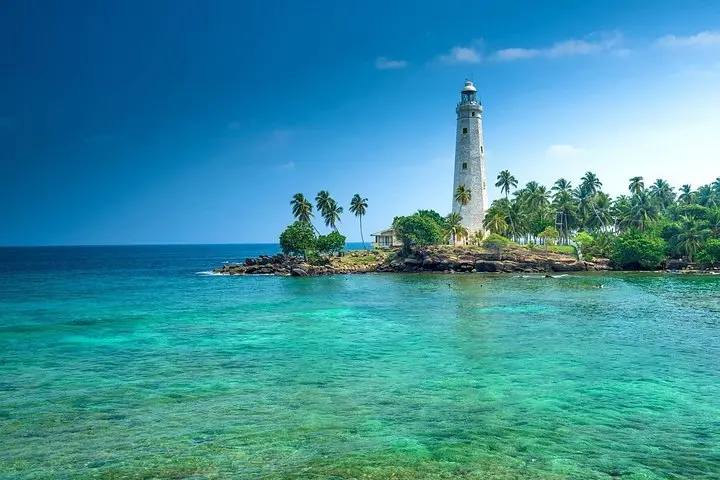
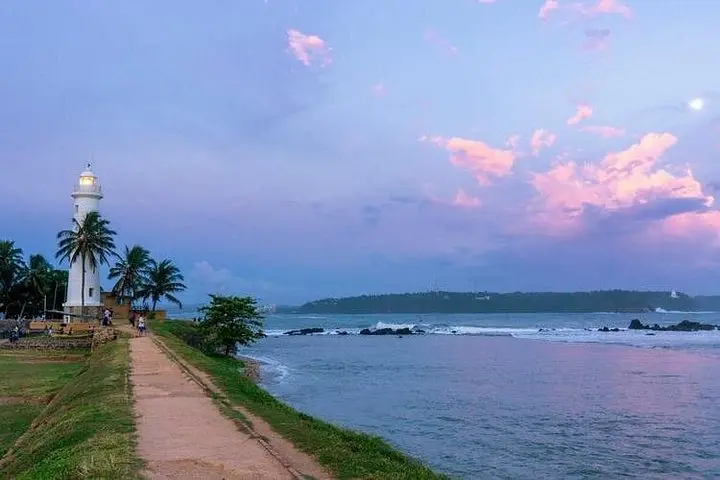
You step off the air-conditioned vehicle and the warm sea-scented air pulls you toward the ramparts. Galle Fort’s coral-stone walls greet walkers with sun-baked walkways and the distant percussion of surf; waves along the coast seem to dare you closer to shore. The day unfolds in measured sections—a compact walking tour of a seventeenth-century colonial fort, a taste of coastal village life, and time to sample the reefs that fringe the shore.
Verified experiences and guided adventures in the surrounding area.
Operated by Overa Tours · Galle, Southern Province
You step off the air-conditioned vehicle and the warm sea-scented air pulls you toward the ramparts. Galle Fort’s coral-stone walls greet walkers with sun-baked walkways and the distant percussion of surf; waves along the coast seem to dare you closer to shore. The day unfolds in measured sections—a compact walking tour of a seventeenth-century colonial fort, a taste of coastal village life, and time to sample the reefs that fringe the shore.
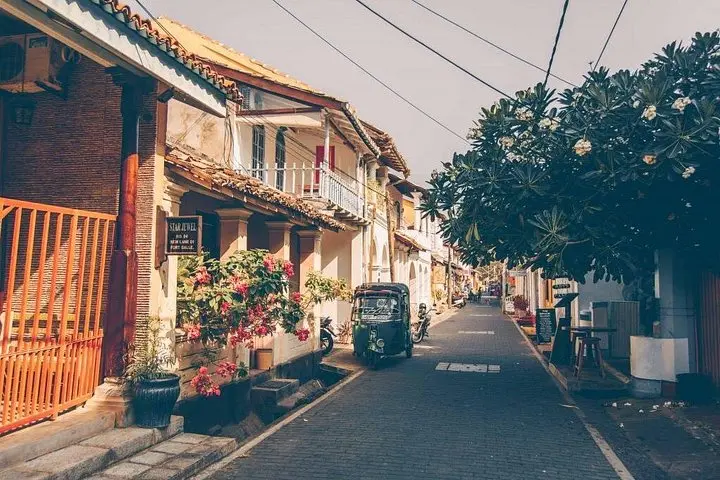
Galle’s Dutch Fort began as a Portuguese outpost and was strengthened by the Dutch in the 1600s, its buildings hewn from coral limestone and granite—materials that have weathered cyclones and trade winds. Geologically the south coast is a narrow coastal plain where reefs and lagoons meet sand spits; the beaches around Unawatuna and Hikkaduwa form the outdoor stage for surfers and snorkelers alike. Culturally the town blends colonial architecture, active fishing harbors, and a café scene that serves both karela curry and artisanal coffee.
Practical guidance is straightforward: the itinerary is relaxed but requires comfortable footwear for uneven fort surfaces and reef-side access. Bring reef-safe sunscreen, a reusable water bottle, and small cash for market vendors. If you plan to snorkel, look for operators who brief on reef etiquette and provide life vests.
Expect about six hours on this loop—enough time to climb fort ramparts, watch fishermen haul nets, and slip into clear water over coral bommies. Timing your visit for morning or late afternoon reduces heat and improves light for photos, while a local guide adds historical context and smoother access to quieter beaches.
Carry a photocopy or digital photo of your passport for tour records and any museum entry; the original is not usually required on short excursions.
Snorkeling inclusion varies—confirm with the operator; many tours offer optional snorkel equipment for a small fee or allow you to bring your own.
Morning or late afternoon provides cooler temperatures and better light for photos; midday can be hot and crowded.
Yes—this tour is family-friendly; infant seats and gentle pacing are typically available but confirm at booking.
Overa Tours operates guided outdoor trips and adventures with an emphasis on safety, stewardship, and memorable experiences.

You step off the air-conditioned vehicle and the warm sea-scented air pulls you toward the ramparts. Galle Fort’s coral-stone walls greet walkers with sun-baked walkways and the distant percussion of surf; waves along the coast seem to dare you closer to shore. The day unfolds in measured sections—a compact walking tour of a seventeenth-century colonial fort, a taste of coastal village life, and time to sample the reefs that fringe the shore.
You step off the air-conditioned vehicle and the warm sea-scented air pulls you toward the ramparts. Galle Fort’s coral-stone walls greet walkers with sun-baked walkways and the distant percussion of surf; waves along the coast seem to dare you closer to shore. The day unfolds in measured sections—a compact walking tour of a seventeenth-century colonial fort, a taste of coastal village life, and time to sample the reefs that fringe the shore.
Galle’s Dutch Fort began as a Portuguese outpost and was strengthened by the Dutch in the 1600s, its buildings hewn from coral limestone and granite—materials that have weathered cyclones and trade winds. Geologically the south coast is a narrow coastal plain where reefs and lagoons meet sand spits; the beaches around Unawatuna and Hikkaduwa form the outdoor stage for surfers and snorkelers alike. Culturally the town blends colonial architecture, active fishing harbors, and a café scene that serves both karela curry and artisanal coffee.
Practical guidance is straightforward: the itinerary is relaxed but requires comfortable footwear for uneven fort surfaces and reef-side access. Bring reef-safe sunscreen, a reusable water bottle, and small cash for market vendors. If you plan to snorkel, look for operators who brief on reef etiquette and provide life vests.
Expect about six hours on this loop—enough time to climb fort ramparts, watch fishermen haul nets, and slip into clear water over coral bommies. Timing your visit for morning or late afternoon reduces heat and improves light for photos, while a local guide adds historical context and smoother access to quieter beaches.