THE ADVENTURE COLLECTIVE® · Independent discovery and booking for outdoor travel

Walk Galveston’s Old City and Trinity Episcopal cemeteries at dusk to hear stories of yellow fever, the Great Storm of 1900, and local hauntings. This 90‑minute guided walk blends documented history with folklore across five historic graveyards.
Walk Galveston’s Old City and Trinity Episcopal cemeteries at dusk to hear stories of yellow fever, the Great Storm of 1900, and local hauntings. This 90‑minute guided walk blends documented history with folklore across five historic graveyards.
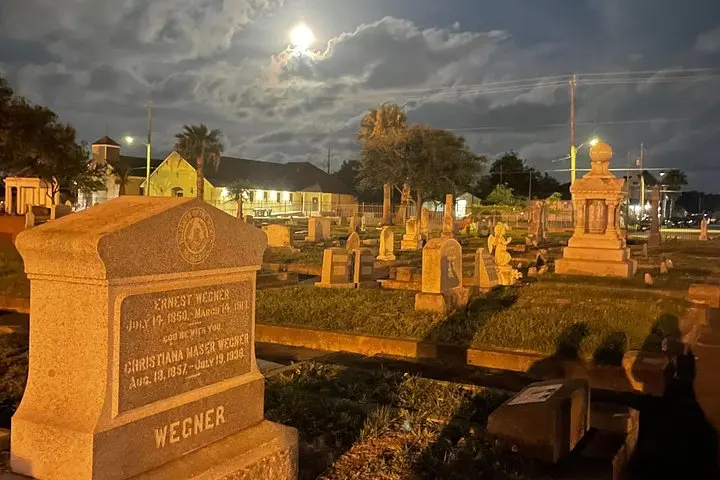
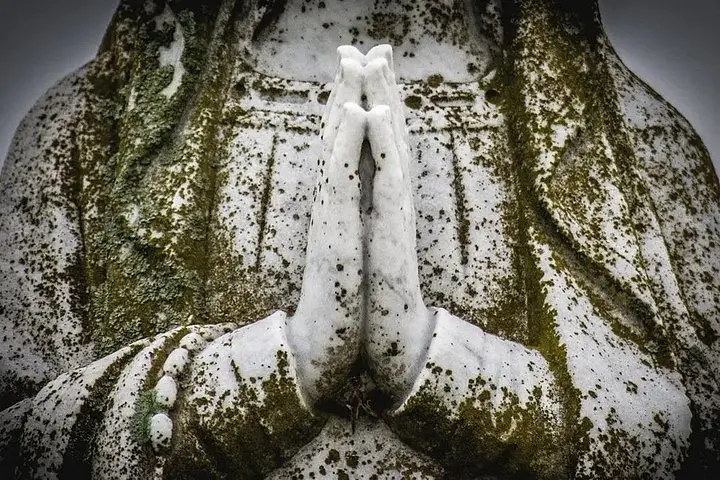
The gate at Ave K and 43rd yawns open as the evening lowers its salt-and-sawdust breath over Galveston. Lanterns and low voices lead you between moss-limned oaks and weathered stones; gulls call from the bay and the wind seems to hurry the Spanish moss along the pathways. The tour moves deliberately—stopping at marked plots, pausing beneath engraved angels, and pointing out the cemetery symbolism that marked families’ hopes and losses.
Verified experiences and guided adventures in the surrounding area.
Operated by Ghost City Tours · Galveston, Texas
The gate at Ave K and 43rd yawns open as the evening lowers its salt-and-sawdust breath over Galveston. Lanterns and low voices lead you between moss-limned oaks and weathered stones; gulls call from the bay and the wind seems to hurry the Spanish moss along the pathways. The tour moves deliberately—stopping at marked plots, pausing beneath engraved angels, and pointing out the cemetery symbolism that marked families’ hopes and losses.
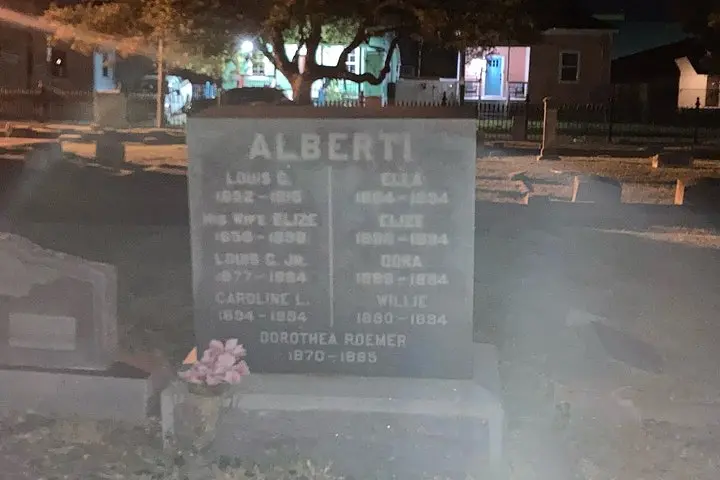
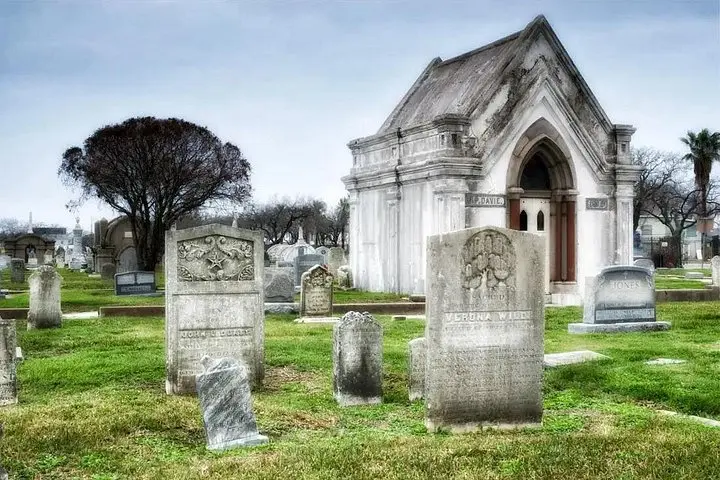
These burial grounds record Galveston’s layered past: 19th-century yellow fever outbreaks that left clustered graves, the human toll of the Great Storm of 1900, and the island’s maritime trade that brought both fortune and tragedy. Trinity Episcopal, Broadway, Evergreen and the Yellow Fever Yard each show different funerary styles—wrought-iron fences, obelisks, and simple fieldstones—telling social and economic stories as clearly as any archive.
Expect 90 minutes of mostly flat walking over packed dirt, flagstone and occasional uneven turf; the guide winds narrative history with local folklore and documented events. The experience is as much about place as the supernatural—how salt air, storm history and a compact island grid shaped burial practices and collective memory.
Practical notes: arrive 15 minutes early, wear sturdy shoes for uneven surfaces, and bring water during warm months. The tour operates in most weather; layers are useful for coastal wind. Respect the grounds—stay on paths, don’t touch fragile monuments, and follow the guide’s instructions. For history fans and curious walkers, this is an accessible, atmospheric way to read Galveston’s darker chapters in situ.
Yes—this is an all-ages walking tour, though some historical descriptions cover disease and disaster; parents should judge material for younger children.
The operator lists wheelchair accessibility for primary areas—contact the provider ahead to confirm accommodations and meet-up logistics.
Moderate—90 minutes of walking on mostly flat but occasionally uneven surfaces; a moderate level of mobility is required.
Tours operate in most conditions; severe weather or safety concerns may prompt cancellation—check the provider’s policy and arrive prepared for coastal conditions.
Ghost City Tours operates guided outdoor trips and adventures with an emphasis on safety, stewardship, and memorable experiences.
The gate at Ave K and 43rd yawns open as the evening lowers its salt-and-sawdust breath over Galveston. Lanterns and low voices lead you between moss-limned oaks and weathered stones; gulls call from the bay and the wind seems to hurry the Spanish moss along the pathways. The tour moves deliberately—stopping at marked plots, pausing beneath engraved angels, and pointing out the cemetery symbolism that marked families’ hopes and losses.
The gate at Ave K and 43rd yawns open as the evening lowers its salt-and-sawdust breath over Galveston. Lanterns and low voices lead you between moss-limned oaks and weathered stones; gulls call from the bay and the wind seems to hurry the Spanish moss along the pathways. The tour moves deliberately—stopping at marked plots, pausing beneath engraved angels, and pointing out the cemetery symbolism that marked families’ hopes and losses.
These burial grounds record Galveston’s layered past: 19th-century yellow fever outbreaks that left clustered graves, the human toll of the Great Storm of 1900, and the island’s maritime trade that brought both fortune and tragedy. Trinity Episcopal, Broadway, Evergreen and the Yellow Fever Yard each show different funerary styles—wrought-iron fences, obelisks, and simple fieldstones—telling social and economic stories as clearly as any archive.
Expect 90 minutes of mostly flat walking over packed dirt, flagstone and occasional uneven turf; the guide winds narrative history with local folklore and documented events. The experience is as much about place as the supernatural—how salt air, storm history and a compact island grid shaped burial practices and collective memory.
Practical notes: arrive 15 minutes early, wear sturdy shoes for uneven surfaces, and bring water during warm months. The tour operates in most weather; layers are useful for coastal wind. Respect the grounds—stay on paths, don’t touch fragile monuments, and follow the guide’s instructions. For history fans and curious walkers, this is an accessible, atmospheric way to read Galveston’s darker chapters in situ.