THE ADVENTURE COLLECTIVE® · Independent discovery and booking for outdoor travel

A short, vehicle-led safari beside the Zambezi that delivers close-range sightings of giraffe, buffalo, antelope and resident white rhino. Ideal as a half-day wildlife option from Livingstone, with morning and late-afternoon departures.
A short, vehicle-led safari beside the Zambezi that delivers close-range sightings of giraffe, buffalo, antelope and resident white rhino. Ideal as a half-day wildlife option from Livingstone, with morning and late-afternoon departures.
Morning light slices across the Zambezi and the park wakes with the soft shuffle of hooves. On a game drive through Mosi-oa-Tunya National Park, vehicles roll slowly along sandy tracks framed by riverine trees, and the river itself seems to urge you closer — a constant, watching presence.
Verified experiences and guided adventures in the surrounding area.
Operated by Clima Travel and Tours · Livingstone, Southern Province
Morning light slices across the Zambezi and the park wakes with the soft shuffle of hooves. On a game drive through Mosi-oa-Tunya National Park, vehicles roll slowly along sandy tracks framed by riverine trees, and the river itself seems to urge you closer — a constant, watching presence.
The park is a fenced 20 km² wildlife sanctuary on the Zambezi’s banks, the only section of Zambia’s park system with perimeter fencing. Its short history includes the Old Drift settlement — the colonial-era site abandoned before 1904 when river erosion and malaria forced settlers inland — and more recent conservation work focused on large mammals, especially threatened white rhino.
Geology here is river-carved sandstone and alluvial soils that support dense gallery woodland and open floodplain; that mix concentrates game and creates the close encounters the park is known for. Cultural touchpoints in nearby Livingstone include markets and guides who read both river and spoor with practiced ease.
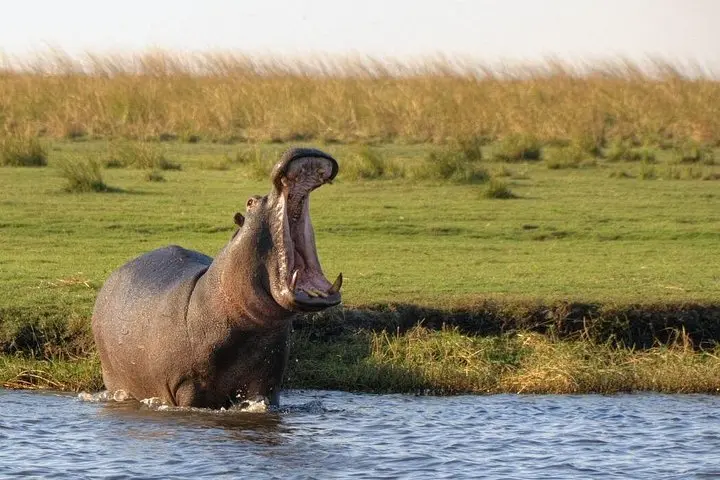
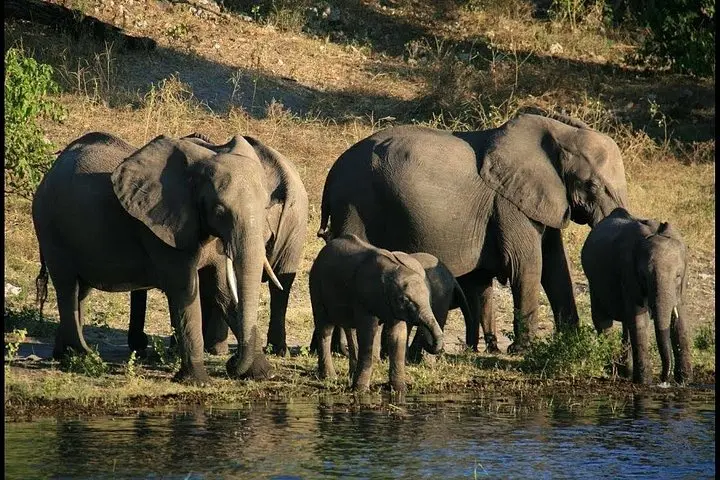
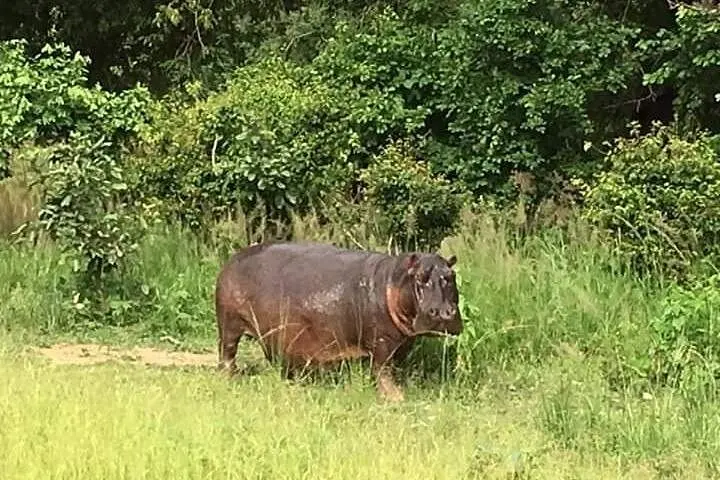
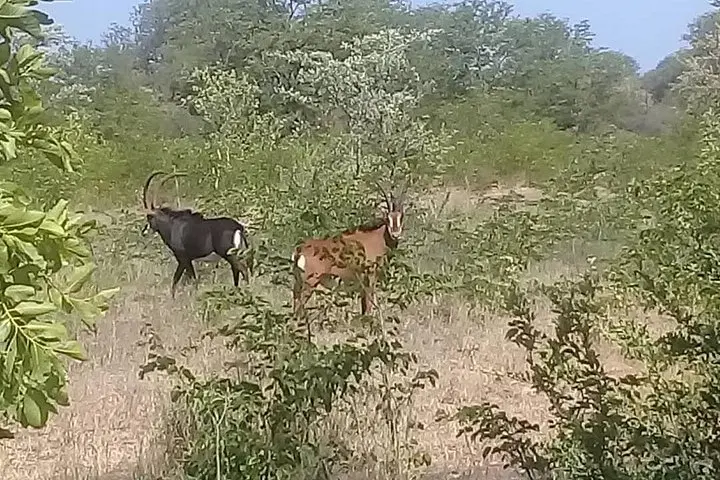
Practically, expect a vehicle-led safari of roughly 2.5–3 hours (early morning or late afternoon departures are standard). Wildlife sightings commonly include giraffe, buffalo, zebra, antelope species and, occasionally, one of the park’s three resident white rhinos. Photography is straightforward — animals are often close — but bring long lenses for skittish species and birds.
Wear sun protection, pack water and light layers for early starts, and plan transfers from Livingstone lodges; roads inside are sandy and can be bumpy. The park’s compact size makes it an efficient half-day option for travelers wanting a focused wildlife experience without long drives.
Daily departures are typically early morning (around 06:30) and late afternoon (around 15:30); confirm pick-up with your operator.
The park hosts three white rhino but sightings are not guaranteed; guides position vehicles for the best chance while respecting animal welfare.
The tour listing indicates wheelchair-accessible transport and surfaces, but confirm specific needs during booking to ensure appropriate support.
The tour includes bottled water, snacks and tea/coffee during the outing, but bring additional water if you are sensitive to heat.
Clima Travel and Tours operates guided outdoor trips and adventures with an emphasis on safety, stewardship, and memorable experiences.
Morning light slices across the Zambezi and the park wakes with the soft shuffle of hooves. On a game drive through Mosi-oa-Tunya National Park, vehicles roll slowly along sandy tracks framed by riverine trees, and the river itself seems to urge you closer — a constant, watching presence.
Morning light slices across the Zambezi and the park wakes with the soft shuffle of hooves. On a game drive through Mosi-oa-Tunya National Park, vehicles roll slowly along sandy tracks framed by riverine trees, and the river itself seems to urge you closer — a constant, watching presence.
The park is a fenced 20 km² wildlife sanctuary on the Zambezi’s banks, the only section of Zambia’s park system with perimeter fencing. Its short history includes the Old Drift settlement — the colonial-era site abandoned before 1904 when river erosion and malaria forced settlers inland — and more recent conservation work focused on large mammals, especially threatened white rhino.
Geology here is river-carved sandstone and alluvial soils that support dense gallery woodland and open floodplain; that mix concentrates game and creates the close encounters the park is known for. Cultural touchpoints in nearby Livingstone include markets and guides who read both river and spoor with practiced ease.
Practically, expect a vehicle-led safari of roughly 2.5–3 hours (early morning or late afternoon departures are standard). Wildlife sightings commonly include giraffe, buffalo, zebra, antelope species and, occasionally, one of the park’s three resident white rhinos. Photography is straightforward — animals are often close — but bring long lenses for skittish species and birds.
Wear sun protection, pack water and light layers for early starts, and plan transfers from Livingstone lodges; roads inside are sandy and can be bumpy. The park’s compact size makes it an efficient half-day option for travelers wanting a focused wildlife experience without long drives.