THE ADVENTURE COLLECTIVE® · Independent discovery and booking for outdoor travel

Spend an immersive afternoon on the Gandoca-Manzanillo Trail, pairing a coastal rainforest hike with a visit to the Ara Project to see endangered Great Green Macaws. This accessible tour blends wildlife viewing, local conservation insight, and a bluffside ocean vista.
Spend an immersive afternoon on the Gandoca-Manzanillo Trail, pairing a coastal rainforest hike with a visit to the Ara Project to see endangered Great Green Macaws. This accessible tour blends wildlife viewing, local conservation insight, and a bluffside ocean vista.
You arrive in Manzanillo with humidity on your skin and the sound of surf rolling like a distant drum. The trail moves through lowland rainforest where buttress roots angle like old hands and the air tastes of salt and green leaf. Your guide steps lightly, pausing when the canopy shifts—a macaw wing, a sloth’s slow blink—inviting you to watch and wait.
Verified experiences and guided adventures in the surrounding area.
Operated by Caribe Fun Tours · Manzanillo, Limon
You arrive in Manzanillo with humidity on your skin and the sound of surf rolling like a distant drum. The trail moves through lowland rainforest where buttress roots angle like old hands and the air tastes of salt and green leaf. Your guide steps lightly, pausing when the canopy shifts—a macaw wing, a sloth’s slow blink—inviting you to watch and wait.
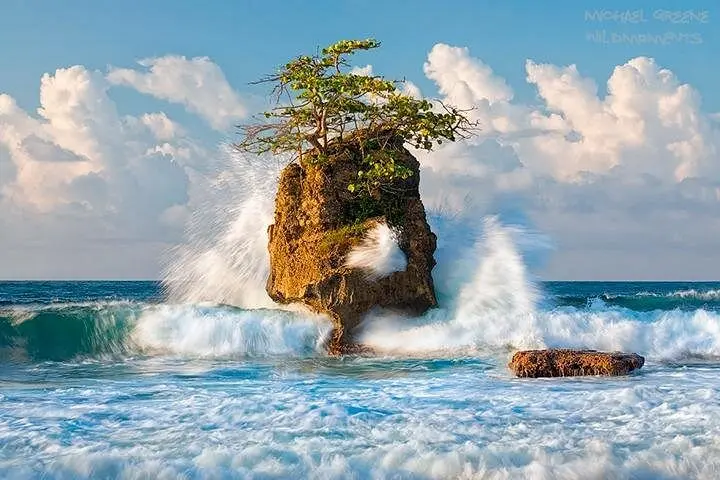
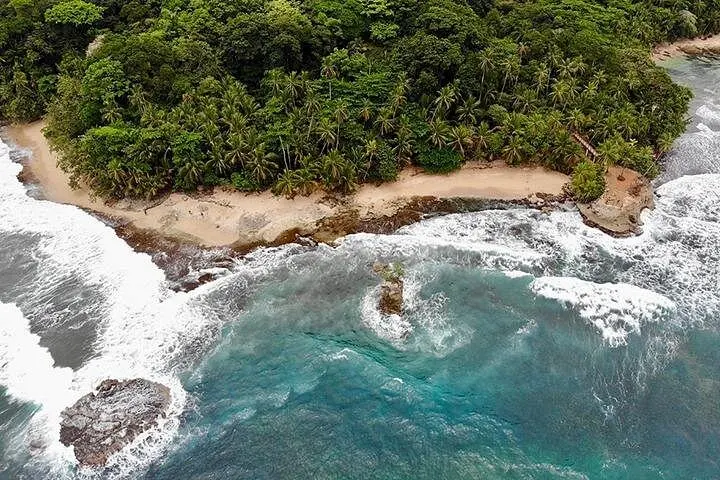
Gandoca-Manzanillo Refuge protects a stretch of Caribbean coastline that alternates white sand, mangrove lagoon, and reef-fringed bay. Geologically it’s young coastal plain: shifting sands, coral substrates offshore and nutrient-heavy rivers that feed a dense mosaic of forest. Culturally the area sits on Bribri and Cabécar territory and long-standing local stewardship blends fishing, small-scale farming, and growing conservation work such as the Ara Project, which focuses on reintroducing the endangered Great Green Macaw.
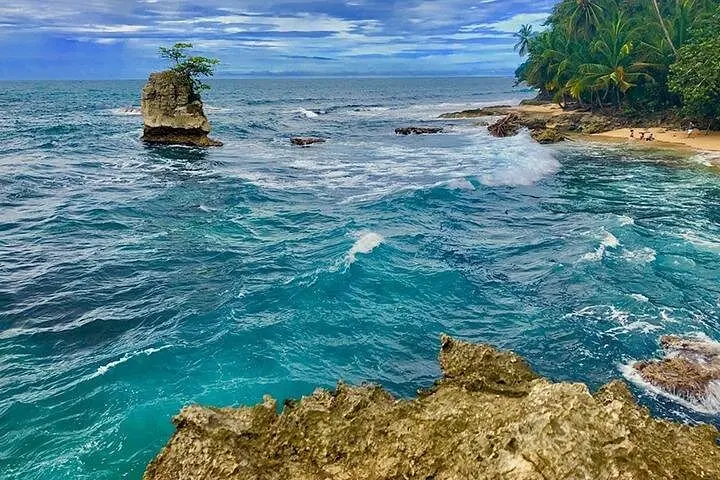
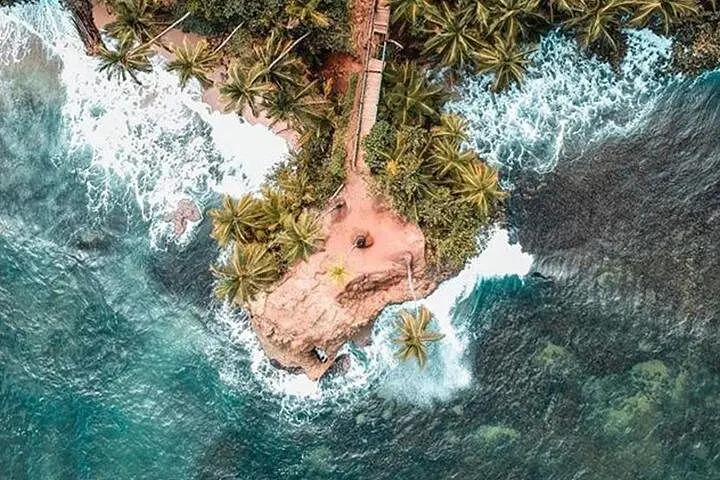
Expect a coastal hike of modest distance on compacted forest paths and occasional roots and sandy detours, ending at a bluff with ocean views and a quick fruit snack. The second half visits the Ara Project sanctuary where free-flying macaws often return to the feeding stations—camera ready.
Practical notes: wear close-toed shoes with grip, bring insect repellent and reef-safe sunscreen, and plan around mid-morning bird activity for best sightings. Hydrate before you start; shade is frequent but humidity is constant. Leave nothing behind: stay on trails, respect nesting beaches and support local guides—your presence pays for the refuge’s protection and the macaws’ future.
The full activity runs about 4 hours with roughly 1–2 hours of on-trail hiking mixed with stops and a viewpoint snack.
Yes; the route is family-friendly, but children should be supervised around cliffs and on sandy beach sections.
Sightings are common, especially near Ara Project feeding areas, but wild animals cannot be guaranteed—visiting times and seasonal movements influence visibility.
Trails remain passable after light rain but can be slippery; guides may modify the route or timing if conditions are unsafe.
Caribe Fun Tours operates guided outdoor trips and adventures with an emphasis on safety, stewardship, and memorable experiences.
You arrive in Manzanillo with humidity on your skin and the sound of surf rolling like a distant drum. The trail moves through lowland rainforest where buttress roots angle like old hands and the air tastes of salt and green leaf. Your guide steps lightly, pausing when the canopy shifts—a macaw wing, a sloth’s slow blink—inviting you to watch and wait.
You arrive in Manzanillo with humidity on your skin and the sound of surf rolling like a distant drum. The trail moves through lowland rainforest where buttress roots angle like old hands and the air tastes of salt and green leaf. Your guide steps lightly, pausing when the canopy shifts—a macaw wing, a sloth’s slow blink—inviting you to watch and wait.
Gandoca-Manzanillo Refuge protects a stretch of Caribbean coastline that alternates white sand, mangrove lagoon, and reef-fringed bay. Geologically it’s young coastal plain: shifting sands, coral substrates offshore and nutrient-heavy rivers that feed a dense mosaic of forest. Culturally the area sits on Bribri and Cabécar territory and long-standing local stewardship blends fishing, small-scale farming, and growing conservation work such as the Ara Project, which focuses on reintroducing the endangered Great Green Macaw.
Expect a coastal hike of modest distance on compacted forest paths and occasional roots and sandy detours, ending at a bluff with ocean views and a quick fruit snack. The second half visits the Ara Project sanctuary where free-flying macaws often return to the feeding stations—camera ready.
Practical notes: wear close-toed shoes with grip, bring insect repellent and reef-safe sunscreen, and plan around mid-morning bird activity for best sightings. Hydrate before you start; shade is frequent but humidity is constant. Leave nothing behind: stay on trails, respect nesting beaches and support local guides—your presence pays for the refuge’s protection and the macaws’ future.