THE ADVENTURE COLLECTIVE® · Independent discovery and booking for outdoor travel

Witness the Ganga aarti—a moving river ceremony of lamps, chants and priestly ritual—across Haridwar and Rishikesh on a four-day guided tour. Expect guided temple visits, ghats at dawn and dusk, and practical guidance for navigating crowds and ceremonial etiquette.
Witness the Ganga aarti—a moving river ceremony of lamps, chants and priestly ritual—across Haridwar and Rishikesh on a four-day guided tour. Expect guided temple visits, ghats at dawn and dusk, and practical guidance for navigating crowds and ceremonial etiquette.
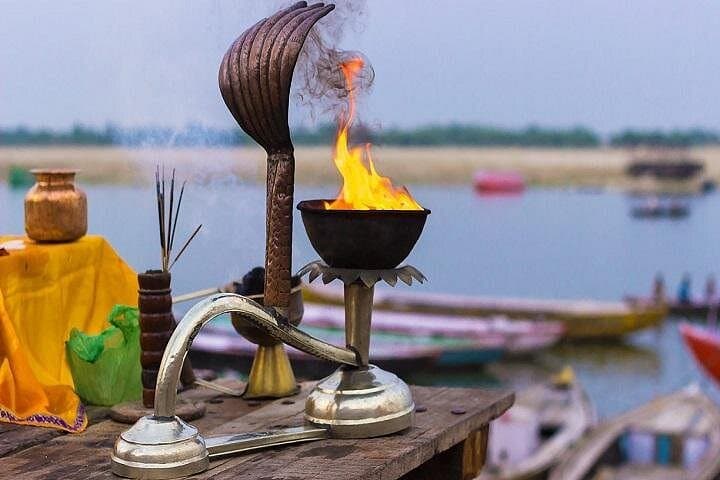
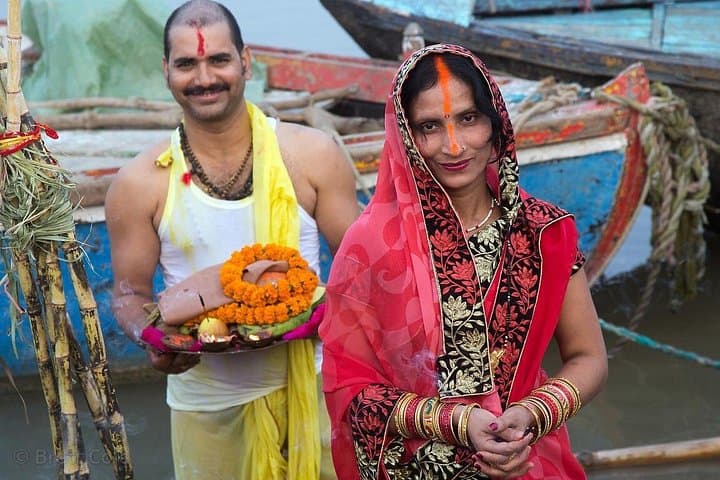
Night on the ghats begins with a hush that the river breaks—hundreds of tiny lamps float downstream as priests in dhoti and kurta move in a steady clockwise arc, their brass aartis throwing warm light across faces turned toward the Ganges. The flame’s rhythm, the chant’s cadence and the river’s slow current set the tempo for an evening you’ll feel before you catalog it.
Verified experiences and guided adventures in the surrounding area.
Operated by Memorable India - Tour Operator · Haridwar, Uttarakhand
Night on the ghats begins with a hush that the river breaks—hundreds of tiny lamps float downstream as priests in dhoti and kurta move in a steady clockwise arc, their brass aartis throwing warm light across faces turned toward the Ganges. The flame’s rhythm, the chant’s cadence and the river’s slow current set the tempo for an evening you’ll feel before you catalog it.
Haridwar marks the point where the Ganges emerges from the Himalayan foothills; Rishikesh sits a short drive upstream as a center for yoga and spiritual study. Geologically the area is the Sivalik foothills’ plain, where sediment-laden waters widen and slow, creating the broad, stepped ghats used for bathing and ritual. Culturally, the aarti is both private devotion and public theater—rooted in centuries of river worship and amplified during festivals such as the Kanwar Mela and Kumbh gatherings.
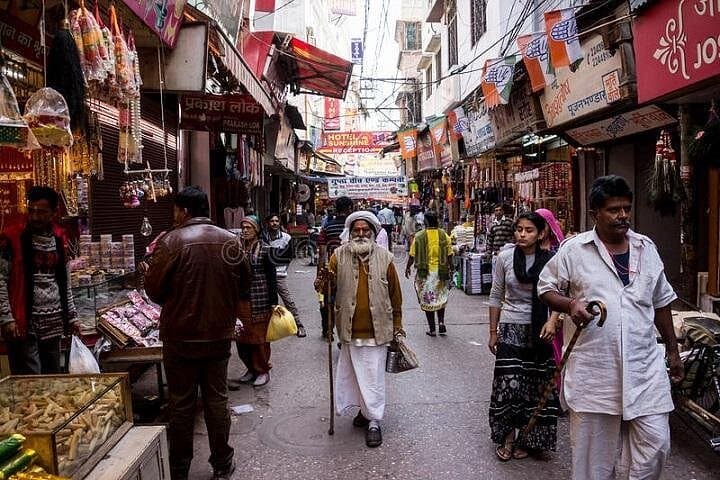
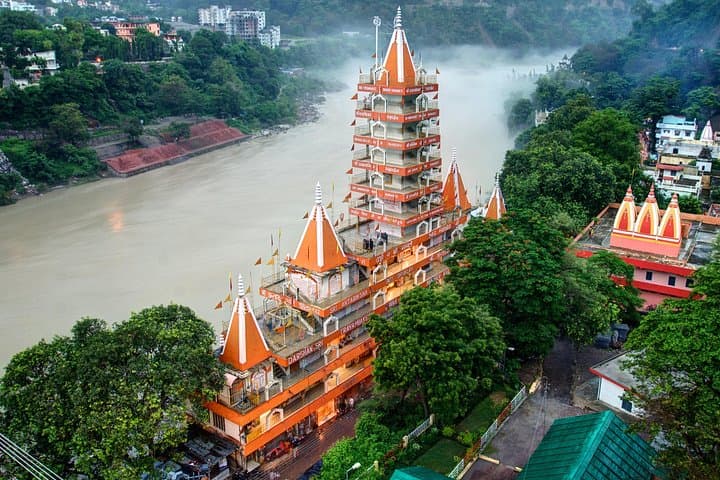
Practically, expect a four-day itinerary with local transfers, guided visits to Har Ki Pauri, Mansa Devi and Chandi Devi temples, Ram Jhula and several ashrams, and time to observe both sunrise and sunset ceremonies. The ghats are steep and can be crowded; bring non-slip shoes, dress modestly, and plan for long periods on your feet. Photography is common but follow the lead of guides and worshipers—some moments are for watching, not shooting. Hydrate, carry small change for offerings, and choose early or late aarti slots to avoid peak crowds. The experience is sensory and straightforward: prayer, light, river—an entry point to the religions, history and everyday rhythms of north India’s sacred river culture.
Accommodations and offered meals are vegetarian since Haridwar and Rishikesh are holy places; travelers with other dietary needs should notify the operator in advance.
Photography is allowed in many areas, but be respectful—avoid flash and ask before photographing devotees or priests; follow guide instructions during crowded moments.
Some parts of the itinerary and ghats have steps and uneven surfaces, but the operator lists wheelchair accessibility for transfers; notify them ahead to plan alternate viewpoints.
Sunset aarti in Haridwar is most dramatic and busiest; sunrise aarti and smaller ceremonies in Rishikesh offer quieter experiences—arrive early for either.
Memorable India - Tour Operator operates guided outdoor trips and adventures with an emphasis on safety, stewardship, and memorable experiences.
Night on the ghats begins with a hush that the river breaks—hundreds of tiny lamps float downstream as priests in dhoti and kurta move in a steady clockwise arc, their brass aartis throwing warm light across faces turned toward the Ganges. The flame’s rhythm, the chant’s cadence and the river’s slow current set the tempo for an evening you’ll feel before you catalog it.
Night on the ghats begins with a hush that the river breaks—hundreds of tiny lamps float downstream as priests in dhoti and kurta move in a steady clockwise arc, their brass aartis throwing warm light across faces turned toward the Ganges. The flame’s rhythm, the chant’s cadence and the river’s slow current set the tempo for an evening you’ll feel before you catalog it.
Haridwar marks the point where the Ganges emerges from the Himalayan foothills; Rishikesh sits a short drive upstream as a center for yoga and spiritual study. Geologically the area is the Sivalik foothills’ plain, where sediment-laden waters widen and slow, creating the broad, stepped ghats used for bathing and ritual. Culturally, the aarti is both private devotion and public theater—rooted in centuries of river worship and amplified during festivals such as the Kanwar Mela and Kumbh gatherings.
Practically, expect a four-day itinerary with local transfers, guided visits to Har Ki Pauri, Mansa Devi and Chandi Devi temples, Ram Jhula and several ashrams, and time to observe both sunrise and sunset ceremonies. The ghats are steep and can be crowded; bring non-slip shoes, dress modestly, and plan for long periods on your feet. Photography is common but follow the lead of guides and worshipers—some moments are for watching, not shooting. Hydrate, carry small change for offerings, and choose early or late aarti slots to avoid peak crowds. The experience is sensory and straightforward: prayer, light, river—an entry point to the religions, history and everyday rhythms of north India’s sacred river culture.