THE ADVENTURE COLLECTIVE® · Independent discovery and booking for outdoor travel

Escape Seoul for a day on Ganghwado: tidal flats, prehistoric dolmens on low ridgelines, hilltop temples, and a Peace Observatory overlooking North Korea. This private tour pairs easy walks with compact history and practical transport, ideal for a focused cultural day trip.
Escape Seoul for a day on Ganghwado: tidal flats, prehistoric dolmens on low ridgelines, hilltop temples, and a Peace Observatory overlooking North Korea. This private tour pairs easy walks with compact history and practical transport, ideal for a focused cultural day trip.
You step off the ferry of traffic and into a different rhythm: tidal flats stretch like a palette of mud and water, gulls wheel above rice paddies, and a low ridge holds centuries of stones and temples.
Verified experiences and guided adventures in the surrounding area.
Operated by Dahae DMC · Ganghwa, Incheon
You step off the ferry of traffic and into a different rhythm: tidal flats stretch like a palette of mud and water, gulls wheel above rice paddies, and a low ridge holds centuries of stones and temples.
Ganghwado sits at the mouth of the Han River, its hills once chosen as a refuge when the Mongols swept the mainland and later as a strategic choke point in 19th‑century clashes with foreign navies. The island’s geology—rocky ridgelines rising 100–200 meters above tidal plains—made it ideal for prehistoric dolmen burials; the Ganghwa dolmen field preserves dozens of Northern‑style megaliths arranged where farmers now plant barley.
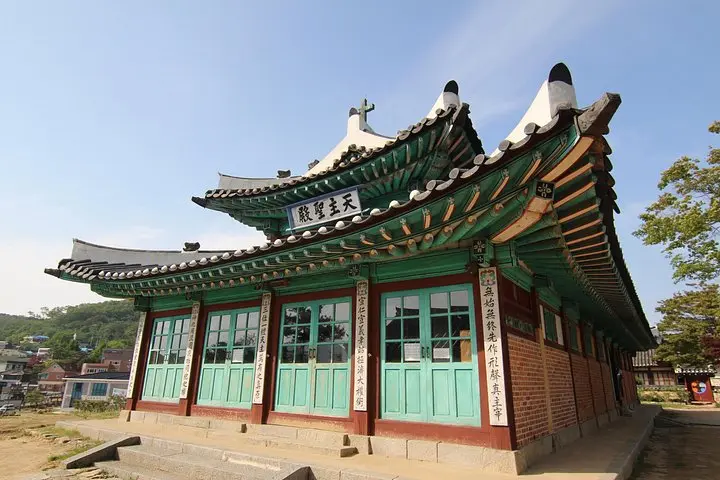
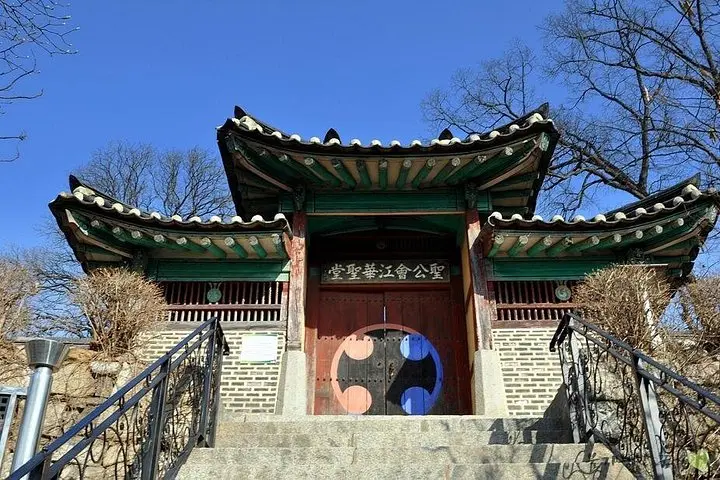
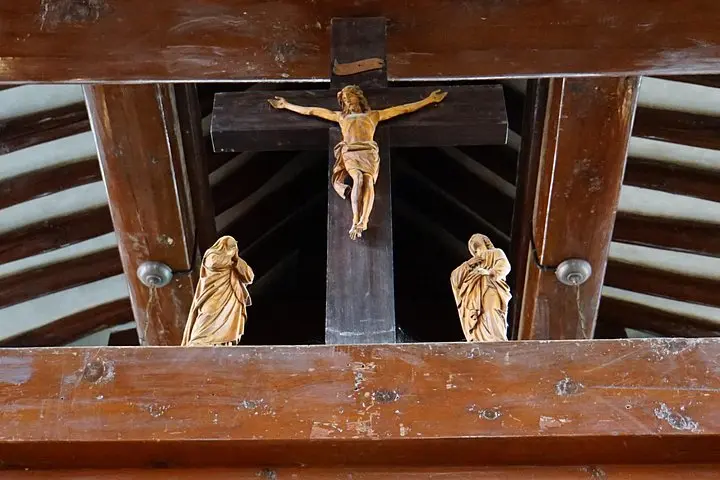
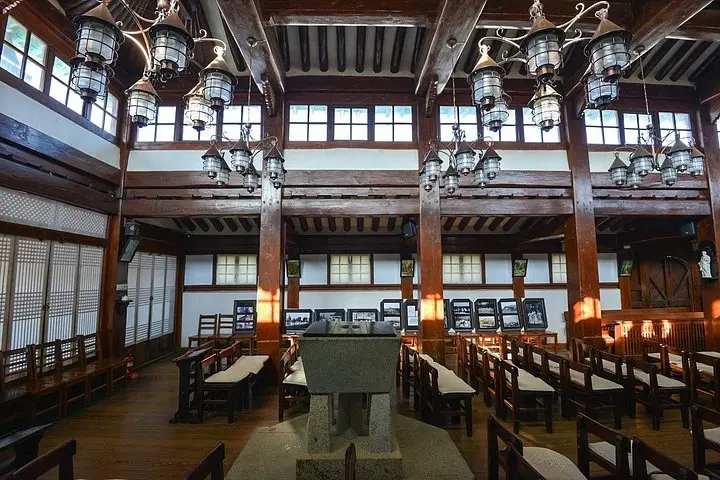
Culture here is unhurried: wooden temple halls, an Anglican church from 1900, and a reconstructed Goryeo palace recall eras of resistance and exchange. At the Peace Observatory the land across the river refuses to be distant history; telescopes and interpretation boards make the Cold War visible in everyday detail.
Practical edge: this private full‑day tour covers multiple sites and includes air‑conditioned transport, so you can focus on walking short trails, climbing temple steps, and timing a dolmen sunset. Expect uneven ground, stone steps, and exposure on ridgelines—comfortable shoes and layers matter. Start early from Seoul to beat traffic, carry water and sun protection in summer, and allow extra time for photography at Jeondeungsa and the dolmen plateau.
Whether you come for archaeology, a quiet temple, or a window onto the DMZ, Ganghwa rewards a curious pace: the landscape nudges you to look up from maps to the stones, the sea, and the horizon beyond.
Yes—the tour includes private, air‑conditioned transportation between island sites; it’s a door‑to‑door day trip when picked up from Seoul.
Most listed admissions are included on the itinerary (dolmen site, Peace Observatory, temple entries), but confirm with the operator for any optional exhibits or special displays.
Yes—on clear days telescopes and viewing platforms allow observation of North Korean villages and terrain, though visibility depends on weather and seasonal haze.
Stroller access is possible on flat sections, but many temple areas and dolmen fields have steps or uneven ground; infants are typically required to sit on a lap during transport.
Dahae DMC operates guided outdoor trips and adventures with an emphasis on safety, stewardship, and memorable experiences.
You step off the ferry of traffic and into a different rhythm: tidal flats stretch like a palette of mud and water, gulls wheel above rice paddies, and a low ridge holds centuries of stones and temples.
You step off the ferry of traffic and into a different rhythm: tidal flats stretch like a palette of mud and water, gulls wheel above rice paddies, and a low ridge holds centuries of stones and temples.
Ganghwado sits at the mouth of the Han River, its hills once chosen as a refuge when the Mongols swept the mainland and later as a strategic choke point in 19th‑century clashes with foreign navies. The island’s geology—rocky ridgelines rising 100–200 meters above tidal plains—made it ideal for prehistoric dolmen burials; the Ganghwa dolmen field preserves dozens of Northern‑style megaliths arranged where farmers now plant barley.
Culture here is unhurried: wooden temple halls, an Anglican church from 1900, and a reconstructed Goryeo palace recall eras of resistance and exchange. At the Peace Observatory the land across the river refuses to be distant history; telescopes and interpretation boards make the Cold War visible in everyday detail.
Practical edge: this private full‑day tour covers multiple sites and includes air‑conditioned transport, so you can focus on walking short trails, climbing temple steps, and timing a dolmen sunset. Expect uneven ground, stone steps, and exposure on ridgelines—comfortable shoes and layers matter. Start early from Seoul to beat traffic, carry water and sun protection in summer, and allow extra time for photography at Jeondeungsa and the dolmen plateau.
Whether you come for archaeology, a quiet temple, or a window onto the DMZ, Ganghwa rewards a curious pace: the landscape nudges you to look up from maps to the stones, the sea, and the horizon beyond.