THE ADVENTURE COLLECTIVE® · Independent discovery and booking for outdoor travel

A four-day private circuit from Bagdogra to Gangtok that pairs monastery visits with high-alpine panoramas. Explore Rumtek and Enchey, stand at Tashi Viewpoint for Himalayan vistas, and take the regulated excursion to Tsomgo Lake and Baba Mandir.
A four-day private circuit from Bagdogra to Gangtok that pairs monastery visits with high-alpine panoramas. Explore Rumtek and Enchey, stand at Tashi Viewpoint for Himalayan vistas, and take the regulated excursion to Tsomgo Lake and Baba Mandir.
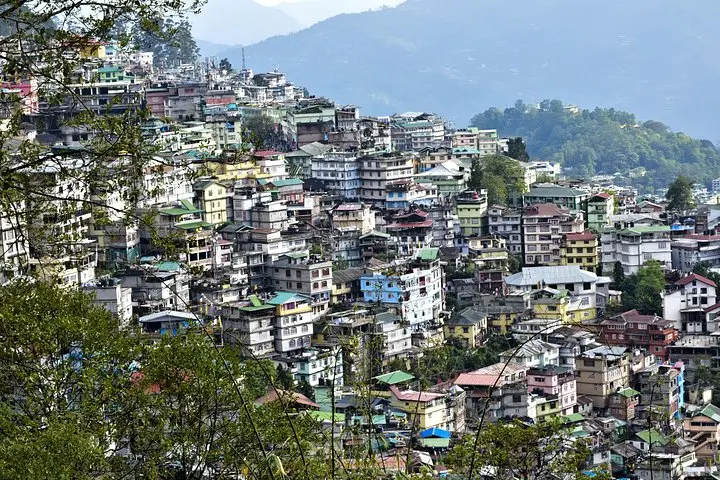
You arrive to a thin, crisp air that smells faintly of pine and frying spices. The road from Bagdogra climbs out of the plains and the cityscape loosens into terrace farms and hairpin turns; by the time Gangtok appears, the town is a patchwork of colorful houses clinging to steep gullies and prayer flags snapping like small banners of motion.
Verified experiences and guided adventures in the surrounding area.
Operated by Agora Voyages Pvt. Ltd. · Gangtok, Sikkim
You arrive to a thin, crisp air that smells faintly of pine and frying spices. The road from Bagdogra climbs out of the plains and the cityscape loosens into terrace farms and hairpin turns; by the time Gangtok appears, the town is a patchwork of colorful houses clinging to steep gullies and prayer flags snapping like small banners of motion.
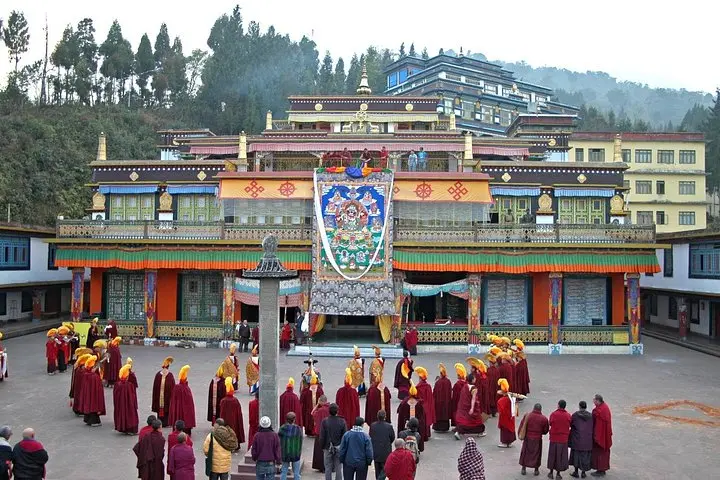
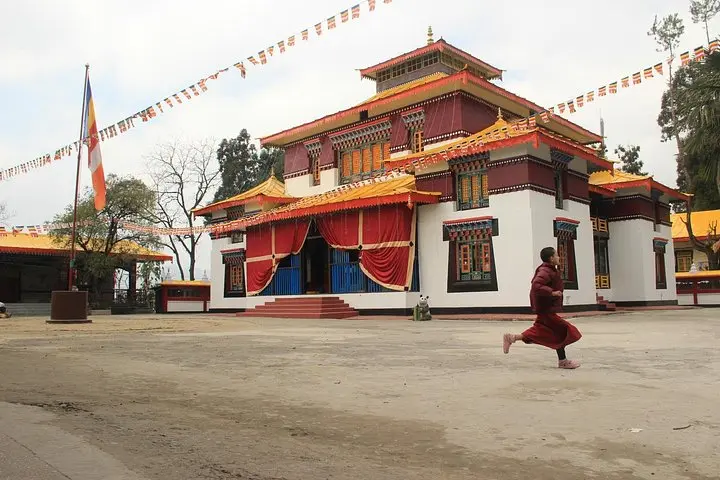
Day two opens with the hush of monastery courtyards. Rumtek dominates the skyline with its ochre walls and tiered roofs; inside, butter-lamps and murals draw your eye to ornate thangka hangings and monks moving with deliberate pace. Later, at Enchey Monastery, wind pushes through rhododendron branches and prayer wheels click in time with the valley’s slow breath. Tashi Viewpoint offers a theatrical stage for the Himalaya—on clear mornings, the eastern view cuts a silver edge of the Kanchenjunga range into the horizon.
The geology here is loud in subtle ways: old thrust plates folded into jagged ridgelines, glacial tarns like Tsomgo formed where ice once gouged hollows and left behind alpine wetlands. Tsomgo Lake changes color with the light and season, sometimes glassy-blue, sometimes edged in snow. The Kyongnosla Alpine Sanctuary that frames the road to the lake is a small pocket of high-altitude biodiversity—rhododendrons, dwarf pines and orchids that climb toward the thin sun.
Culturally, Gangtok sits at a crossroads. Sikkim’s Buddhist traditions—Lamaist rituals, masked dances, and cottage industries of thangka painting and handloom—are visible in market stalls and monastery treasuries. Rumtek is the seat-in-exile of the Kagyu lineage of Tibetan Buddhism, and visits often feel like stepping into ongoing practice more than into a museum.
Practical guidance: the tour is light on trekking but high on altitude—Tsomgo sits above 3,750 m—so plan for brisk mornings, slower exertion, and at least one day to acclimatize if you’re coming from sea level. Wear layered clothing, sturdy walking shoes with good grip for wet stone steps, and carry water and sunscreen; small shops line MG Road, but cash can still be useful at roadside stalls. Permits are required for Tsomgo Lake excursions—your operator handles this, but carry ID.
Timing: spring (March–May) brings rhododendron blooms and clear skies; autumn (September–November) offers the best long-range visibility. Winters can be cold with possible road closures; summers are wet and green but cloudier. Respect the monasteries: dress modestly, remove hats when inside, and ask before photographing monks.
This is an itinerary that balances slow cultural immersion with alpine spectacle—perfect for travelers who want Himalayan views without heavy trekking, who appreciate living traditions, and who like to plan from a practical pack list rather than a heavy mountaineering kit.
Yes—visits to Tsomgo Lake are regulated; the tour operator arranges the permit but you must carry valid photo ID.
Gangtok is mild to cool (5–20°C depending on season); Tsomgo can drop below freezing in winter—bring warm layers year-round.
Breakfasts are included for the three hotel nights; other meals depend on your booking option—local eateries on MG Road offer a range of choices.
Yes—the itinerary is low-impact and vehicle-based; infant seats can be provided on request.
Private format allows customization—contact the operator ahead of travel to change hotels, add excursions or extend stays.
Stay hydrated, avoid alcohol before high-altitude stops, and inform the guide of any breathing or heart conditions; carry basic medication for altitude symptoms.
Agora Voyages Pvt. Ltd. operates guided outdoor trips and adventures with an emphasis on safety, stewardship, and memorable experiences.
You arrive to a thin, crisp air that smells faintly of pine and frying spices. The road from Bagdogra climbs out of the plains and the cityscape loosens into terrace farms and hairpin turns; by the time Gangtok appears, the town is a patchwork of colorful houses clinging to steep gullies and prayer flags snapping like small banners of motion.
You arrive to a thin, crisp air that smells faintly of pine and frying spices. The road from Bagdogra climbs out of the plains and the cityscape loosens into terrace farms and hairpin turns; by the time Gangtok appears, the town is a patchwork of colorful houses clinging to steep gullies and prayer flags snapping like small banners of motion.
Day two opens with the hush of monastery courtyards. Rumtek dominates the skyline with its ochre walls and tiered roofs; inside, butter-lamps and murals draw your eye to ornate thangka hangings and monks moving with deliberate pace. Later, at Enchey Monastery, wind pushes through rhododendron branches and prayer wheels click in time with the valley’s slow breath. Tashi Viewpoint offers a theatrical stage for the Himalaya—on clear mornings, the eastern view cuts a silver edge of the Kanchenjunga range into the horizon.
The geology here is loud in subtle ways: old thrust plates folded into jagged ridgelines, glacial tarns like Tsomgo formed where ice once gouged hollows and left behind alpine wetlands. Tsomgo Lake changes color with the light and season, sometimes glassy-blue, sometimes edged in snow. The Kyongnosla Alpine Sanctuary that frames the road to the lake is a small pocket of high-altitude biodiversity—rhododendrons, dwarf pines and orchids that climb toward the thin sun.
Culturally, Gangtok sits at a crossroads. Sikkim’s Buddhist traditions—Lamaist rituals, masked dances, and cottage industries of thangka painting and handloom—are visible in market stalls and monastery treasuries. Rumtek is the seat-in-exile of the Kagyu lineage of Tibetan Buddhism, and visits often feel like stepping into ongoing practice more than into a museum.
Practical guidance: the tour is light on trekking but high on altitude—Tsomgo sits above 3,750 m—so plan for brisk mornings, slower exertion, and at least one day to acclimatize if you’re coming from sea level. Wear layered clothing, sturdy walking shoes with good grip for wet stone steps, and carry water and sunscreen; small shops line MG Road, but cash can still be useful at roadside stalls. Permits are required for Tsomgo Lake excursions—your operator handles this, but carry ID.
Timing: spring (March–May) brings rhododendron blooms and clear skies; autumn (September–November) offers the best long-range visibility. Winters can be cold with possible road closures; summers are wet and green but cloudier. Respect the monasteries: dress modestly, remove hats when inside, and ask before photographing monks.
This is an itinerary that balances slow cultural immersion with alpine spectacle—perfect for travelers who want Himalayan views without heavy trekking, who appreciate living traditions, and who like to plan from a practical pack list rather than a heavy mountaineering kit.