THE ADVENTURE COLLECTIVE® · Independent discovery and booking for outdoor travel

Ride a 600m cable car to 1,100 m, then walk 2 km through caves with 60-million-year-old stalactites and stalagmites, followed by a guided tour of García. This 4–5 hour day tour blends geology, views and local culture near Monterrey.
Ride a 600m cable car to 1,100 m, then walk 2 km through caves with 60-million-year-old stalactites and stalagmites, followed by a guided tour of García. This 4–5 hour day tour blends geology, views and local culture near Monterrey.
The cable car lifts you over scrubby slopes and blocky ridgelines, dropping the town behind you and opening a broad view of Cerro de las Mitras, Cerro del Topo Chico and Cerro del Fraile. Wind picks at the cable; the mountains press close and the station perches at roughly 1,100 meters above sea level. From there the trail slides into dark: a 2-kilometer walk through caverns carved from limestone over tens of millions of years.
Verified experiences and guided adventures in the surrounding area.
Operated by Quality tours en monterrey · García, Nuevo León
The cable car lifts you over scrubby slopes and blocky ridgelines, dropping the town behind you and opening a broad view of Cerro de las Mitras, Cerro del Topo Chico and Cerro del Fraile. Wind picks at the cable; the mountains press close and the station perches at roughly 1,100 meters above sea level. From there the trail slides into dark: a 2-kilometer walk through caverns carved from limestone over tens of millions of years.
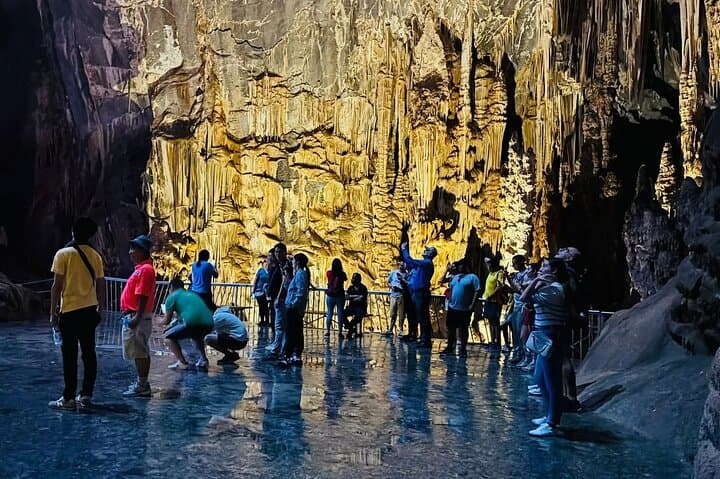
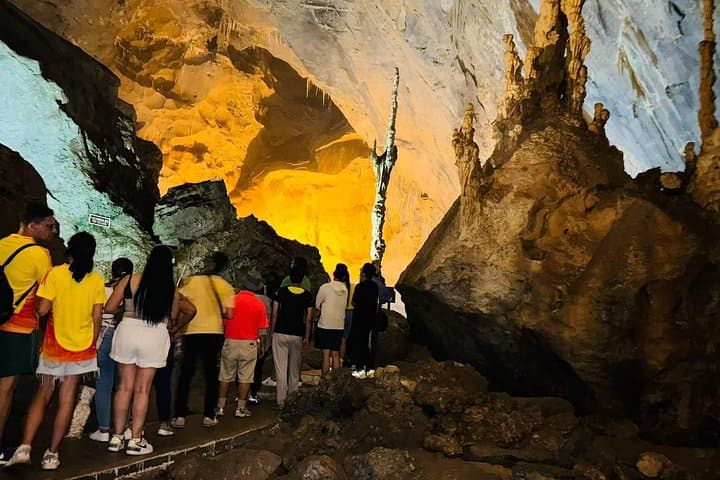
Geologically the Grutas de García are classic karst—acidic groundwater hollowed passages and left curtains, columns and pinprick pools. Stalactites and stalagmites that began their slow growth more than 60 million years ago hang like geological handwriting. Culturally the tour finishes in the town of García, where local guides point out regional architecture and recommend traditional dishes—an easy way to connect landscape and local life.
Practically: expect a 4–5 hour outing with a 600-meter cable car ascent and about two hours inside the grottoes. The route is well-marked but includes uneven floors, low ceilings and steps—closed-toe shoes and steady footing are required. The operator provides air-conditioned transport and a certified guide who narrates geology and history. Visitors with spinal, heart or pregnancy concerns should avoid the cave sections. Bring water, layers for cooler cave temperatures, and a camera with flash for stalagmite detail. Morning departures are cooler and easier for photography; mid-day can be warm on the approach. Respect signage: touching formations or leaving trails harms fragile cave ecosystems and the very features you came to see.
The guided route through the Grutas de García is approximately 2 km and typically takes around 90–120 minutes depending on group pace and stops for interpretation.
Yes—the 600-meter cable car ascent to the grotto entrance is included and provides panoramic views from about 1,100 meters above sea level.
The caves are generally suitable for most ages, but there are uneven surfaces and steps; children should be supervised and visitors with spinal, heart or pregnancy concerns should avoid the cave portion.
Photography is allowed, but flash may be necessary for good detail; avoid touching formations—oils from hands damage fragile stalactites and stalagmites.
Quality tours en monterrey operates guided outdoor trips and adventures with an emphasis on safety, stewardship, and memorable experiences.


The cable car lifts you over scrubby slopes and blocky ridgelines, dropping the town behind you and opening a broad view of Cerro de las Mitras, Cerro del Topo Chico and Cerro del Fraile. Wind picks at the cable; the mountains press close and the station perches at roughly 1,100 meters above sea level. From there the trail slides into dark: a 2-kilometer walk through caverns carved from limestone over tens of millions of years.
The cable car lifts you over scrubby slopes and blocky ridgelines, dropping the town behind you and opening a broad view of Cerro de las Mitras, Cerro del Topo Chico and Cerro del Fraile. Wind picks at the cable; the mountains press close and the station perches at roughly 1,100 meters above sea level. From there the trail slides into dark: a 2-kilometer walk through caverns carved from limestone over tens of millions of years.
Geologically the Grutas de García are classic karst—acidic groundwater hollowed passages and left curtains, columns and pinprick pools. Stalactites and stalagmites that began their slow growth more than 60 million years ago hang like geological handwriting. Culturally the tour finishes in the town of García, where local guides point out regional architecture and recommend traditional dishes—an easy way to connect landscape and local life.
Practically: expect a 4–5 hour outing with a 600-meter cable car ascent and about two hours inside the grottoes. The route is well-marked but includes uneven floors, low ceilings and steps—closed-toe shoes and steady footing are required. The operator provides air-conditioned transport and a certified guide who narrates geology and history. Visitors with spinal, heart or pregnancy concerns should avoid the cave sections. Bring water, layers for cooler cave temperatures, and a camera with flash for stalagmite detail. Morning departures are cooler and easier for photography; mid-day can be warm on the approach. Respect signage: touching formations or leaving trails harms fragile cave ecosystems and the very features you came to see.