THE ADVENTURE COLLECTIVE® · Independent discovery and booking for outdoor travel

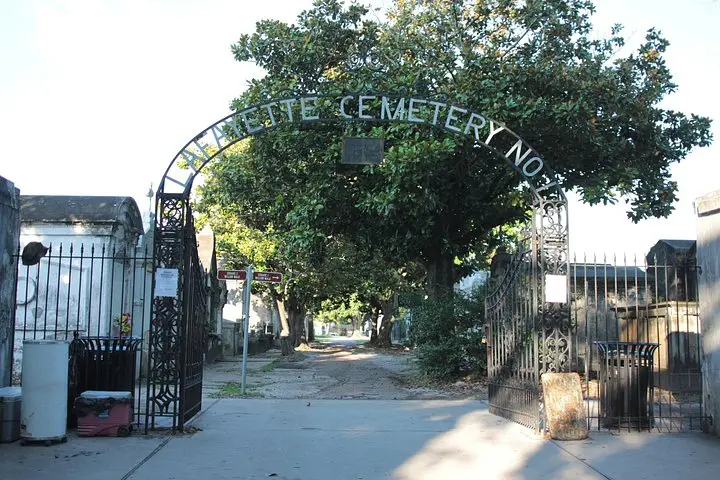
Walk two hours through the Garden District’s oak‑lined avenues to visit Lafayette Cemetery No. 1, historic mansions, and the Irish Channel. This guided tour combines architecture, immigrant stories, and local color with practical, accessible routing.
Walk two hours through the Garden District’s oak‑lined avenues to visit Lafayette Cemetery No. 1, historic mansions, and the Irish Channel. This guided tour combines architecture, immigrant stories, and local color with practical, accessible routing.
The walk begins at the corner of Washington Avenue and Prytania Street, where live oaks throw cool shade across the sidewalk and wrought‑iron gates stand open like chapters in a history book.
Verified experiences and guided adventures in the surrounding area.
Operated by Tours By NOLA - New Orleans Local Artists · New Orleans, Louisiana
The walk begins at the corner of Washington Avenue and Prytania Street, where live oaks throw cool shade across the sidewalk and wrought‑iron gates stand open like chapters in a history book.
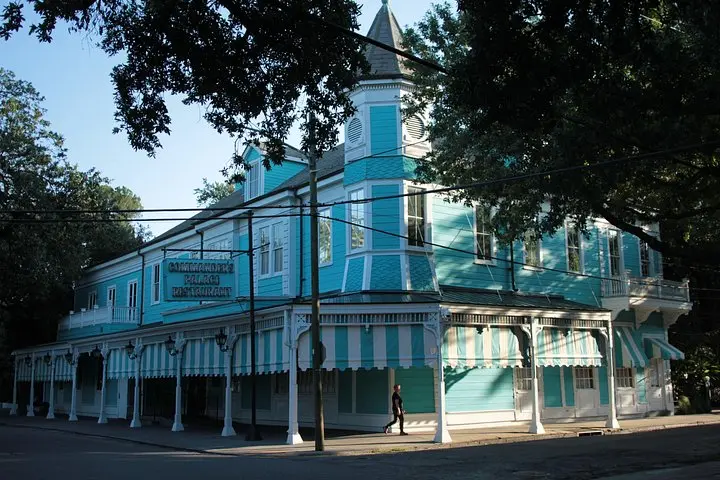
Over two hours a licensed local guide moves a small group through Lafayette Cemetery No. 1, down Washington and Prytania, and into the edges of the Irish Channel. You’ll pass antebellum and post‑Civil War mansions—brick facades, Greek Revival columns, and ornate cast‑iron balconies—that reflect New Orleans’ 19th‑century growth when plantation parcels were subdivided into neighborhoods for rising merchants and immigrant workers.
Geology here is flat coastal plain; drainage canals and the city’s elevation history shaped how neighborhoods were built and who settled where. The cultural layers are visible in house styles, funerary architecture of the cemetery’s above‑ground tombs, and the street names that echo immigrant communities: American sector, Irish Channel, Creole quarters.
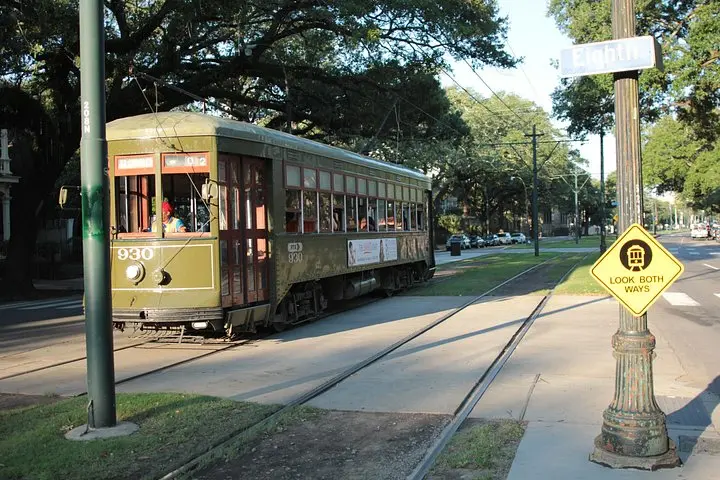
Practical guidance: the route is roughly 1.5–2 miles on paved sidewalks with minimal elevation change—expect standing and slow walking for two hours. Wear comfortable walking shoes, sun protection, and bring a refillable water bottle; a streetcar stop on St. Charles is a short walk away for easy return transit. The tour is wheelchair and stroller accessible in many parts but check with the operator about surfaces at specific stops. Respect private property and keep voices low inside the cemetery; photo etiquette matters.
This is a compact, sensory slice of New Orleans history—good for curious travelers who want architecture, social history, and neighborhood stories without a strenuous hike.
Meet in front of the Rink by the historical Garden District Marker at Washington Avenue and Prytania Street; the guide will be waiting there.
Much of the route is wheelchair and stroller accessible, but surfaces at specific stops like cemetery approaches can vary—contact the operator for accessibility details before booking.
Yes—children and infants are welcome; strollers are permitted but be prepared for some narrow sidewalk sections and pauses during storytelling.
Full refunds are available if you cancel at least 24 hours before the scheduled departure; check your booking confirmation for details.
Tours By NOLA - New Orleans Local Artists operates guided outdoor trips and adventures with an emphasis on safety, stewardship, and memorable experiences.

The walk begins at the corner of Washington Avenue and Prytania Street, where live oaks throw cool shade across the sidewalk and wrought‑iron gates stand open like chapters in a history book.
The walk begins at the corner of Washington Avenue and Prytania Street, where live oaks throw cool shade across the sidewalk and wrought‑iron gates stand open like chapters in a history book.
Over two hours a licensed local guide moves a small group through Lafayette Cemetery No. 1, down Washington and Prytania, and into the edges of the Irish Channel. You’ll pass antebellum and post‑Civil War mansions—brick facades, Greek Revival columns, and ornate cast‑iron balconies—that reflect New Orleans’ 19th‑century growth when plantation parcels were subdivided into neighborhoods for rising merchants and immigrant workers.
Geology here is flat coastal plain; drainage canals and the city’s elevation history shaped how neighborhoods were built and who settled where. The cultural layers are visible in house styles, funerary architecture of the cemetery’s above‑ground tombs, and the street names that echo immigrant communities: American sector, Irish Channel, Creole quarters.
Practical guidance: the route is roughly 1.5–2 miles on paved sidewalks with minimal elevation change—expect standing and slow walking for two hours. Wear comfortable walking shoes, sun protection, and bring a refillable water bottle; a streetcar stop on St. Charles is a short walk away for easy return transit. The tour is wheelchair and stroller accessible in many parts but check with the operator about surfaces at specific stops. Respect private property and keep voices low inside the cemetery; photo etiquette matters.
This is a compact, sensory slice of New Orleans history—good for curious travelers who want architecture, social history, and neighborhood stories without a strenuous hike.