THE ADVENTURE COLLECTIVE® · Independent discovery and booking for outdoor travel

Stroll oak-lined streets and past grand antebellum homes with a local guide who brings the Garden District’s architecture, cemeteries, and immigrant histories to life. This accessible two-hour walk finishes near the St. Charles streetcar so you can extend your New Orleans exploration.
Stroll oak-lined streets and past grand antebellum homes with a local guide who brings the Garden District’s architecture, cemeteries, and immigrant histories to life. This accessible two-hour walk finishes near the St. Charles streetcar so you can extend your New Orleans exploration.
You meet your guide at the historical marker on Prytania Street and the city opens up in oak-shaded frames: wrought-iron fences, painted-façade mansions, and the low, steady rumble of the St. Charles streetcar in the distance. The walk moves at a respectful pace—two hours of close-up architecture, gated courtyards, and the clipped cadence of neighborhood life.
Verified experiences and guided adventures in the surrounding area.
Operated by Intrepid Urban Adventures - USA · New Orleans, Louisiana
You meet your guide at the historical marker on Prytania Street and the city opens up in oak-shaded frames: wrought-iron fences, painted-façade mansions, and the low, steady rumble of the St. Charles streetcar in the distance. The walk moves at a respectful pace—two hours of close-up architecture, gated courtyards, and the clipped cadence of neighborhood life.
The Garden District grew in the 19th century as New Orleans’ American sector, a stretch of antebellum and Victorian homes built on the city’s raised plots. Geology matters here: settled on Mississippi River alluvium, the neighborhood’s above-ground burial traditions — visible at Lafayette Cemetery’s gated entrances — are a practical response to frequent flooding. Culture shows in details: the elegant Victorian of Commander’s Palace, the practical shotgun houses of the adjacent Irish Channel, and the immigrant stories etched into shopfronts along Magazine Street.
Local insights come from guides who point out Fire Station #23, the Fitzgerald residence, and quieter corners where magnolias spill pollen like confetti. The tour is small-group (max 12), accessible, and designed to finish near the St. Charles line so you can continue exploring.
Practicalities: this is an easy, mostly-flat urban walk—comfortable shoes and a refillable water bottle are essential. Summer brings heat and humidity; spring and fall are ideal for cooler light. Lafayette Cemetery remains closed for repairs, but guides discuss its history at nearby gates. The tour goes rain or shine; bring a lightweight rain jacket if showers are possible. Expect roughly two hours of walking and plenty of stops for stories and photos.
Not currently — Lafayette Cemetery is closed for repairs; the guide will explain its history and point out notable tombs from nearby gated entrances.
Yes — routes and surfaces are described as wheelchair- and stroller-accessible; notify the operator of special requirements when booking.
About two hours with frequent stops for stories and photos; the route is mostly flat and suitable for casual walkers.
Gratuity is not included in the price but is customary if you enjoyed the tour; guides appreciate cash or card tips at the end.
Intrepid Urban Adventures - USA operates guided outdoor trips and adventures with an emphasis on safety, stewardship, and memorable experiences.

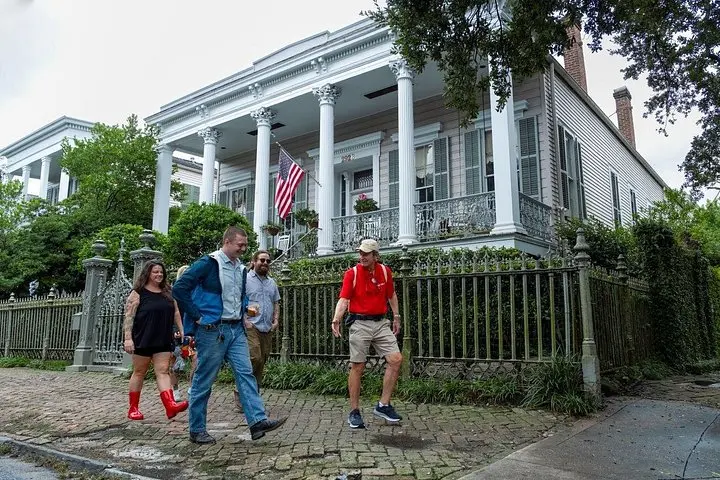

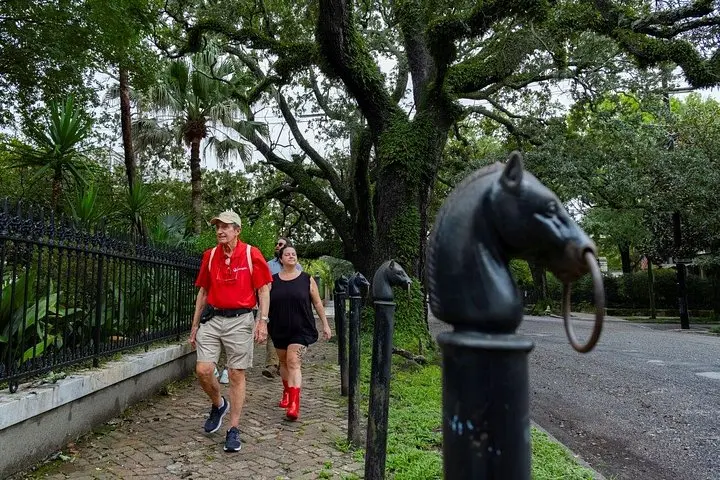
You meet your guide at the historical marker on Prytania Street and the city opens up in oak-shaded frames: wrought-iron fences, painted-façade mansions, and the low, steady rumble of the St. Charles streetcar in the distance. The walk moves at a respectful pace—two hours of close-up architecture, gated courtyards, and the clipped cadence of neighborhood life.
You meet your guide at the historical marker on Prytania Street and the city opens up in oak-shaded frames: wrought-iron fences, painted-façade mansions, and the low, steady rumble of the St. Charles streetcar in the distance. The walk moves at a respectful pace—two hours of close-up architecture, gated courtyards, and the clipped cadence of neighborhood life.
The Garden District grew in the 19th century as New Orleans’ American sector, a stretch of antebellum and Victorian homes built on the city’s raised plots. Geology matters here: settled on Mississippi River alluvium, the neighborhood’s above-ground burial traditions — visible at Lafayette Cemetery’s gated entrances — are a practical response to frequent flooding. Culture shows in details: the elegant Victorian of Commander’s Palace, the practical shotgun houses of the adjacent Irish Channel, and the immigrant stories etched into shopfronts along Magazine Street.
Local insights come from guides who point out Fire Station #23, the Fitzgerald residence, and quieter corners where magnolias spill pollen like confetti. The tour is small-group (max 12), accessible, and designed to finish near the St. Charles line so you can continue exploring.
Practicalities: this is an easy, mostly-flat urban walk—comfortable shoes and a refillable water bottle are essential. Summer brings heat and humidity; spring and fall are ideal for cooler light. Lafayette Cemetery remains closed for repairs, but guides discuss its history at nearby gates. The tour goes rain or shine; bring a lightweight rain jacket if showers are possible. Expect roughly two hours of walking and plenty of stops for stories and photos.