THE ADVENTURE COLLECTIVE® · Independent discovery and booking for outdoor travel

A steep, intimate hike through Tijuca National Park to a cave-like notch on Pedra da Gávea that frames São Conrado and Dois Irmãos. This private tour blends intense scrambling, rich Atlantic Forest, and one of Rio’s most unusual viewpoints.
A steep, intimate hike through Tijuca National Park to a cave-like notch on Pedra da Gávea that frames São Conrado and Dois Irmãos. This private tour blends intense scrambling, rich Atlantic Forest, and one of Rio’s most unusual viewpoints.
The trail opens with the Atlantic Forest pressing close: humid air, a chorus of birds, and a narrow path that climbs sharply toward a seam in the rock. Hikers move through a layered canopy until the trail spits them out at Garganta do Céu, a cave-like notch on Pedra da Gávea’s southern face that frames São Conrado and Dois Irmãos in an unusual, cinematic angle.
Verified experiences and guided adventures in the surrounding area.
Operated by Nattrip - Tourism, Ecotourism and Adventure in Rio de Janeiro · Rio de Janeiro, Rio de Janeiro
The trail opens with the Atlantic Forest pressing close: humid air, a chorus of birds, and a narrow path that climbs sharply toward a seam in the rock. Hikers move through a layered canopy until the trail spits them out at Garganta do Céu, a cave-like notch on Pedra da Gávea’s southern face that frames São Conrado and Dois Irmãos in an unusual, cinematic angle.
Geologically, Pedra da Gávea is a granite monolith carved by erosion and joints; its steep south face creates dramatic viewpoints and requires firm footing. The massif sits inside Tijuca National Park, one of the world’s largest urban forests, reclaimed and replanted in the 19th century during Rio’s reforestation efforts. Cultural lore follows the rock—stories of an ancient face and maritime inscriptions—but the real draw is the raw interplay of city, ocean, and forest.
Expect steep, technical walking rather than a casual stroll: sections are short but intense, with route-finding through dense vegetation and rock steps that reward you with sweeping panoramas. The operator provides a guide and basic equipment; a mandatory backpack and steady pace make this an attainable yet demanding half-day to full-day outing.
Plan for heat, sudden showers, and slippery granite after rain. Carry 2–3 liters of water, sun protection, and layered clothing; start early to avoid afternoon mugginess and crowds. Wildlife—marmosets and resident birds—may appear along the way, and etiquette matters: stay on trail, pack out waste, and give wildlife space. For fit hikers who seek a dramatic, less-traveled viewpoint of Rio, Garganta do Céu delivers a compact, memorable climb.
This is a demanding trail with steep sections and short scrambling; hikers should have good cardiovascular fitness and prior experience on steep terrain.
No technical climbing gear is required for the Garganta do Céu route, but basic scrambling and secure footing are necessary; the guide provides basic safety equipment if needed.
Minimum age is 10; children should be comfortable with long uphill sections and guided pace—confirm with the operator before booking.
Tours are subject to cancellation in poor weather for safety; operators will offer an alternate date or refund per the cancellation policy.
Nattrip - Tourism, Ecotourism and Adventure in Rio de Janeiro operates guided outdoor trips and adventures with an emphasis on safety, stewardship, and memorable experiences.
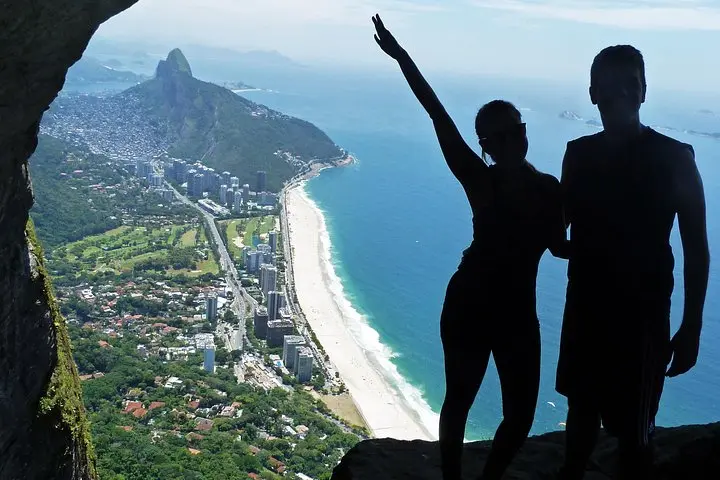
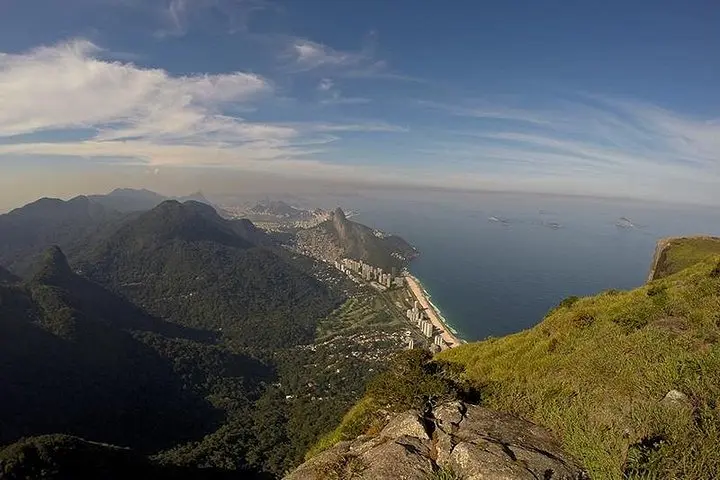
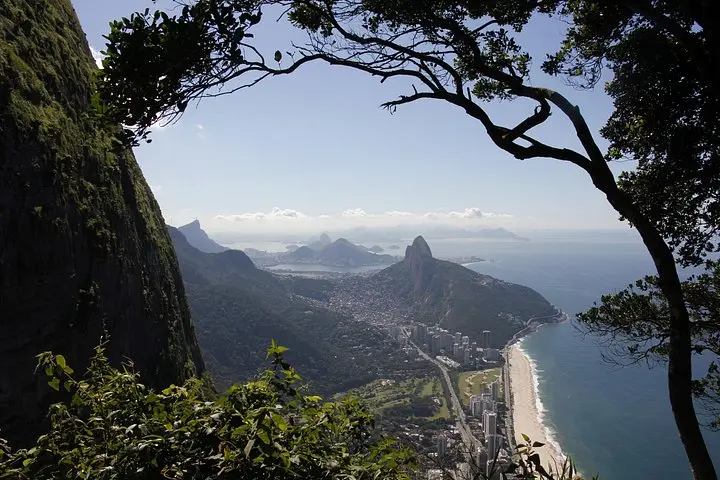
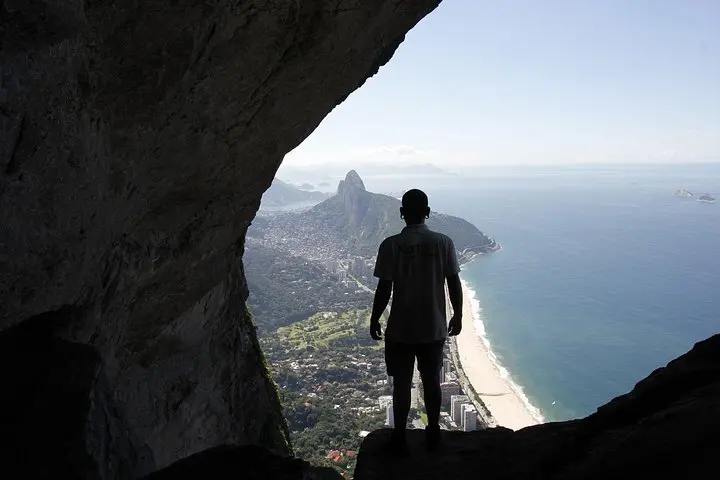
The trail opens with the Atlantic Forest pressing close: humid air, a chorus of birds, and a narrow path that climbs sharply toward a seam in the rock. Hikers move through a layered canopy until the trail spits them out at Garganta do Céu, a cave-like notch on Pedra da Gávea’s southern face that frames São Conrado and Dois Irmãos in an unusual, cinematic angle.
The trail opens with the Atlantic Forest pressing close: humid air, a chorus of birds, and a narrow path that climbs sharply toward a seam in the rock. Hikers move through a layered canopy until the trail spits them out at Garganta do Céu, a cave-like notch on Pedra da Gávea’s southern face that frames São Conrado and Dois Irmãos in an unusual, cinematic angle.
Geologically, Pedra da Gávea is a granite monolith carved by erosion and joints; its steep south face creates dramatic viewpoints and requires firm footing. The massif sits inside Tijuca National Park, one of the world’s largest urban forests, reclaimed and replanted in the 19th century during Rio’s reforestation efforts. Cultural lore follows the rock—stories of an ancient face and maritime inscriptions—but the real draw is the raw interplay of city, ocean, and forest.
Expect steep, technical walking rather than a casual stroll: sections are short but intense, with route-finding through dense vegetation and rock steps that reward you with sweeping panoramas. The operator provides a guide and basic equipment; a mandatory backpack and steady pace make this an attainable yet demanding half-day to full-day outing.
Plan for heat, sudden showers, and slippery granite after rain. Carry 2–3 liters of water, sun protection, and layered clothing; start early to avoid afternoon mugginess and crowds. Wildlife—marmosets and resident birds—may appear along the way, and etiquette matters: stay on trail, pack out waste, and give wildlife space. For fit hikers who seek a dramatic, less-traveled viewpoint of Rio, Garganta do Céu delivers a compact, memorable climb.