THE ADVENTURE COLLECTIVE® · Independent discovery and booking for outdoor travel

Walk the broad plazas beneath one of the world's tallest statues and time your visit around hourly Balinese performances. This practical guide covers what to expect at GWK—terrain, schedules, and tips to make the most of a 2–3 hour visit.
Walk the broad plazas beneath one of the world's tallest statues and time your visit around hourly Balinese performances. This practical guide covers what to expect at GWK—terrain, schedules, and tips to make the most of a 2–3 hour visit.
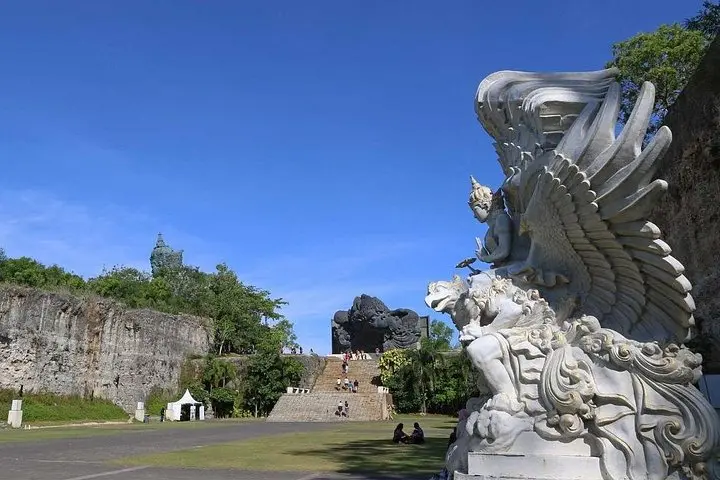
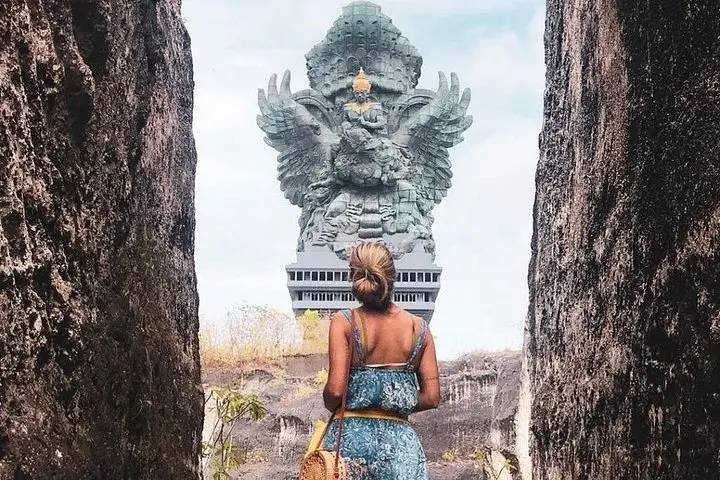
Along a windswept ridge on Bali’s southern Bukit Peninsula, the Garuda Wisnu Kencana statue looms—copper skin catching sun, wings spread like a city's watchful promise. Visitors climb broad steps and plazas, passing carved reliefs and amphitheater banners, the scent of incense and grilling satay in the air.
Verified experiences and guided adventures in the surrounding area.
Operated by GlobalTix Pte Ltd · Ungasan, Bali
Along a windswept ridge on Bali’s southern Bukit Peninsula, the Garuda Wisnu Kencana statue looms—copper skin catching sun, wings spread like a city's watchful promise. Visitors climb broad steps and plazas, passing carved reliefs and amphitheater banners, the scent of incense and grilling satay in the air.
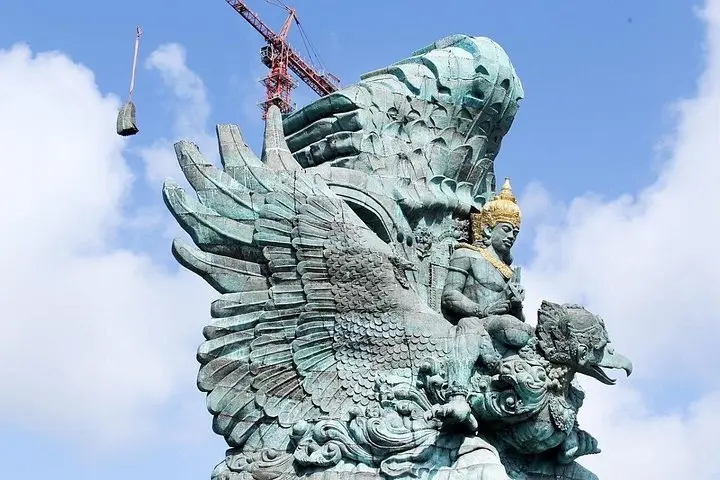
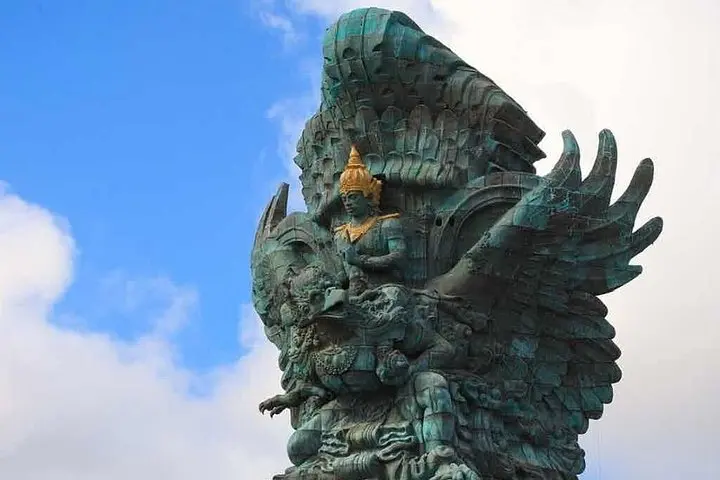
The park occupies roughly 60 hectares of limestone hills cut into uplifted coral and volcanic ash; its centerpiece, designed by Nyoman Nuarta, combines copper, brass and steel to form a 120.9‑meter figure of Vishnu astride Garuda. The complex stages hourly Balinese dances, short cinematic presentations and folklore displays in an amphitheater that has become a focal point for contemporary cultural programming since the park expanded in the late 20th century.
Expect paved promenades, panoramic views over Jimbaran Bay and the Indian Ocean, and shaded plazas that temper midday heat. The terrain is low elevation but exposed; a steady walk and light stair climbing are part of the visit. Photography opportunities are strongest at golden hour when the statue silhouettes against the sea.
Practicalities: arrive early to avoid crowds and heat, book admission online or at the gate, and check the hourly performance schedule. Wear comfortable closed shoes for walking, bring sun protection and a refillable water bottle, and allow 2–3 hours to explore exhibitions, performances, and viewpoints. Respect temple areas and performance etiquette—no loud conversations during dances—and follow park signage to minimize impact. Local vendors offer drinks and handicrafts near the entrance.
Plan 2–3 hours to see the main statue, watch a performance or two, visit the mini-theater, and take photos from viewpoints.
Yes, regular cultural performances scheduled throughout the day are included with park admission—check the posted timetable for exact times.
Yes—children under 100 cm are often admitted free; however, stairs and crowds mean supervision is recommended.
Taxis, private drivers and scooter rentals are common; some hotels offer transfers and public transport options are limited but available nearby.
GlobalTix Pte Ltd operates guided outdoor trips and adventures with an emphasis on safety, stewardship, and memorable experiences.
Along a windswept ridge on Bali’s southern Bukit Peninsula, the Garuda Wisnu Kencana statue looms—copper skin catching sun, wings spread like a city's watchful promise. Visitors climb broad steps and plazas, passing carved reliefs and amphitheater banners, the scent of incense and grilling satay in the air.
Along a windswept ridge on Bali’s southern Bukit Peninsula, the Garuda Wisnu Kencana statue looms—copper skin catching sun, wings spread like a city's watchful promise. Visitors climb broad steps and plazas, passing carved reliefs and amphitheater banners, the scent of incense and grilling satay in the air.
The park occupies roughly 60 hectares of limestone hills cut into uplifted coral and volcanic ash; its centerpiece, designed by Nyoman Nuarta, combines copper, brass and steel to form a 120.9‑meter figure of Vishnu astride Garuda. The complex stages hourly Balinese dances, short cinematic presentations and folklore displays in an amphitheater that has become a focal point for contemporary cultural programming since the park expanded in the late 20th century.
Expect paved promenades, panoramic views over Jimbaran Bay and the Indian Ocean, and shaded plazas that temper midday heat. The terrain is low elevation but exposed; a steady walk and light stair climbing are part of the visit. Photography opportunities are strongest at golden hour when the statue silhouettes against the sea.
Practicalities: arrive early to avoid crowds and heat, book admission online or at the gate, and check the hourly performance schedule. Wear comfortable closed shoes for walking, bring sun protection and a refillable water bottle, and allow 2–3 hours to explore exhibitions, performances, and viewpoints. Respect temple areas and performance etiquette—no loud conversations during dances—and follow park signage to minimize impact. Local vendors offer drinks and handicrafts near the entrance.