THE ADVENTURE COLLECTIVE® · Independent discovery and booking for outdoor travel

Walk 3 km through Inverness with GPS-triggered commentary that unpacks Jacobite tales, Victorian architecture and local quirks. The one-hour, wheelchair-accessible audio tour runs offline via the VoiceMap app, letting you set your own pace.
Walk 3 km through Inverness with GPS-triggered commentary that unpacks Jacobite tales, Victorian architecture and local quirks. The one-hour, wheelchair-accessible audio tour runs offline via the VoiceMap app, letting you set your own pace.
A cool breeze from the River Ness pushes across cobbles as the first narration cues up and the town opens like a map underfoot. The audio tour escorts walkers along roughly 3 km of easy pavements, past red sandstone facades, an 1830s castellated court, and the narrow alleys where clan stories and modern life collide.
Verified experiences and guided adventures in the surrounding area.
Operated by VoiceMap Audio Tours · Inverness, Scotland
A cool breeze from the River Ness pushes across cobbles as the first narration cues up and the town opens like a map underfoot. The audio tour escorts walkers along roughly 3 km of easy pavements, past red sandstone facades, an 1830s castellated court, and the narrow alleys where clan stories and modern life collide.
Inverness grew from medieval roots into the administrative centre of the Highlands; its streets contain echoes of Jacobite gatherings, Victorian civic pride, and the softer history of Scottish Gaelic culture. Geologically, the town sits where low-lying floodplain meets the granite edges of the Highlands, and the river's flow has shaped bridges, quays and the Ness Islands. Cultural highlights on this route include Abertarff House (a 1593 Fraser townhouse), the truncated towers of Inverness Cathedral (completed 1869), Eden Court’s arts rooms in a former bishop’s house, the 19th-century Inverness Castle and the Flora MacDonald statue that references Jacobite escape lore.
Practically, the route is flat and accessible—VoiceMap’s GPS-triggered audio runs offline once downloaded. Expect urban surfaces, short curb crossings and the occasional wet pavement after rain; the recorded tour runs about 60 minutes without stops but plan extra time to linger at viewpoints or the riverside. Bring charged phone power, wired or Bluetooth headphones, waterproof layers for sudden Highland showers, and respect local signage and private property. Start near the river to let the app cue locations automatically and pick a daylight window to read the plaques and step up to the castle viewing platform afterwards.
The recorded route covers about 3 km and the audio runs roughly 60 minutes without stops; you can pause and resume at any time.
No—download the VoiceMap tour for offline playback and mapping before you start to avoid using mobile data.
Yes. The walking route follows paved streets and paths and is marked as wheelchair accessible, though some historic spots may have steps.
The app lets you replay sections manually and most narrations include nearby visual cues so you can find the correct location and continue.
VoiceMap Audio Tours operates guided outdoor trips and adventures with an emphasis on safety, stewardship, and memorable experiences.
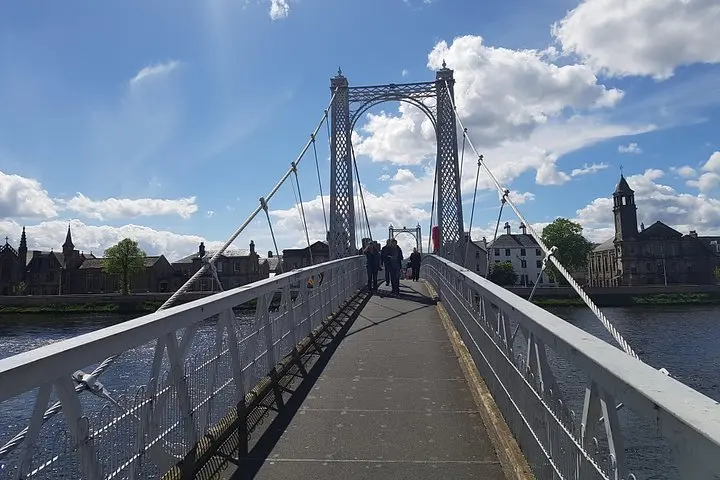
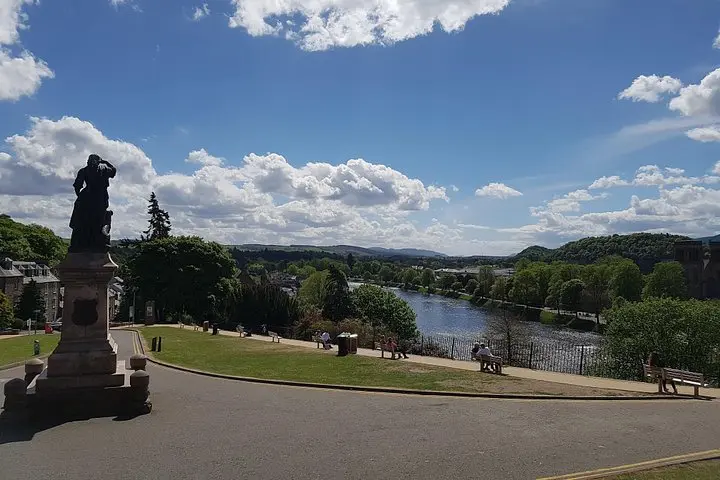
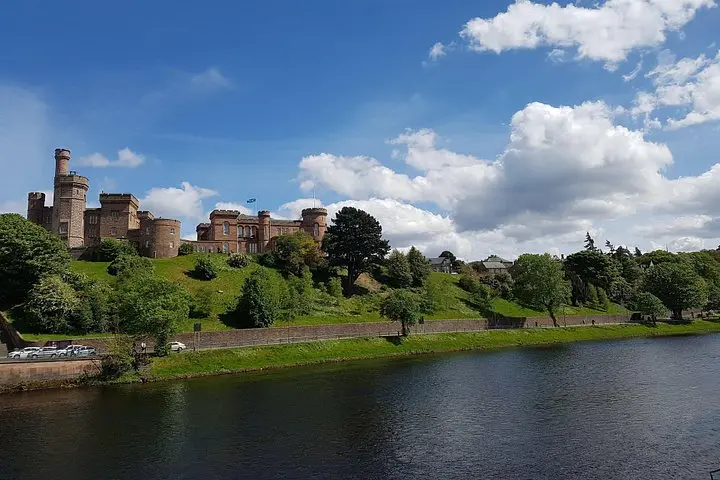
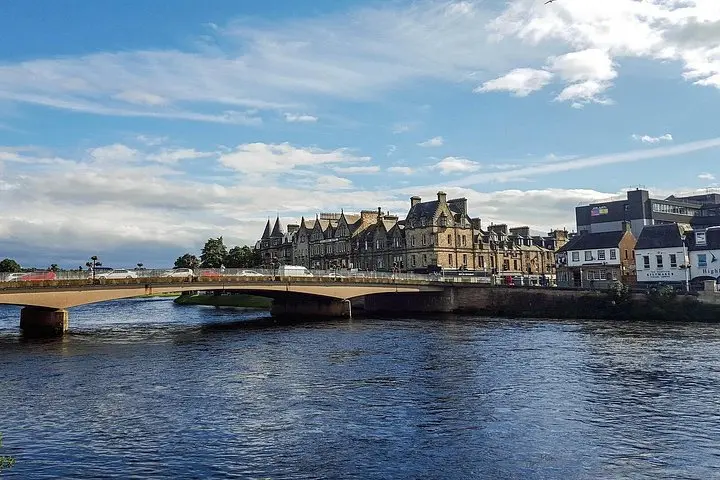
A cool breeze from the River Ness pushes across cobbles as the first narration cues up and the town opens like a map underfoot. The audio tour escorts walkers along roughly 3 km of easy pavements, past red sandstone facades, an 1830s castellated court, and the narrow alleys where clan stories and modern life collide.
A cool breeze from the River Ness pushes across cobbles as the first narration cues up and the town opens like a map underfoot. The audio tour escorts walkers along roughly 3 km of easy pavements, past red sandstone facades, an 1830s castellated court, and the narrow alleys where clan stories and modern life collide.
Inverness grew from medieval roots into the administrative centre of the Highlands; its streets contain echoes of Jacobite gatherings, Victorian civic pride, and the softer history of Scottish Gaelic culture. Geologically, the town sits where low-lying floodplain meets the granite edges of the Highlands, and the river's flow has shaped bridges, quays and the Ness Islands. Cultural highlights on this route include Abertarff House (a 1593 Fraser townhouse), the truncated towers of Inverness Cathedral (completed 1869), Eden Court’s arts rooms in a former bishop’s house, the 19th-century Inverness Castle and the Flora MacDonald statue that references Jacobite escape lore.
Practically, the route is flat and accessible—VoiceMap’s GPS-triggered audio runs offline once downloaded. Expect urban surfaces, short curb crossings and the occasional wet pavement after rain; the recorded tour runs about 60 minutes without stops but plan extra time to linger at viewpoints or the riverside. Bring charged phone power, wired or Bluetooth headphones, waterproof layers for sudden Highland showers, and respect local signage and private property. Start near the river to let the app cue locations automatically and pick a daylight window to read the plaques and step up to the castle viewing platform afterwards.