THE ADVENTURE COLLECTIVE® · Independent discovery and booking for outdoor travel

Cut the travel time with Gatimaan Express and spend a private day among Agra’s great monuments. This guided, train‑based itinerary pairs the Taj Mahal, Agra Fort and the Baby Taj with local insights and practical tips for a long but accessible day trip from Delhi.
Cut the travel time with Gatimaan Express and spend a private day among Agra’s great monuments. This guided, train‑based itinerary pairs the Taj Mahal, Agra Fort and the Baby Taj with local insights and practical tips for a long but accessible day trip from Delhi.
The platform hums at first light as the Gatimaan Express eases out of Delhi; the plains of Uttar Pradesh unfurl like a long, dry riverbed and suddenly the white marble of the Taj Mahal appears, catching the morning light.
Verified experiences and guided adventures in the surrounding area.
Operated by Indian Heritage Journey · Agra, Uttar Pradesh
The platform hums at first light as the Gatimaan Express eases out of Delhi; the plains of Uttar Pradesh unfurl like a long, dry riverbed and suddenly the white marble of the Taj Mahal appears, catching the morning light.
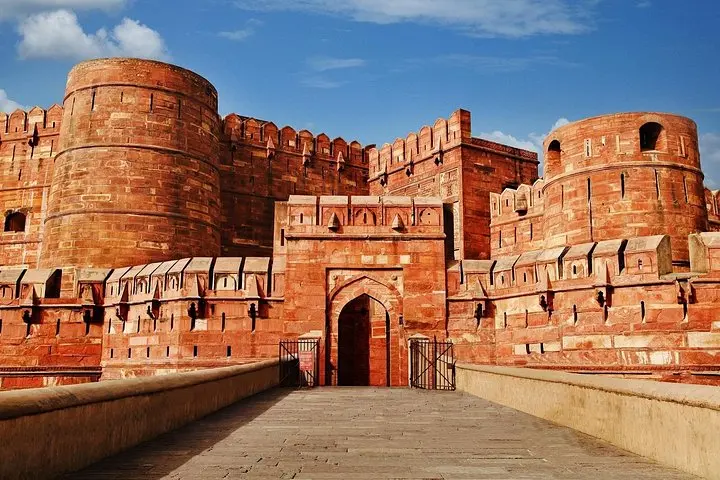
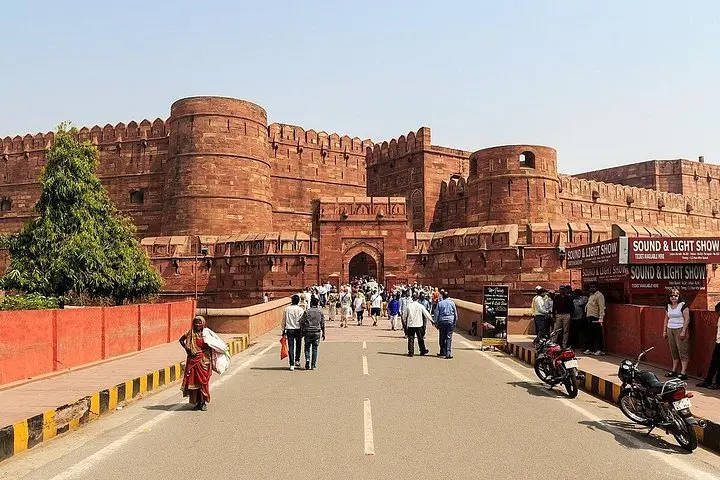
This private day trip pairs a swift 90‑minute train ride with curated time at Agra’s crown jewels: the Taj Mahal, the sprawling red-sandstone Agra Fort, and the delicate Itmad‑ud‑Daulah (the “Baby Taj”). The Taj, built by Shah Jahan in the mid‑17th century, sits on the Yamuna’s bank where the river’s slow current frames the mausoleum’s reflection; Agra Fort predates it, reconstructed by Akbar in the 16th century as a fortified royal city with commanding views across the floodplain.
Culturally, Agra is layered—Mughal architecture, Sufi influences, and a vibrant craft tradition in marble inlay and leatherwork. Geologically the site sits on alluvial plains, so expect flat walks, dust, and seasonal river levels that change the perspectives from Mehtab Bagh across the Yamuna.
Practical guidance: the tour is long (12–14 hours) but low in technical demand—plan for several kilometers of walking on paved paths and stepped interiors. Bring a hat, sunscreen, comfortable shoes, and a small daypack; the mausoleum has security and may require shoe covers or removal. Fridays the Taj is closed; entrance fees are usually paid on arrival unless specified. Passport details are required for train reservations—carry originals. Aim for the morning train to avoid midday heat and evening crowds, and leave time for photo stops, security lines, and a relaxed lunch in Agra.
Yes—this itinerary provides standard Gatimaan Express chair car train tickets both ways as part of the package; check your booking confirmation for seat details.
Entrance fees are typically not included unless stated—plan to pay on arrival (cash or card accepted at main counters) or confirm with the operator ahead of time.
The Taj is closed on Fridays for congregational prayers; schedule your trip on another day and expect longer queues during peak season.
Children under 10 may be free per operator terms; the day involves walking and steps—those with mobility limits should check accessibility for specific areas and notify the operator in advance.
Indian Heritage Journey operates guided outdoor trips and adventures with an emphasis on safety, stewardship, and memorable experiences.


The platform hums at first light as the Gatimaan Express eases out of Delhi; the plains of Uttar Pradesh unfurl like a long, dry riverbed and suddenly the white marble of the Taj Mahal appears, catching the morning light.
The platform hums at first light as the Gatimaan Express eases out of Delhi; the plains of Uttar Pradesh unfurl like a long, dry riverbed and suddenly the white marble of the Taj Mahal appears, catching the morning light.
This private day trip pairs a swift 90‑minute train ride with curated time at Agra’s crown jewels: the Taj Mahal, the sprawling red-sandstone Agra Fort, and the delicate Itmad‑ud‑Daulah (the “Baby Taj”). The Taj, built by Shah Jahan in the mid‑17th century, sits on the Yamuna’s bank where the river’s slow current frames the mausoleum’s reflection; Agra Fort predates it, reconstructed by Akbar in the 16th century as a fortified royal city with commanding views across the floodplain.
Culturally, Agra is layered—Mughal architecture, Sufi influences, and a vibrant craft tradition in marble inlay and leatherwork. Geologically the site sits on alluvial plains, so expect flat walks, dust, and seasonal river levels that change the perspectives from Mehtab Bagh across the Yamuna.
Practical guidance: the tour is long (12–14 hours) but low in technical demand—plan for several kilometers of walking on paved paths and stepped interiors. Bring a hat, sunscreen, comfortable shoes, and a small daypack; the mausoleum has security and may require shoe covers or removal. Fridays the Taj is closed; entrance fees are usually paid on arrival unless specified. Passport details are required for train reservations—carry originals. Aim for the morning train to avoid midday heat and evening crowds, and leave time for photo stops, security lines, and a relaxed lunch in Agra.