THE ADVENTURE COLLECTIVE® · Independent discovery and booking for outdoor travel

Board a boat at the Chagres River and cross into Gatun Lake for 90 minutes of rainforest shoreline, monkey spotting, and canal-history scenery. This easy wildlife expedition pairs close-up nature viewing with the engineering backdrop of the Panama Canal.
Board a boat at the Chagres River and cross into Gatun Lake for 90 minutes of rainforest shoreline, monkey spotting, and canal-history scenery. This easy wildlife expedition pairs close-up nature viewing with the engineering backdrop of the Panama Canal.
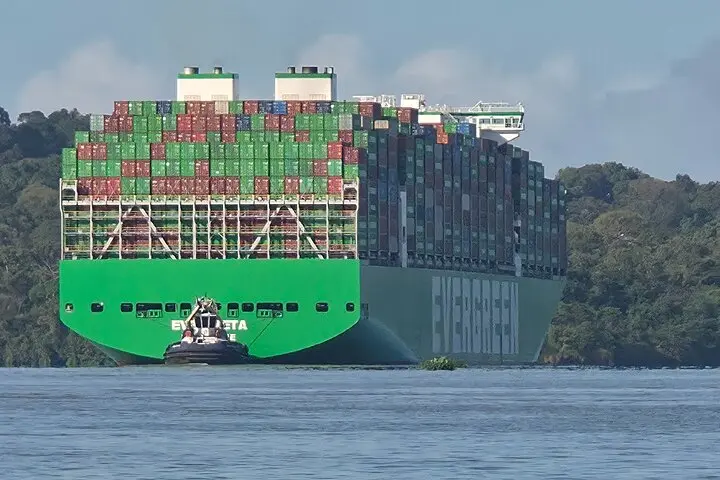
The hum of the outboard drops as the boat slips from the Chagres River into the wide green surface of Gatun Lake — water pushing at the hull like a quiet current of history. Mangrove-fringed shorelines slide past, and the rainforest leans toward the channel, as if watching the passing ships that still thread the Panama Canal beyond the far bank.
Verified experiences and guided adventures in the surrounding area.
Operated by DiscoverPana · Gamboa, Panamá Province
The hum of the outboard drops as the boat slips from the Chagres River into the wide green surface of Gatun Lake — water pushing at the hull like a quiet current of history. Mangrove-fringed shorelines slide past, and the rainforest leans toward the channel, as if watching the passing ships that still thread the Panama Canal beyond the far bank.
Gatun Lake was flooded in 1913 during construction of the Canal, an engineered high-water reservoir 85 feet above sea level that reshaped the region’s hydrology and created long sheltered channels ideal for wildlife. Geology here is subtle: ancient uplands now islands and peninsulas, carved by the dam and reclaimed by tropical growth. Cultural notes arrive in the form of small riverside communities and the legacy of canal-era towns like Gamboa, where modern transit meets century-old infrastructure.
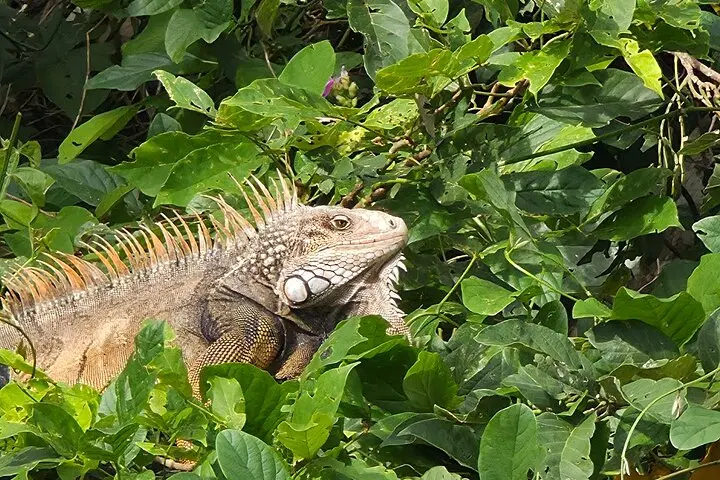
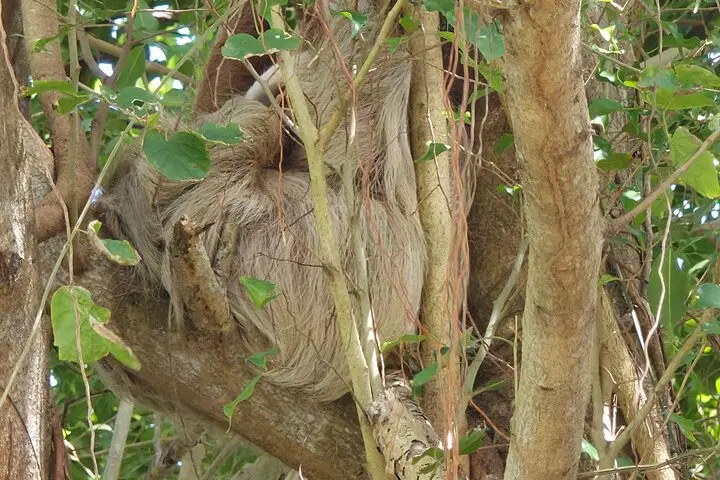
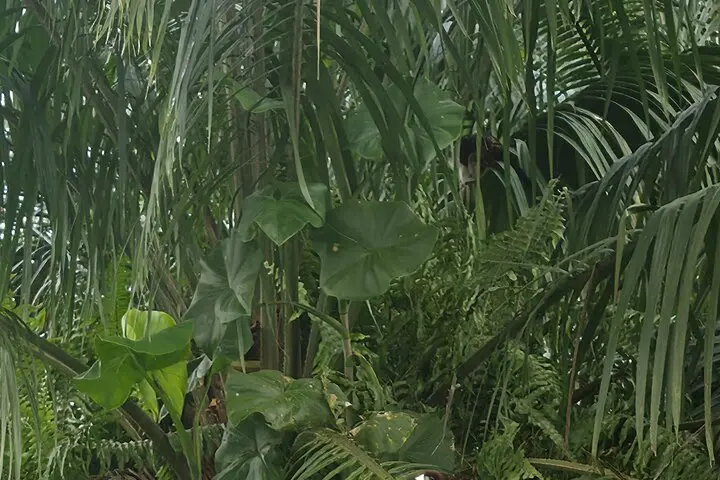
On a typical 90-minute expedition you’ll scan treetops for howler and capuchin monkeys, pick out Jeffrey’s tamarins, and mark iguanas sunning on exposed limbs. Raptors quarter the sky and herons and cranes stalk flooded shallows; sightings are observational only — feeding wildlife is prohibited to protect fragile behavior patterns.
Practical guidance: bring binoculars, insect protection, and a light rain shell — weather can flip quickly during the rainy season. Tours are accessible by car or public transit; many travelers combine the trip with a riverside lunch and a walk toward the Pipeline Road for more birding. Respect boat safety briefings, keep a safe distance from animals, and plan return transit ahead of time if using Metro buses. The expedition is gentle in exertion but rich in natural payoff.
The tour runs about 90 minutes, typically including guided wildlife viewing on Gatun Lake and transit from the Chagres River.
Sightings are common but not guaranteed; guides know productive areas but wildlife is observed in its natural, unfed state.
No — feeding wildlife is prohibited to protect animal health and natural behavior; bring snacks for after the tour if needed.
Many travelers return by Metro bus from the nearby town or arrange private transport; the Moovit app shows local bus and subway options and where to buy/reload cards.
DiscoverPana operates guided outdoor trips and adventures with an emphasis on safety, stewardship, and memorable experiences.
The hum of the outboard drops as the boat slips from the Chagres River into the wide green surface of Gatun Lake — water pushing at the hull like a quiet current of history. Mangrove-fringed shorelines slide past, and the rainforest leans toward the channel, as if watching the passing ships that still thread the Panama Canal beyond the far bank.
The hum of the outboard drops as the boat slips from the Chagres River into the wide green surface of Gatun Lake — water pushing at the hull like a quiet current of history. Mangrove-fringed shorelines slide past, and the rainforest leans toward the channel, as if watching the passing ships that still thread the Panama Canal beyond the far bank.
Gatun Lake was flooded in 1913 during construction of the Canal, an engineered high-water reservoir 85 feet above sea level that reshaped the region’s hydrology and created long sheltered channels ideal for wildlife. Geology here is subtle: ancient uplands now islands and peninsulas, carved by the dam and reclaimed by tropical growth. Cultural notes arrive in the form of small riverside communities and the legacy of canal-era towns like Gamboa, where modern transit meets century-old infrastructure.
On a typical 90-minute expedition you’ll scan treetops for howler and capuchin monkeys, pick out Jeffrey’s tamarins, and mark iguanas sunning on exposed limbs. Raptors quarter the sky and herons and cranes stalk flooded shallows; sightings are observational only — feeding wildlife is prohibited to protect fragile behavior patterns.
Practical guidance: bring binoculars, insect protection, and a light rain shell — weather can flip quickly during the rainy season. Tours are accessible by car or public transit; many travelers combine the trip with a riverside lunch and a walk toward the Pipeline Road for more birding. Respect boat safety briefings, keep a safe distance from animals, and plan return transit ahead of time if using Metro buses. The expedition is gentle in exertion but rich in natural payoff.