THE ADVENTURE COLLECTIVE® · Independent discovery and booking for outdoor travel

Slide out of the cruise terminal and into Gatun Lake, where canal history meets rainforest life. In a few hours you can watch three species of monkeys, spot birds, and see massive ships transit the inland sea that makes the Panama Canal work.
Slide out of the cruise terminal and into Gatun Lake, where canal history meets rainforest life. In a few hours you can watch three species of monkeys, spot birds, and see massive ships transit the inland sea that makes the Panama Canal work.
Sunlight breaks across broad, brown water as your boat slips from Gamboa marina into Gatun Lake, the inland sea that makes the Panama Canal possible.
Verified experiences and guided adventures in the surrounding area.
Operated by Almiza tour by My friend Mario · Panama City, Panama Province
Sunlight breaks across broad, brown water as your boat slips from Gamboa marina into Gatun Lake, the inland sea that makes the Panama Canal possible.
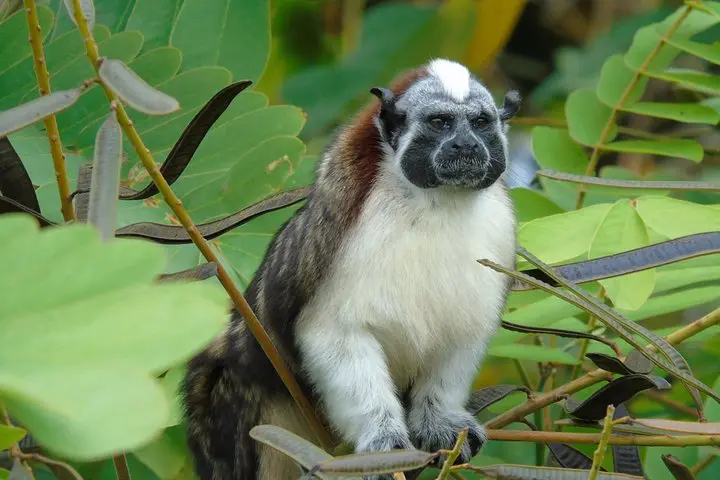
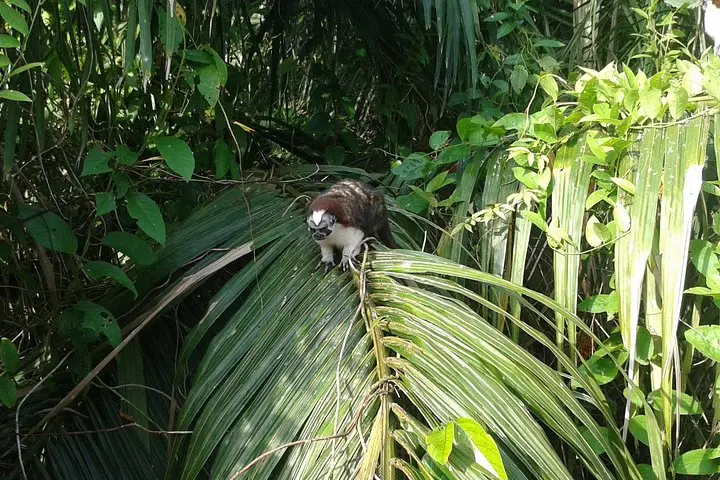
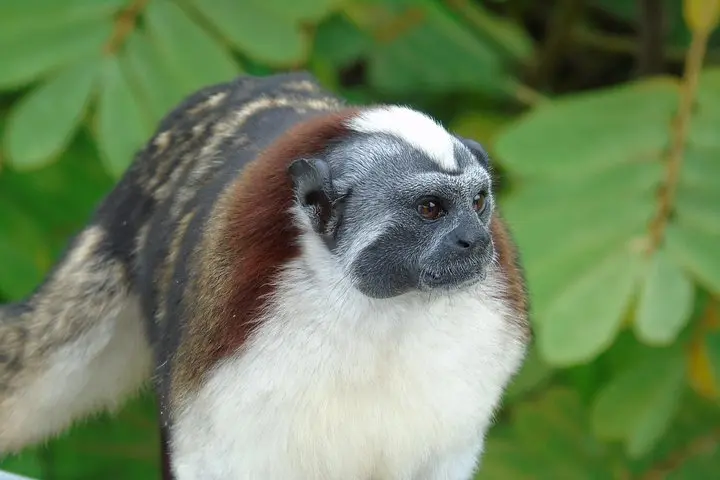
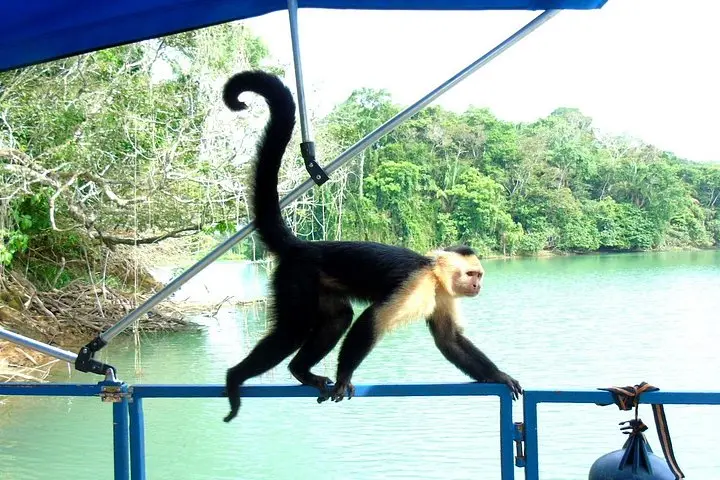
The ride unfolds like a condensed history of modern engineering and tropical life: rustling mangroves give way to islands where howler, tamarin and capuchin monkeys move like punctuation between stands of giant fig and strangler vine. Farther off, container ships loom—mechanical beasts navigating a man-made lake carved from the Chagres River when the canal was built in the early 20th century.
Gatun Lake was created during the U.S. phase of canal construction (completed 1914) when the Chagres was dammed, flooding lowland forest and producing a mosaic of islands that now support rich wildlife and migratory birds.
Culturally, the area around Gamboa retains canal-era settlements and small fishing communities; guides often point out vestiges of old infrastructure and local stories about life shaped by one of the world’s busiest shipping arteries.
On the water you’ll get close looks at primates in their canopy, shorebirds on exposed roots, and the slow, patient movement of a canal ship threading locks. Expect gentle boat motion, repeated stops for wildlife viewing, and commentary from a local guide.
Practical tips: bring a small daypack with water, insect repellent, a sun hat, and binoculars; waterproof your camera. Morning departures improve odds for active wildlife and calmer water. If you’re prone to seasickness, take medication in advance; boarding and disembarking are straightforward but involve short docks and steps.
The tour is short, accessible, and designed for cruise passengers seeking a compact but immersive encounter with Panama’s engineered landscape and wild neighbors.
The excursion runs about 3.5 hours total and includes transfers from the cruise dock to Gamboa marina and back to the cruise terminal.
Guides typically find howler monkeys, tamarins and capuchins, plus a variety of waterbirds; sightings can’t be guaranteed but mornings improve chances.
The tour is rated easy and suitable for most ages, but boarding involves steps and short dock walks—notify the operator of mobility needs ahead of time.
No additional visas are needed beyond those required for your cruise itinerary; bring your cruise ID and any requested booking paperwork for reboarding.
Almiza tour by My friend Mario operates guided outdoor trips and adventures with an emphasis on safety, stewardship, and memorable experiences.
Sunlight breaks across broad, brown water as your boat slips from Gamboa marina into Gatun Lake, the inland sea that makes the Panama Canal possible.
Sunlight breaks across broad, brown water as your boat slips from Gamboa marina into Gatun Lake, the inland sea that makes the Panama Canal possible.
The ride unfolds like a condensed history of modern engineering and tropical life: rustling mangroves give way to islands where howler, tamarin and capuchin monkeys move like punctuation between stands of giant fig and strangler vine. Farther off, container ships loom—mechanical beasts navigating a man-made lake carved from the Chagres River when the canal was built in the early 20th century.
Gatun Lake was created during the U.S. phase of canal construction (completed 1914) when the Chagres was dammed, flooding lowland forest and producing a mosaic of islands that now support rich wildlife and migratory birds.
Culturally, the area around Gamboa retains canal-era settlements and small fishing communities; guides often point out vestiges of old infrastructure and local stories about life shaped by one of the world’s busiest shipping arteries.
On the water you’ll get close looks at primates in their canopy, shorebirds on exposed roots, and the slow, patient movement of a canal ship threading locks. Expect gentle boat motion, repeated stops for wildlife viewing, and commentary from a local guide.
Practical tips: bring a small daypack with water, insect repellent, a sun hat, and binoculars; waterproof your camera. Morning departures improve odds for active wildlife and calmer water. If you’re prone to seasickness, take medication in advance; boarding and disembarking are straightforward but involve short docks and steps.
The tour is short, accessible, and designed for cruise passengers seeking a compact but immersive encounter with Panama’s engineered landscape and wild neighbors.