THE ADVENTURE COLLECTIVE® · Independent discovery and booking for outdoor travel

Walk Gdańsk’s Royal Route from the Golden Gate to the medieval Crane on this private two-hour tour. Experience Hanseatic architecture, St. Mary’s Church, Długi Targ, and the Museum of the Polish Post Office with a local guide.
Walk Gdańsk’s Royal Route from the Golden Gate to the medieval Crane on this private two-hour tour. Experience Hanseatic architecture, St. Mary’s Church, Długi Targ, and the Museum of the Polish Post Office with a local guide.
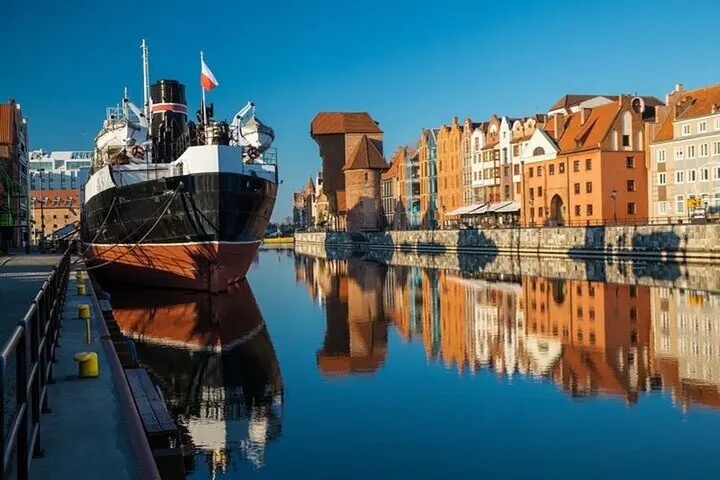
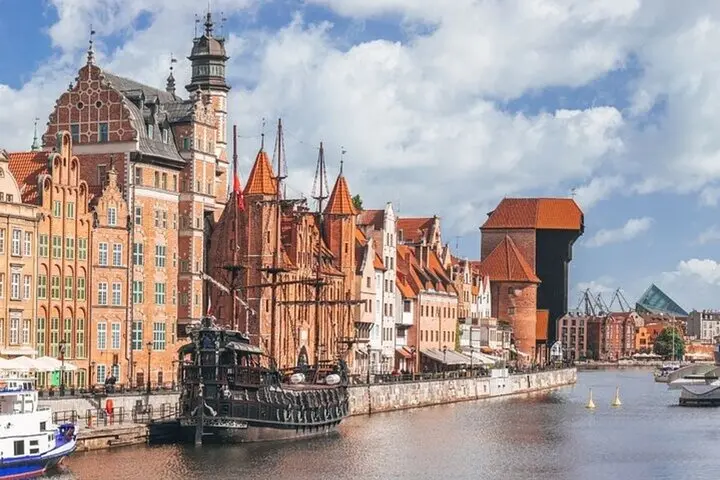
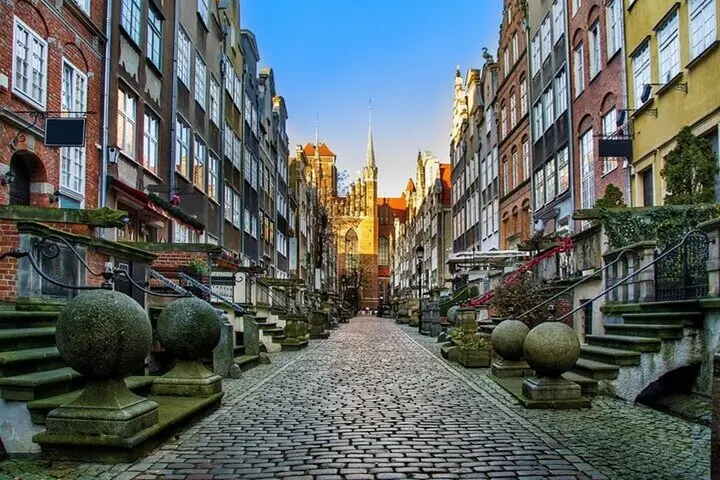
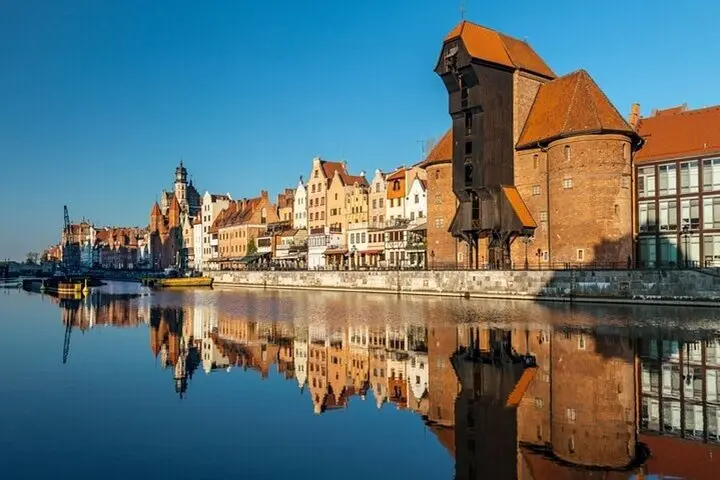
You step beneath the Golden Gate and the city opens like a page of layered history: merchant houses crowd Długa Street, church bells echo from St. Mary’s, and the Motława river glints under the medieval Crane.
Verified experiences and guided adventures in the surrounding area.
Operated by Guydeez · Gdańsk, Pomeranian Voivodeship
You step beneath the Golden Gate and the city opens like a page of layered history: merchant houses crowd Długa Street, church bells echo from St. Mary’s, and the Motława river glints under the medieval Crane.
This two-hour private walking tour threads Gdańsk’s Hanseatic past with 20th-century resilience. The Royal Route (ul. Długa) was once the artery of Baltic trade — brick façades and ornate gables speak to merchant wealth, while the Neptune Fountain announces the city’s maritime identity. St. Mary’s Church shows the scale of Gothic brick architecture; the Polish Post Office museum preserves accounts of the 1939 defense that became part of Gdańsk’s national story.
Geologically, Gdańsk sits on Baltic coastal lowlands shaped by glacial runoff; the Motława estuary defines the waterfront, where the Crane once hoisted cargo from tall ships. Culturally, the city remains an amber and shipbuilding hub, with markets and cafés that keep the Old Town animated.
Practical guidance: expect mostly flat paved streets and short stair sections, roughly 1.5–2 km of walking with frequent stops for explanations and photos. The pace is gentle and accessible; the tour is wheelchair- and stroller-friendly but not all interiors are included. Wear sturdy walking shoes, layer for changing coastal weather, and bring a small bottle of water. If you want museum entry, book tickets ahead — the guide can help arrange them. Morning or late-afternoon walks avoid peak crowds and warm midday sun.
This is a compact, interpretive introduction to Gdańsk’s architecture, port heritage, and wartime memory — ideal for first-time visitors who want context and direction from a local guide.
Yes—streets in the Old Town are generally wheelchair- and stroller-friendly, though some historic interiors and small thresholds may be difficult; advise your guide of needs in advance.
The standard tour focuses on exterior highlights; your guide can help arrange tickets and timings for interior visits if requested before the tour.
The tour typically begins at the Golden Gate and concludes near the medieval Crane on the Motława waterfront, close to the Museum of the Polish Post Office.
This listing is a private, exclusive tour for your party only; guides tailor commentary and pace to your interests and accessibility needs.
Guydeez operates guided outdoor trips and adventures with an emphasis on safety, stewardship, and memorable experiences.
You step beneath the Golden Gate and the city opens like a page of layered history: merchant houses crowd Długa Street, church bells echo from St. Mary’s, and the Motława river glints under the medieval Crane.
You step beneath the Golden Gate and the city opens like a page of layered history: merchant houses crowd Długa Street, church bells echo from St. Mary’s, and the Motława river glints under the medieval Crane.
This two-hour private walking tour threads Gdańsk’s Hanseatic past with 20th-century resilience. The Royal Route (ul. Długa) was once the artery of Baltic trade — brick façades and ornate gables speak to merchant wealth, while the Neptune Fountain announces the city’s maritime identity. St. Mary’s Church shows the scale of Gothic brick architecture; the Polish Post Office museum preserves accounts of the 1939 defense that became part of Gdańsk’s national story.
Geologically, Gdańsk sits on Baltic coastal lowlands shaped by glacial runoff; the Motława estuary defines the waterfront, where the Crane once hoisted cargo from tall ships. Culturally, the city remains an amber and shipbuilding hub, with markets and cafés that keep the Old Town animated.
Practical guidance: expect mostly flat paved streets and short stair sections, roughly 1.5–2 km of walking with frequent stops for explanations and photos. The pace is gentle and accessible; the tour is wheelchair- and stroller-friendly but not all interiors are included. Wear sturdy walking shoes, layer for changing coastal weather, and bring a small bottle of water. If you want museum entry, book tickets ahead — the guide can help arrange them. Morning or late-afternoon walks avoid peak crowds and warm midday sun.
This is a compact, interpretive introduction to Gdańsk’s architecture, port heritage, and wartime memory — ideal for first-time visitors who want context and direction from a local guide.