THE ADVENTURE COLLECTIVE® · Independent discovery and booking for outdoor travel

Walk Genoa’s historic spine from Piazza de Ferrari to Casa di Colombo on a guided two-hour route that highlights medieval gates, grand palaces and seaside-born history. Expect cobbles, short climbs and a guide who ties the city’s maritime past to its present-day flavors.
Walk Genoa’s historic spine from Piazza de Ferrari to Casa di Colombo on a guided two-hour route that highlights medieval gates, grand palaces and seaside-born history. Expect cobbles, short climbs and a guide who ties the city’s maritime past to its present-day flavors.
A bronze fountain throws a cool mist over Piazza de Ferrari as the group gathers; stone steps, narrow calle and sudden light between buildings frame the route ahead. The guide steers along centuries-old streets, pointing out carved coats of arms, medallions worn smooth by generations of hands and shopfronts that still trade in salt and sea goods.
Verified experiences and guided adventures in the surrounding area.
Operated by Guydeez · Genoa, Liguria
A bronze fountain throws a cool mist over Piazza de Ferrari as the group gathers; stone steps, narrow calle and sudden light between buildings frame the route ahead. The guide steers along centuries-old streets, pointing out carved coats of arms, medallions worn smooth by generations of hands and shopfronts that still trade in salt and sea goods.
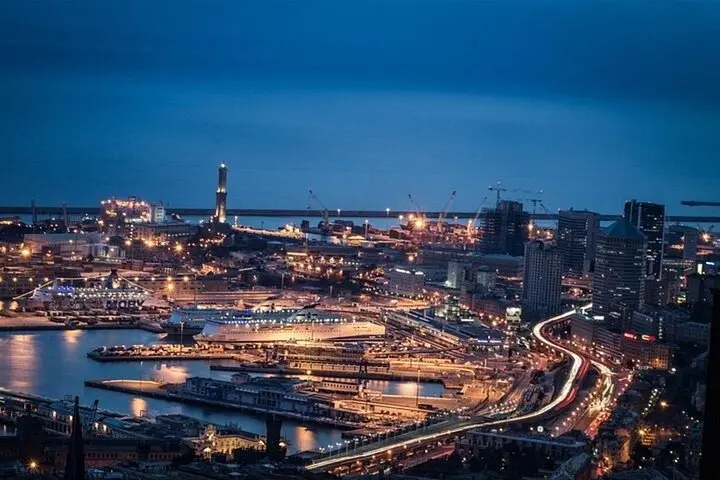
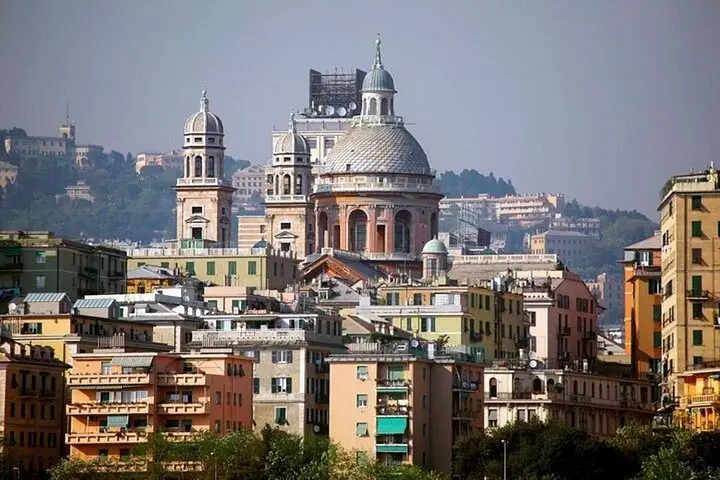
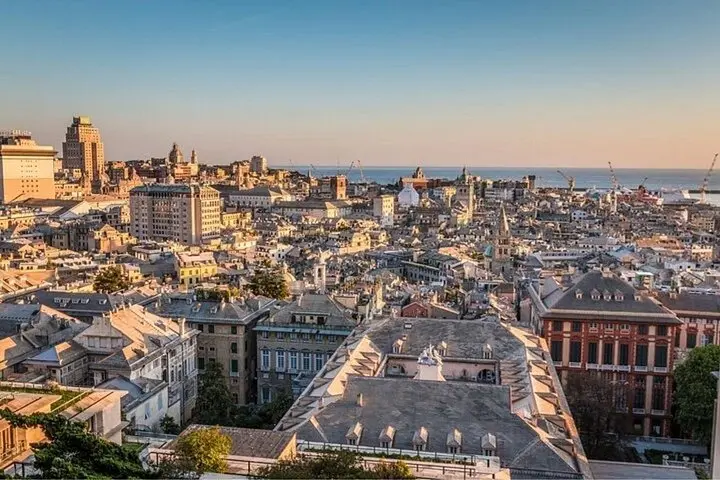
Genoa’s identity was forged on the water: a maritime republic whose wealth built palaces on the Strade Nuove and fortified gates like Porta Soprana. The city sits where the Ligurian Apennines fall toward the Mediterranean, so expect sudden rises, tiled roofs, and alleys that funnel coastal breezes. Cultural threads are visible everywhere — from Columbus’s modest birthplace to the cathedral’s black-and-white marble façade — reminders of trade, faith, and civic rivalry.
This two-hour walking tour covers key sites: Palazzo Ducale, Torri di Porta Soprana, Casa di Colombo, Pozzo di Giano, Piazza San Giorgio, Cattedrale di San Lorenzo and Piazza Banchi. It’s urban walking on paved streets and cobblestones with short elevation changes; the guide provides historical context, local stories and suggestions for cafés or markets to continue exploring.
Practical notes: wear supportive shoes for uneven flagstones, bring a refillable water bottle and a light layer for coastal winds. Morning or late-afternoon departures avoid the hottest midday sun and the liveliest market traffic. Mobile tickets and private or small-group options mean flexible booking, and most stops are viewed externally rather than entering monuments — plan extra time if you want museum access afterward.
No; this walking tour focuses on exterior views and context. If you want to enter museums or palaces, plan extra time and check opening hours and separate ticketing.
The route is listed as wheelchair and stroller accessible, but some historic areas have uneven paving—contact the operator to confirm the exact meeting point and any alternate paths.
Guides are available in English, Spanish, French and Italian; private tours may offer more flexible language options on request.
Full refunds are available if you cancel at least 24 hours before the scheduled departure; mobile tickets are accepted for quick entry.
Guydeez operates guided outdoor trips and adventures with an emphasis on safety, stewardship, and memorable experiences.
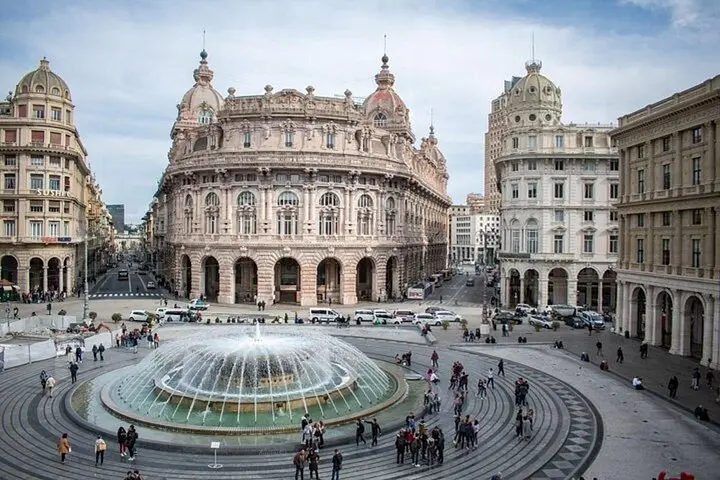
A bronze fountain throws a cool mist over Piazza de Ferrari as the group gathers; stone steps, narrow calle and sudden light between buildings frame the route ahead. The guide steers along centuries-old streets, pointing out carved coats of arms, medallions worn smooth by generations of hands and shopfronts that still trade in salt and sea goods.
A bronze fountain throws a cool mist over Piazza de Ferrari as the group gathers; stone steps, narrow calle and sudden light between buildings frame the route ahead. The guide steers along centuries-old streets, pointing out carved coats of arms, medallions worn smooth by generations of hands and shopfronts that still trade in salt and sea goods.
Genoa’s identity was forged on the water: a maritime republic whose wealth built palaces on the Strade Nuove and fortified gates like Porta Soprana. The city sits where the Ligurian Apennines fall toward the Mediterranean, so expect sudden rises, tiled roofs, and alleys that funnel coastal breezes. Cultural threads are visible everywhere — from Columbus’s modest birthplace to the cathedral’s black-and-white marble façade — reminders of trade, faith, and civic rivalry.
This two-hour walking tour covers key sites: Palazzo Ducale, Torri di Porta Soprana, Casa di Colombo, Pozzo di Giano, Piazza San Giorgio, Cattedrale di San Lorenzo and Piazza Banchi. It’s urban walking on paved streets and cobblestones with short elevation changes; the guide provides historical context, local stories and suggestions for cafés or markets to continue exploring.
Practical notes: wear supportive shoes for uneven flagstones, bring a refillable water bottle and a light layer for coastal winds. Morning or late-afternoon departures avoid the hottest midday sun and the liveliest market traffic. Mobile tickets and private or small-group options mean flexible booking, and most stops are viewed externally rather than entering monuments — plan extra time if you want museum access afterward.